
Choosing the Right Water Pump for Flooded Basements
Sydney Central Pumps • March 5, 2026
Basements are naturally prone to flooding due to their below-ground location and proximity to the water table. When heavy rain strikes Sydney, water can easily find its way into basements even with adequate drainage systems in place. Thankfully, as a property owner or building manager, you can take practical steps to reduce the risk and protect your space from costly damage. Knowing which pump to use can prevent flooding damage and save your property from serious water issues.
What Is the Best Pump for a Flooded Basement?
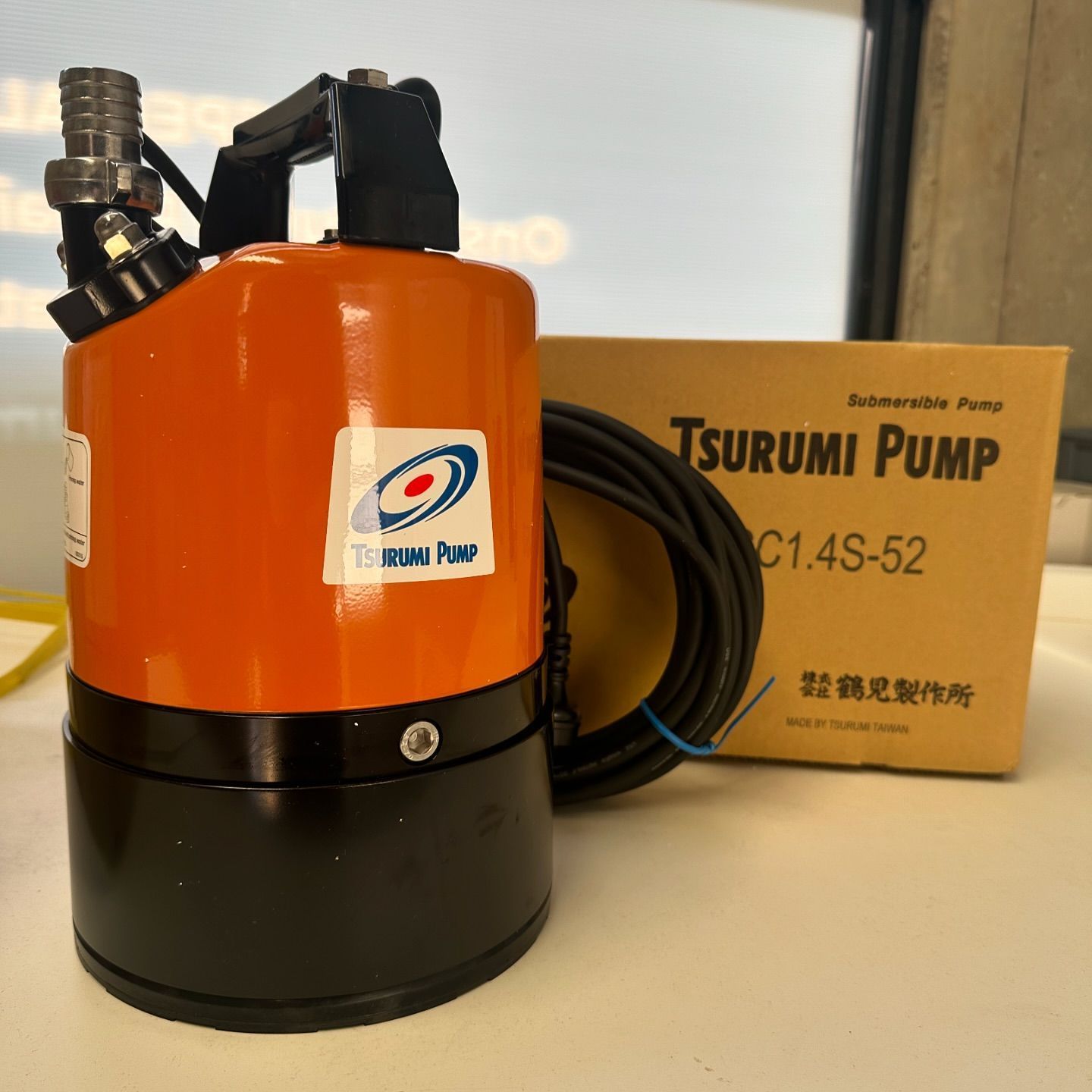
Submersible pumps are the most effective choice for draining flooded areas like basements. They operate underwater, move large volumes efficiently, and don't require priming. For severe flooding where electricity may not be available or when water contains mud and debris, trash pumps or gas-powered options become necessary.
Water Pump Options for Flooded Basements
Submersible Pumps for Deep Water
Submersible pumps can be submerged to depths of eight metres. They're designed to work with dirty or clean water, including contaminated water, and can handle solids up to 35mm in size. The water surrounding the motor helps cool it, preventing overheating during continuous use. Most models come with a universal fitting compatible with multiple pipe sizes submersible pumps typically use.
Puddle Sucker Pumps for Shallow Water
Puddle sucker pumps remove water down to a 2mm depth. This makes them ideal for shallow water accumulation that standard pumps can't reach. They're lightweight, portable, and versatile for flooded areas including basements and emergency flood relief situations.
Utility and Trash Pumps for Debris
If floodwater contains mud, debris, or solid particles, a dirty water pump prevents clogging. Trash pumps handle water containing significant debris. Utility pumps are compact and versatile for minor flooding and can also support home irrigation systems when not needed for emergencies.
Recommended Pump Types by Basement Depth
For shallow flooding under 50mm, use puddle sucker pumps. Standard submersible pumps handle moderate flooding from 50mm to several metres. Deep flooding or situations with heavy debris require trash pumps or high-capacity submersible units.
Flow Rate: Calculating Pump Needs
Flow rate measures how quickly the pump removes water, typically in litres per hour or gallons per minute. Higher flow rates mean you can remove water quickly, reducing potential damage time.
Example Flow Rate Calculation
A basement measuring 5m x 4m with 300mm of water contains 6,000 litres. A pump with 100 litres per minute flow rate takes 60 minutes to remove this water. A 200 litres per minute pump cuts this time to 30 minutes.
Minimum Flow Rates by Basement Size
Small basements (under 30 square metres) need at least 100-150 litres per minute. Medium basements (30-60 square metres) require 150-250 litres per minute. Large basements (over 60 square metres) need 250+ litres per minute.
What Kind of Pump Do I Need to Get Water Out of My Basement?
Your pump choice depends on several factors. Clean water needs standard submersible pumps. Dirty water with debris requires trash pumps or submersible pumps rated for solids. Check the head pressure, which is the maximum vertical distance the pump must lift water. If your basement sits 2.5 metres below ground level, you need a pump with at least 4-5 metres of maximum head lift.
Electric pumps suit most situations. Gas-powered pumps work better for large-scale flooding or power outages.
Key Features to Check in a Water Pump
Submersion Depth Rating
Verify the pump can handle your basement's water depth. Most submersible pumps work up to eight metres.
Maximum Solid Passage Size
A 35mm solid passage handles most basement flooding scenarios with debris.
Float Switch or Automatic Control
The float switch holder allows manual control and automatically switches off at low water levels. Automatic shut-off prevents the pump from running dry and burning out.
Power Source and Backup Options
Electric pumps (230–240V) are standard for most homes in Australia. A battery backup is important during power outages, as severe storms can cause pumps to stop working when they are needed most.
Portability
Lightweight pumps with handles are easier to transport and deploy quickly during emergencies.
How to Pump Water from a Flooded Basement?
Safety First: Turn off power to your home before entering a flooded basement to avoid electrocution.
Position the Pump: Place the pump at the lowest point in your basement where water naturally collects.
Attach Discharge Hose: Connect the discharge hose and direct it away from your foundation. Water should drain at least 1.8 metres from the building to prevent it running back into the basement.
Secure Electrical Connections: Connect the pump to a power source with GFCI protection. Keep all electrical connections safe and dry.
Perform a Test Run: Start the pump and monitor its operation. Check for proper water flow and watch for unusual sounds or vibrations.
What to Do If Your Basement Is Flooded with Water?
Act quickly but safely. First, turn off electrical power to prevent electrocution. Don't enter standing water if power is still on. Document the flooding with photos for insurance purposes. Contact professional pump services if the flooding is severe or you're unsure about safety. Deploy your pump following proper installation procedures. Once water is removed, dry the area thoroughly to prevent mould growth.
Maintenance and Troubleshooting
Clean the inlet and impeller after each use to prevent debris buildup. Inspect the power cord and plug regularly for damage. Test the automatic float switch monthly to verify it works properly. Regular maintenance keeps water pumps in good working condition and improves effective performance.
Backup Power and Emergency Use
Battery backup units keep pumps working uring storms when electricity fails. Generator integration provides another option for extended power outages. Prepare an emergency deployment checklist including pump location, hose routing, and safety checks.
How to Buy: Practical Tips for Flooded Basement Pumps
Compare the flow rate to your basement volume for adequate capacity. Look for pumps made from corrosion-resistant materials like stainless steel or cast iron for longevity. Verify local outlet compatibility and plug type before purchasing. Read warranty terms, returns policy, and service coverage carefully.
If you're unsure which pump suits your basement or need help assessing your specific flooding situation, the team at Sydney Central Pumps can guide you through the selection process and recommend the right solution for your property.
Trust SC Pumps for Your Basement Flooding Solutions
When basement flooding strikes, you need reliable pump solutions fast. Sydney Central Pumps provides comprehensive submersible pump sales, installation, and maintenance across Sydney. Our team has over 15 years of experience with sump pumps, dewatering pumps, and more.
We stock major brands and can offer expert advice on selecting the right pump for your situation. We can even design a system that perfectly fits your needs. We are also available to respond to your emergency pump repair needs. So whether you need a new pump installed or urgent repairs, you can count on us for help.
Contact SC Pumps at 1300 558 059 or send an enquiry through our website for professional Sydney pump services you can trust. We work with strata companies, building managers, and property owners throughout Sydney, from Manly to Sutherland.
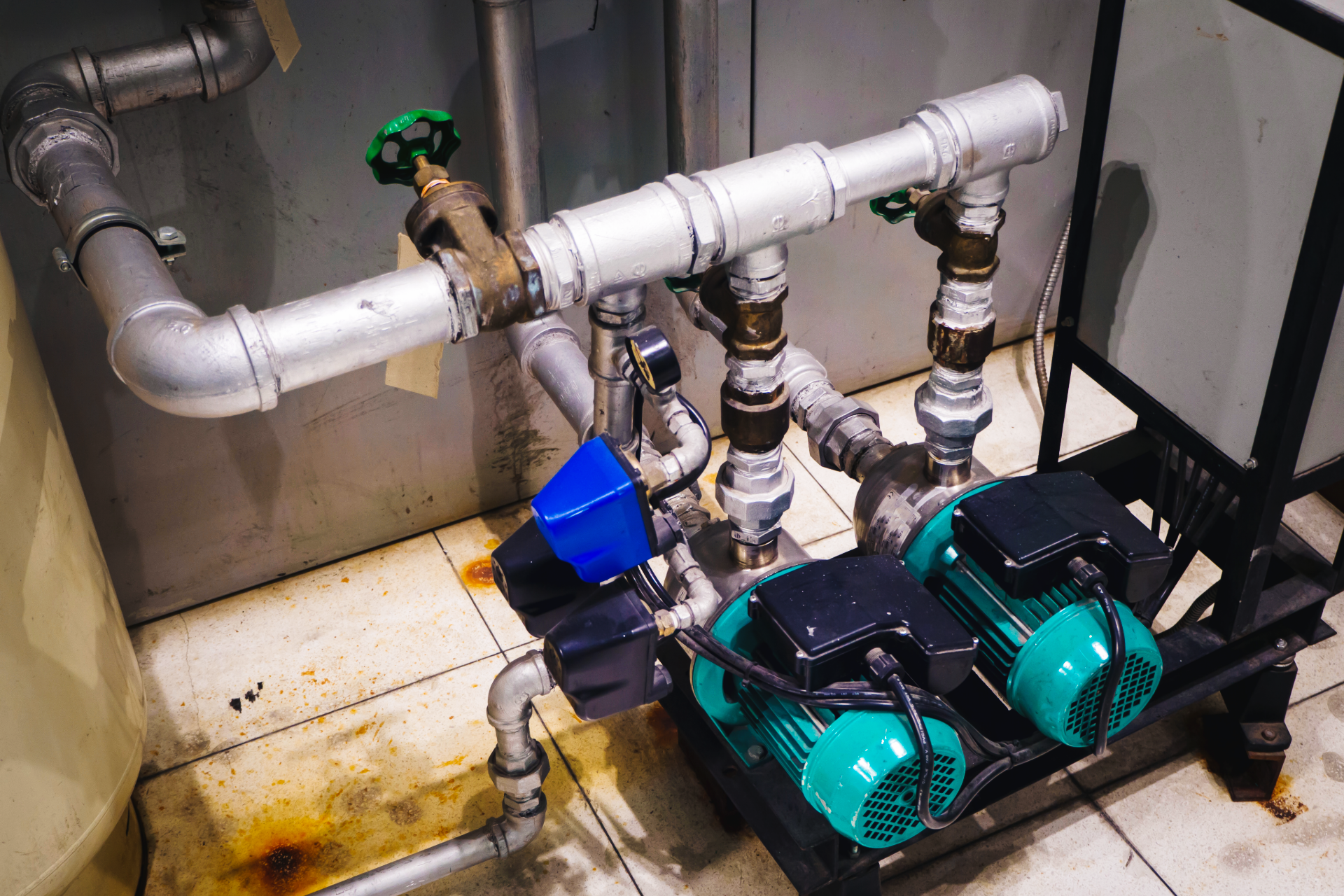
There's no single best water pump. It depends on the building. SC Pumps covers the key types, brands and sizing factors for Sydney strata and commercial sites.
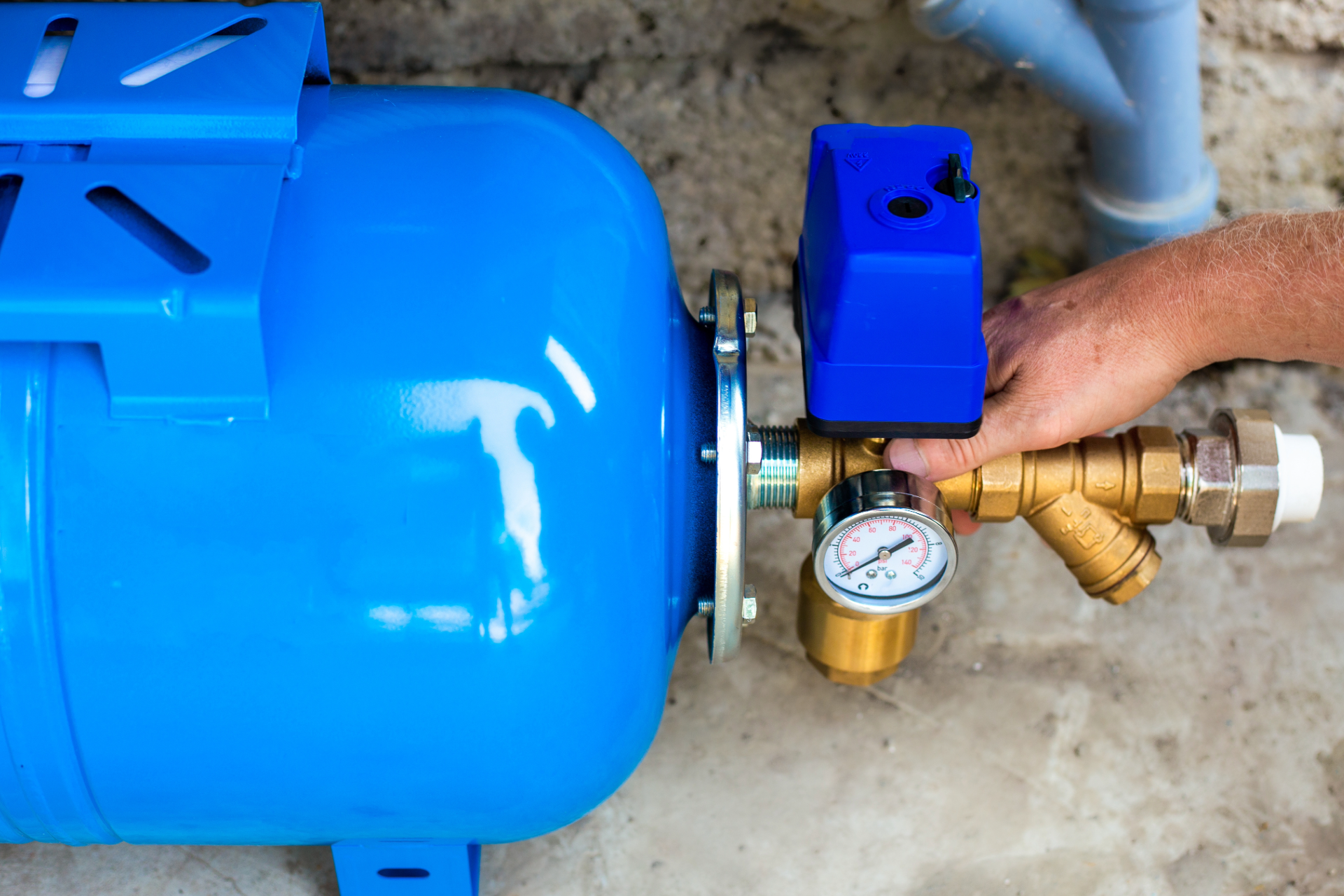
Booster, submersible, circulation, stormwater — different pumps do very different jobs. SC Pumps breaks down the functions & how to match the right type to the job.
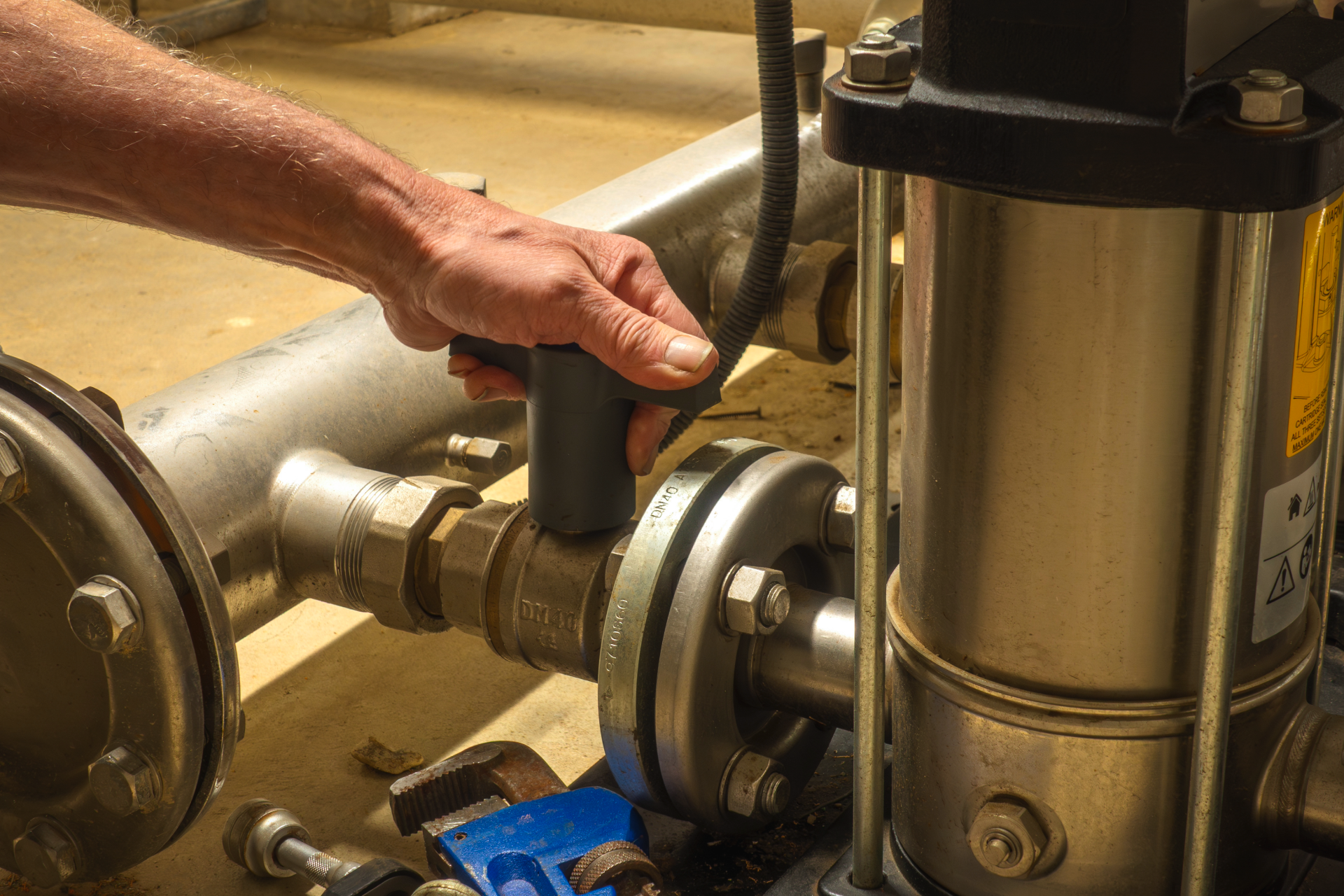
Ground floor gets great pressure. Level fourteen doesn't. SC Pumps explains how to size, back up and maintain water supply pumps that hold up on every floor.