
Rainwater Tank Pump Setup: Key Considerations for Reliable Water Supply Systems
Sydney Central Pumps • July 2, 2026
Rainwater harvesting is no longer just a suburban backyard setup. Commercial buildings, strata complexes, and industrial facilities across Sydney are increasingly using stored rainwater for irrigation, toilet flushing, cooling systems, and general washdown.
But collecting rainwater is only half the equation. The pump is what makes the stored water usable. Choosing the right water pumps is essential to a successful rainwater tank pump setup. Without the right pump, correctly sized and properly installed, the system either underperforms or fails prematurely. This guide covers the key considerations for getting it right from day one.
What Is a Rainwater Tank Pump System?
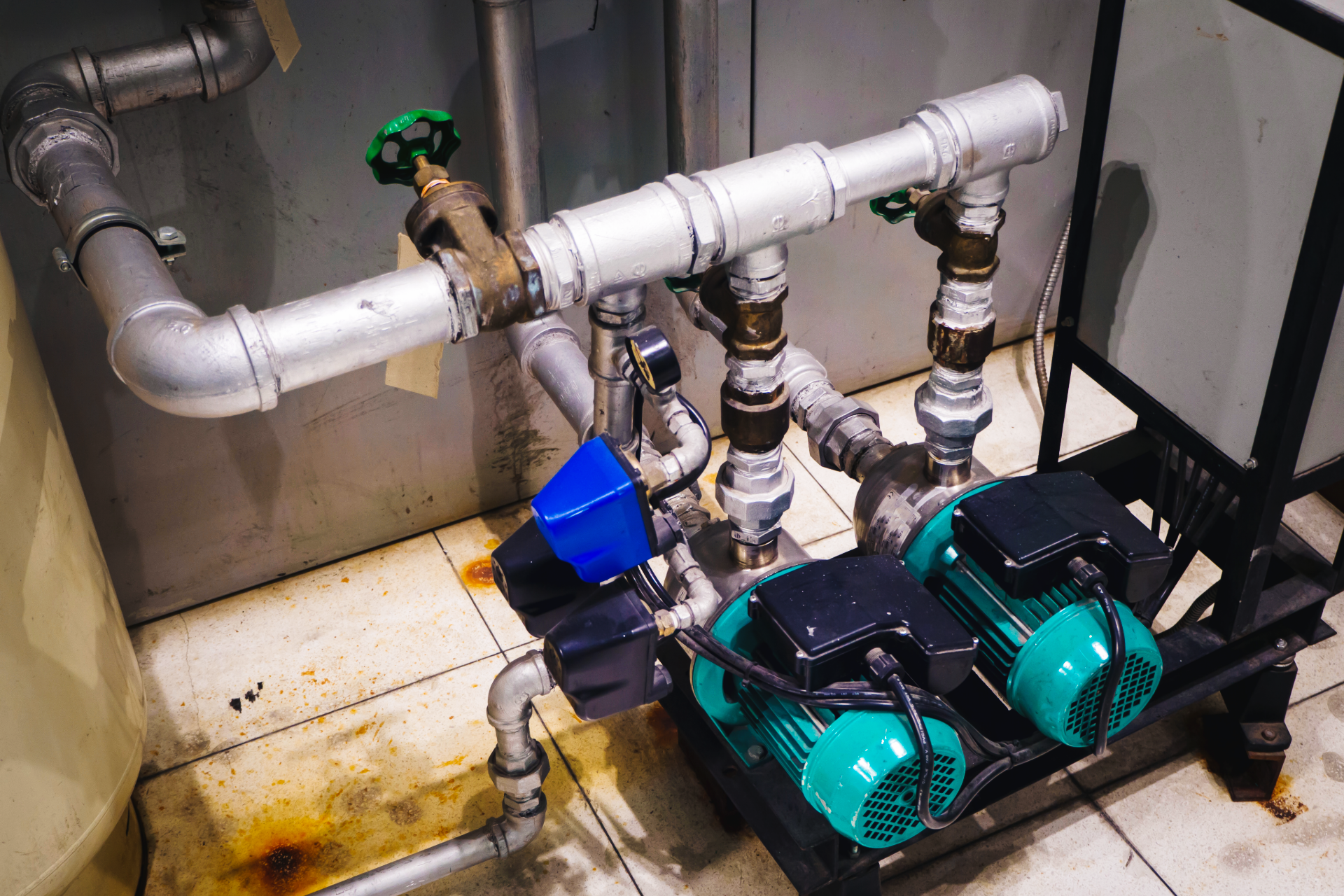
A rainwater tank pump system uses water pumps to move stored tank water from the rainwater tank to the points of use throughout the building or property. The water tank connects to a pump, pipework, filtration, a pressure controller, and in most commercial installations, a mains water backup. The water source is the tank itself, and the pump's job is to supply water at the right pressure to every outlet in the system.
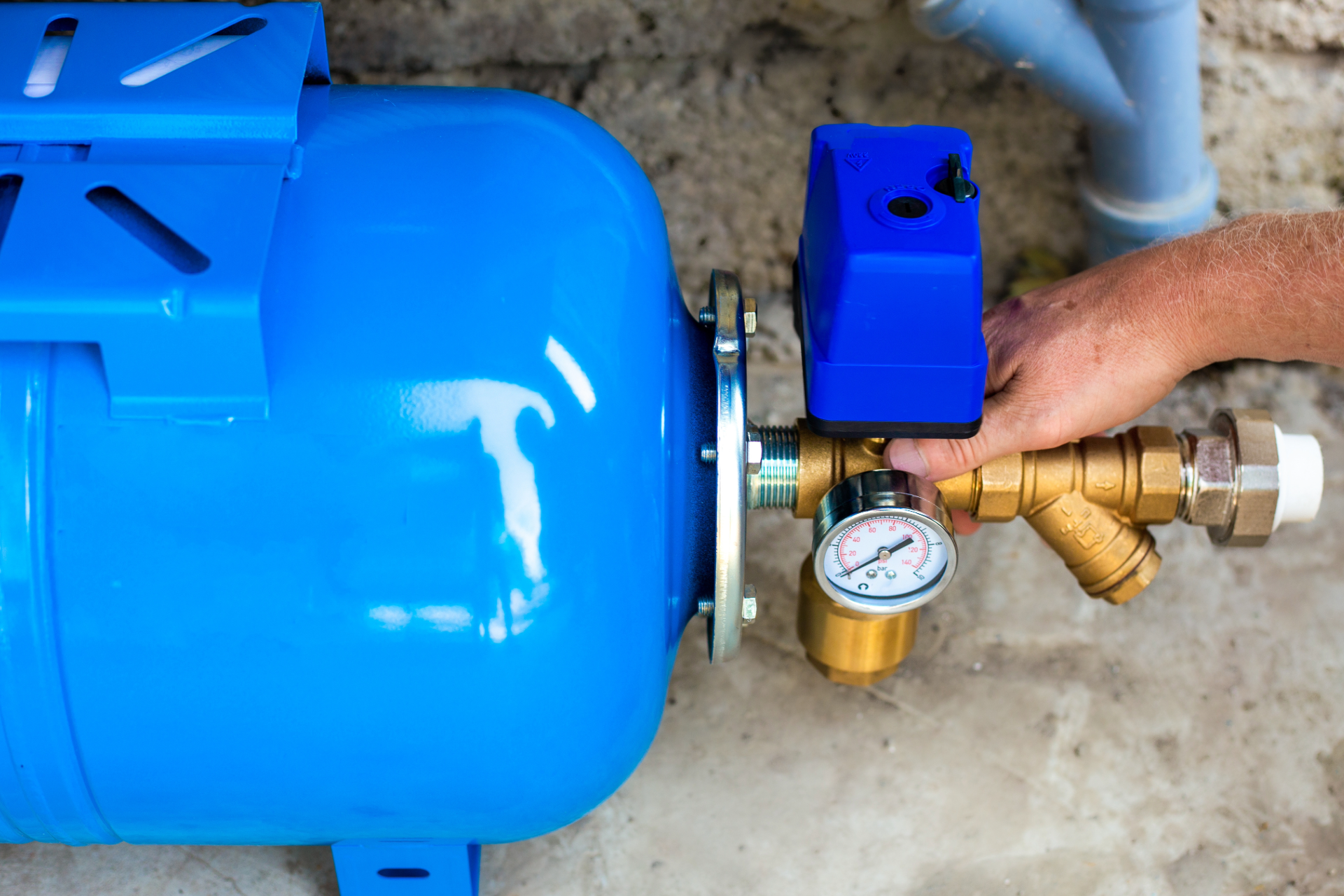
The pressure controller turns the pump on and off based on demand. When a tap opens or an irrigation zone activates, the controller detects the pressure drop and starts the pump. In larger commercial and strata setups, level sensors in the tank and automatic mains switching add further automation.
A check valve (also called a non-return valve) on the pump outlet prevents water from flowing backward into the tank when the pump stops. An isolation valve on the inlet side allows maintenance without emptying the tank.
Choosing the Right Pump
Understanding Water Demand
The first step is knowing what the water will be used for. In a house, stored rainwater might supply garden taps, a garden hose for outdoor washing, shower and laundry fixtures, toilet cistern flushing, or even washing machines. In commercial and strata buildings, the same water pumps might feed irrigation systems, vehicle washdown areas, or large-scale toilet flushing across multiple floors. Some smaller setups simply fill watering cans from a tap connected to the tank, while others run a hose to multiple garden zones. The water flow requirements differ significantly in each case.
Calculate the needed flow rate based on how many outlets will run at the same time during peak demand. The pump must deliver sufficient pressure to reach the highest fixture or the furthest sprinkler in the system. Underestimating demand leads to poor pressure. Overestimating it leads to an oversized pump that cycles excessively and wears out faster.
Types of Water Pumps for Water Tanks
Several pump type options suit water tank applications. The right water pumps for the job depend on the system layout and demand profile.
Pressure pumps are the most common for above-ground tank setups. As external pumps, they sit close to the tank and pressurise water through the pipework to points of use, and our Davey pumps in Sydney range is a common choice for this kind of setup. For best results, install the pump close to the tank to reduce suction losses.
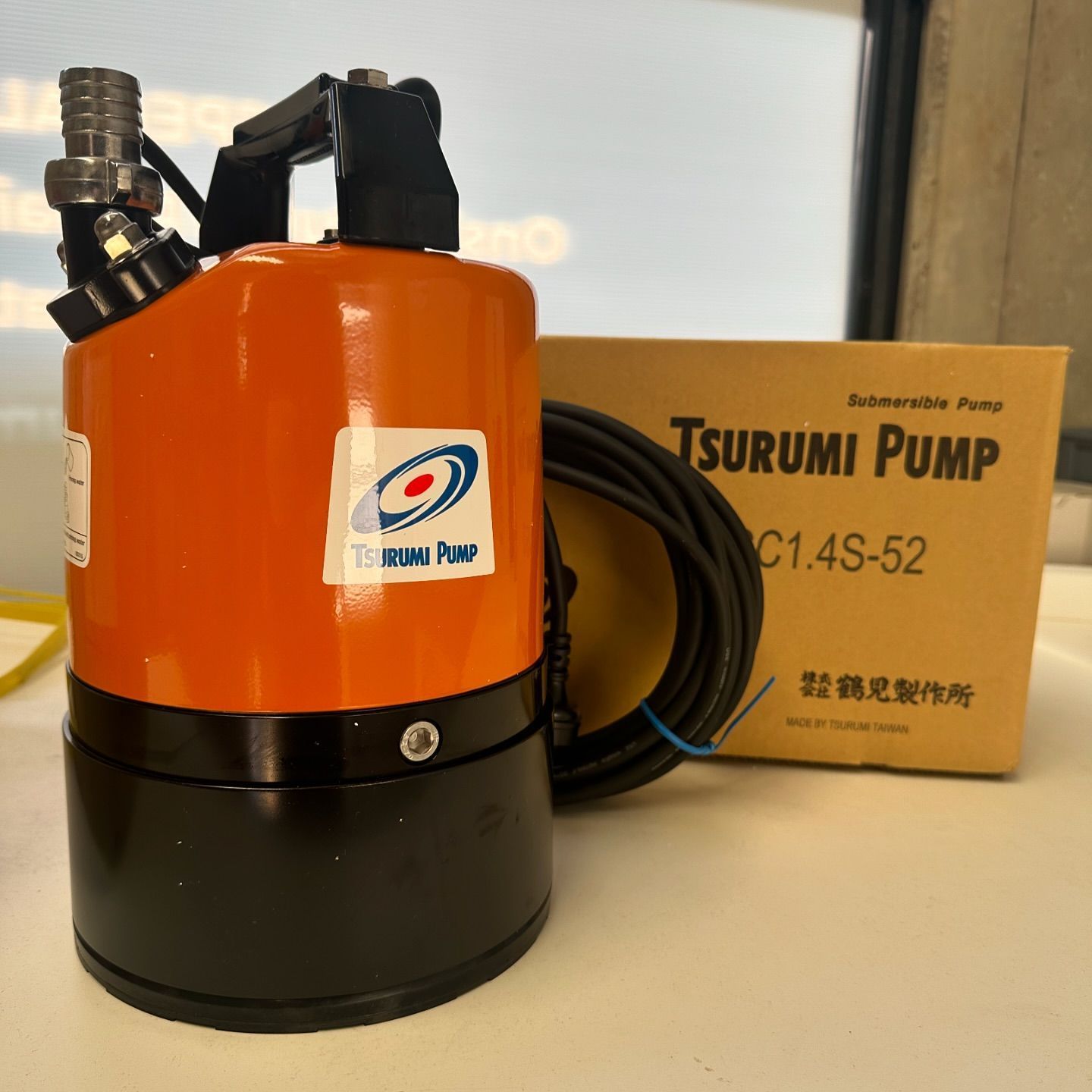
Submersible pumps sit inside the tank itself. Submersible pumps are quieter than external pumps because the water around them dampens noise and vibration. They are a good option where noise is a concern, such as pump installations near residential areas within a strata complex.
Variable speed pumps adjust motor speed to maintain constant pressure regardless of how many outlets are open. This reduces energy consumption and eliminates the pressure fluctuations that fixed-speed pumps produce. For commercial and strata buildings with fluctuating demand, variable speed systems are often preferred in commercial applications where demand fluctuates throughout the day.
Multistage pumps suit applications where higher pressures are needed, such as pushing water to upper floors or across long pipe runs.
The pump type you select directly affects efficiency, noise levels, and system lifespan. Getting it wrong costs more over the life of the system than the price difference between pump models.
Pump Sizing and Pressure Requirements
Two numbers drive the sizing decision: water flow rate and pressure.
Water flow is how much water the system needs to deliver per minute at peak demand. Pressure is the force required to push that water to every outlet. Both are influenced by the distance between the water tank and points of use, the elevation change between the pump and the highest outlet, and friction losses in the pipework. Longer pipe runs and smaller diameters increase friction loss. Discharge pipework should be the same size as the pump outlet to avoid unnecessary restriction. For example, water pumps feeding a multi-storey strata building will need to overcome significantly more head than a single-level setup.
An undersized pump will run constantly, struggling to maintain pressure. An oversized pump will short-cycle, putting excessive wear on the motor. As with most pumps, proper sizing is essential for efficiency, reliability, and service life. Run-dry protection is also worth specifying, as it prevents motor damage if the water tank empties during a dry spell.
Tank Location and System Layout
Where the rainwater tank sits and how the pipework is routed has a direct impact on pump performance and maintenance costs. Choosing the best location for the tank and pump together affects both efficiency and ease of maintenance.
Pump Positioning
Most water pumps should be installed close to the rainwater tank. Shorter distances between the tank and the pump improve efficiency and reduce the risk of suction-side problems. Connect the pump to the tank outlet using appropriate fittings and a short length of flexible hose or rigid pipe. The pump should be mounted on a firm, level base and securely fixed to prevent movement or vibration. Pump covers protect against weather damage and accidental impacts for external installations.
For underground tanks, a submersible pump inside the tank or a surface pump with a properly designed suction arrangement is required. Suction lift limitations apply to surface pumps, so the vertical distance between the water level and the pump must stay within the pump's rated capability.
Accessibility
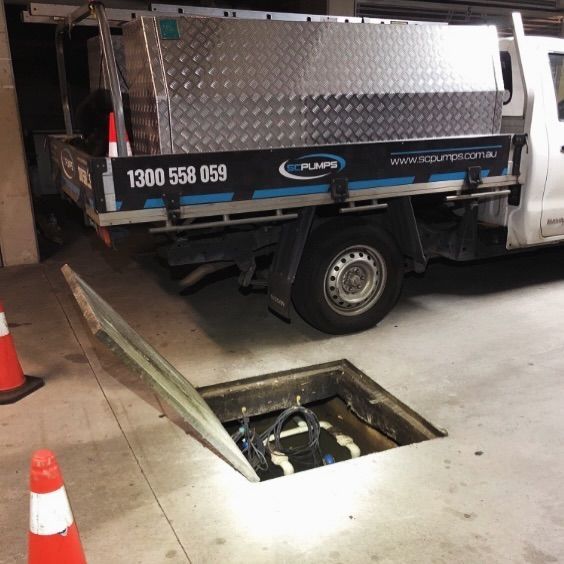
This is one of the most overlooked aspects of system layout. If the pump is boxed in, buried behind landscaping, or difficult to reach, every service call takes longer and costs more. Access to both the pump and the plumbing connections around it should be planned from the start, not treated as an afterthought. If you need Sydney water pump repair services, the technician needs to be able to reach the pump safely and efficiently.
Filtration and Water Quality
Rainwater picks up debris on its way into the rainwater tank. Leaves, dirt, insects, and fine sediment all end up in stored water if the system does not filter them out. Filtration prevents debris from entering water pumps and maintains water quality downstream.
A mesh strainer fitted over the outlet hole inside the tank protects the pump from larger particles. A float-operated inlet can also help by drawing water from below the surface where debris is less concentrated. Leaf guards on gutters and first-flush diverters on downpipes reduce contaminants reaching the tank. For commercial systems, additional inline filtration between the tank and the pump provides an extra layer of protection.
Poor water quality shortens pump life. Sediment wears seals and impellers. Organic matter can clog valves and block passages in pressure controllers. Keeping the water clean keeps the pump running longer.
Controls, Automation, and Backup Systems
In a commercial or strata environment, the rainwater pump system needs to operate with minimal manual intervention.
A pressure controller handles basic on-off operation based on demand. A float switch inside the tank monitors the water level and can trigger alerts or shut down water pumps when the level drops too low. Rainwater to mains changeover systems switch to mains water supply automatically and return to rainwater once the tank refills. A licensed plumber is required for mains water connections, and an air gap or backflow prevention device must comply with local council requirements. The pump's power supply should be a dedicated circuit with a weatherproof outlet, and the pump should plug directly into this point rather than through temporary wiring.
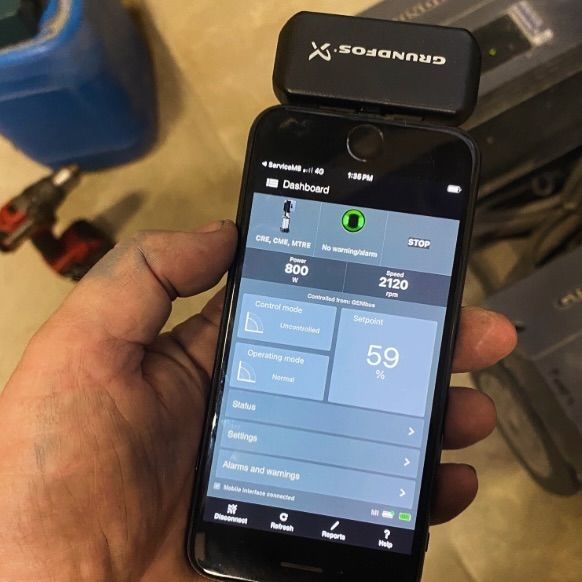
For larger facilities, monitoring systems can track pump run hours, pressure output, and fault conditions. This allows building managers to schedule maintenance based on actual usage and catch declining performance before it becomes a breakdown. Many Sydney water pump experts recommend this level of monitoring for complex commercial systems.
Common Setup Mistakes
Several recurring mistakes turn what should be a reliable water tank pump system into an ongoing headache.
Incorrect pump selection is the most common. Water pumps chosen on price alone, without matching them to the actual flow and pressure requirements, will either underperform or cycle excessively from the start.
Poor pipework design creates unnecessary friction losses. Undersized pipes, excessive bends, and long unplanned runs all work against the pump.
Inadequate filtration leaves the pump exposed to debris that accelerates wear. Skipping the first-flush diverter or the tank outlet strainer saves a small amount upfront and costs significantly more in early pump failures.
Ignoring maintenance access means every service visit takes longer and costs more. Running power via an extension cord instead of a dedicated electrical circuit is another common shortcut that creates safety risks and can void the pump warranty. And failing to plan for future demand is especially relevant in strata buildings where occupancy and usage patterns change over time.
Ongoing Maintenance
Water pumps require regular inspections for leaks, unusual noise, and declining pressure output. Filters and strainers on the rainwater tank should be cleaned at scheduled intervals, more frequently in areas with heavy tree cover or during storm seasons.
Pressure settings should be checked periodically against the manufacturer's specifications to confirm the system is still operating within its design parameters. If significant sludge has accumulated, tank cleaning may be required in accordance with the tank manufacturer's recommendations. Building detailed service logs allows you to drill down into recurring issues and plan replacements ahead of time.
Electrical safety is critical for pump longevity. Connections should be inspected for damage, and any signs of moisture ingress addressed immediately. For external installations, pump covers should be checked for weathering or physical damage. Preventative maintenance is always cheaper than reactive repairs.
When to Repair, Upgrade, or Replace
If the pump is struggling to maintain pressure, cycling more frequently, or generating higher energy bills without a change in usage, its performance is declining. At some point, ongoing repairs cost more than a replacement.
Modern variable speed water pumps are significantly more energy-efficient than the fixed-speed units installed in many older systems. Upgrading can reduce running costs and improve pressure consistency. If the building's water demand has grown since the original pump was installed, the existing pump may no longer be the right size for the job. When looking at new pumps for sale, focus on lifecycle cost rather than upfront price alone.
Getting It Right from the Start
A rainwater tank pump system is only as good as its design, its pump selection, and the quality of its installation. Demand, pressure, filtration, controls, and maintenance access all need to be considered together, not in isolation.
SC Pumps works with commercial property managers, strata committees, and facility operators across Sydney on rainwater pump installations, upgrades, and repairs. If you are planning a new system, troubleshooting an existing one, or looking at upgrading an aging pump, we are happy to walk through the options with you.
There's no single best water pump. It depends on the building. SC Pumps covers the key types, brands and sizing factors for Sydney strata and commercial sites.
Booster, submersible, circulation, stormwater — different pumps do very different jobs. SC Pumps breaks down the functions & how to match the right type to the job.
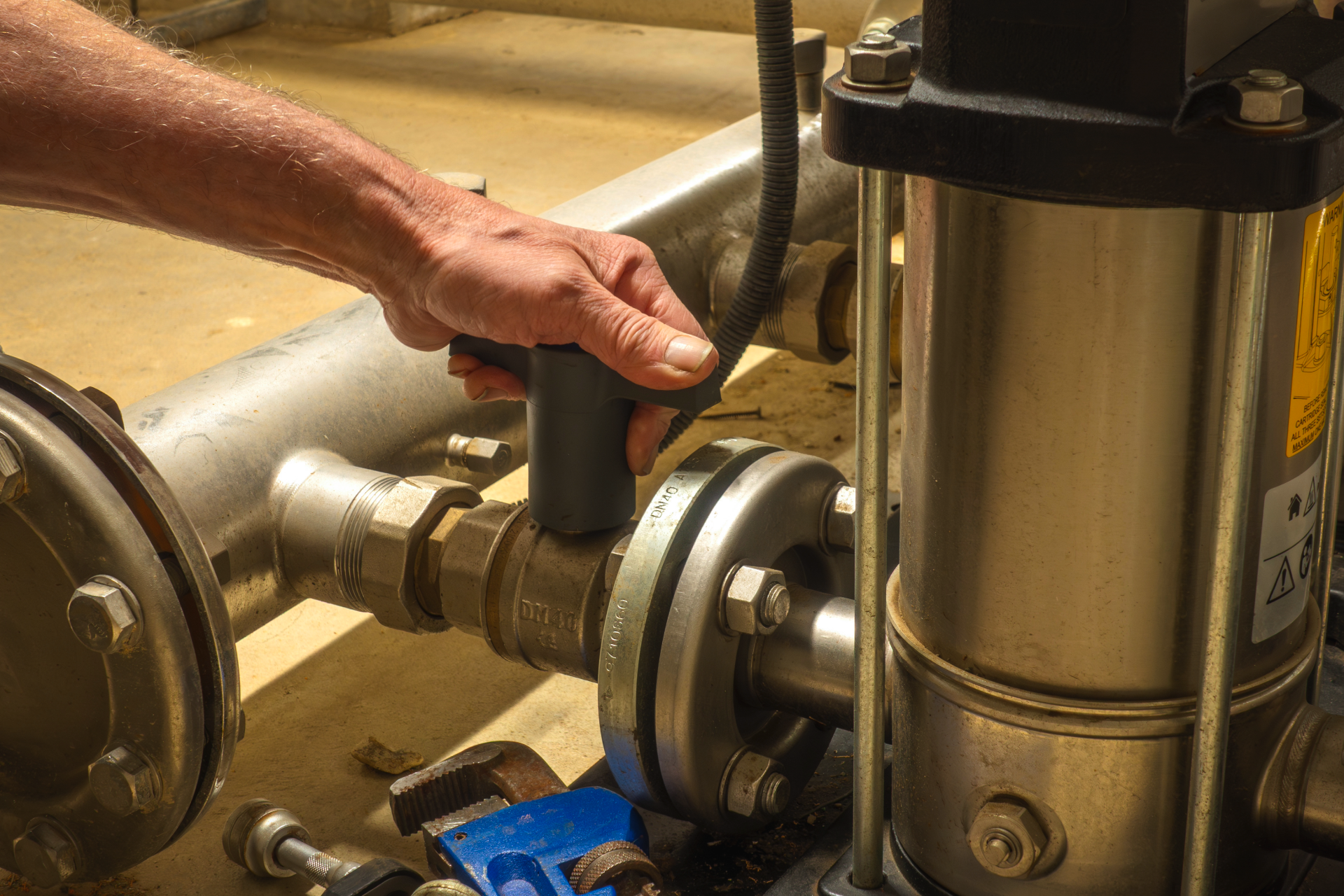
Ground floor gets great pressure. Level fourteen doesn't. SC Pumps explains how to size, back up and maintain water supply pumps that hold up on every floor.