
Car Park Flooding in Sydney: Causes & Prevention Strategies for Strata Buildings
Sydney Central Pumps • February 26, 2026
When torrential rain hits Sydney, basement car parks are often the first to fail. Water races down ramps, overwhelms drains, and pools where vehicles and critical building infrastructure are least protected, particularly when overnight flooding catches residents off guard. What follows is more than inconvenience. It is damaged cars, compromised electrical systems, insurance disputes, and frustrated residents demanding answers.
For strata buildings, car park flooding is rarely just the result of extreme weather. In many cases, it's an ongoing issue that reflects preventable problems such as inadequate stormwater design, poor ramp grading, failed pumps, or neglected backflow systems. As rainfall intensity increases across Sydney, these weaknesses are exposed with greater frequency and greater cost. Reports in the news highlight how unprepared many Sydney buildings remain, with these incidents happening more frequently each storm season.
Addressing the real causes, rather than treating each flood as an isolated event, is an important step to protecting both property value and resident confidence.
The Anatomy of Car Park Flooding
Flash flooding can occur rapidly due to intense rainfall, overwhelming drainage systems in minutes. Underground carparks sit at the lowest point of a building. Extreme weather tests every aspect of their flood protection systems.
North Manly 2022: A Dozen Cars Submerged
In 2022, residents in one Manly apartment block reported a dozen cars submerged during a severe storm. Once the heavy rain started, one resident described water cascading down the stairs into the basement like a waterfall, turning a secure parking area into a holding tank. By the time the rain eased, the damage was done. All the cars in the basement level were affected, with some absolutely destroyed.
These events are not rare anomalies. They are warning signs. Across Sydney, ageing stormwater infrastructure, undersized drainage, and increasing rainfall intensity are converging in the same vulnerable space: the basement.
How Heavy Rain Overwhelms Systems
Severe weather events, such as storms, can lead to flash flooding in car parks and surrounding areas. Even when a ‘status yellow rain warning’ is circulating online, which is a common search term used to describe lower-level weather alerts, many strata buildings still lack clear triggers to activate flood measures in time. In NSW, official warnings are issued by the Bureau of Meteorology and NSW SES under the Australian Warning System, where the yellow level corresponds to ‘Advice’.
Even a yellow rain alert should trigger your building's flood response protocol. Within hours (or even minutes), multiple water sources converge simultaneously. Roof runoff channels into downpipes. Surface water flows down access ramps. Groundwater pressure builds against basement walls. Public systems overflow and back up into private drainage.
Infrastructure issues, such as inadequate drainage systems, can exacerbate flooding in urban areas across Australia, with Sydney particularly vulnerable. Many older systems were specified using earlier rainfall estimates, and heavier short-duration bursts can exceed their practical capacity. Modern storms deliver more intense precipitation than these systems were built to handle.
Critical System Failures
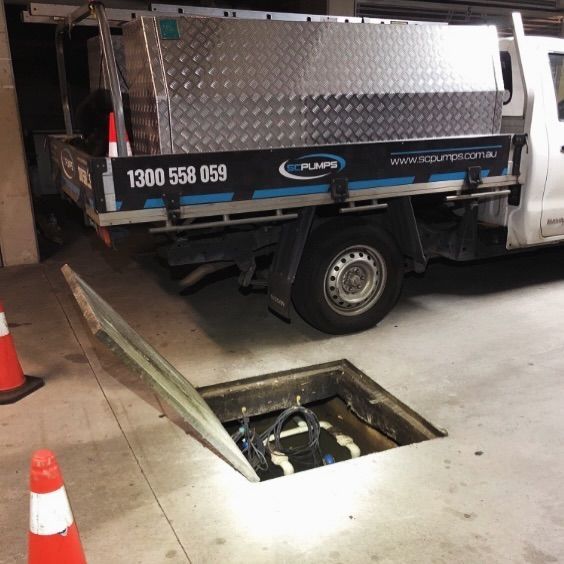
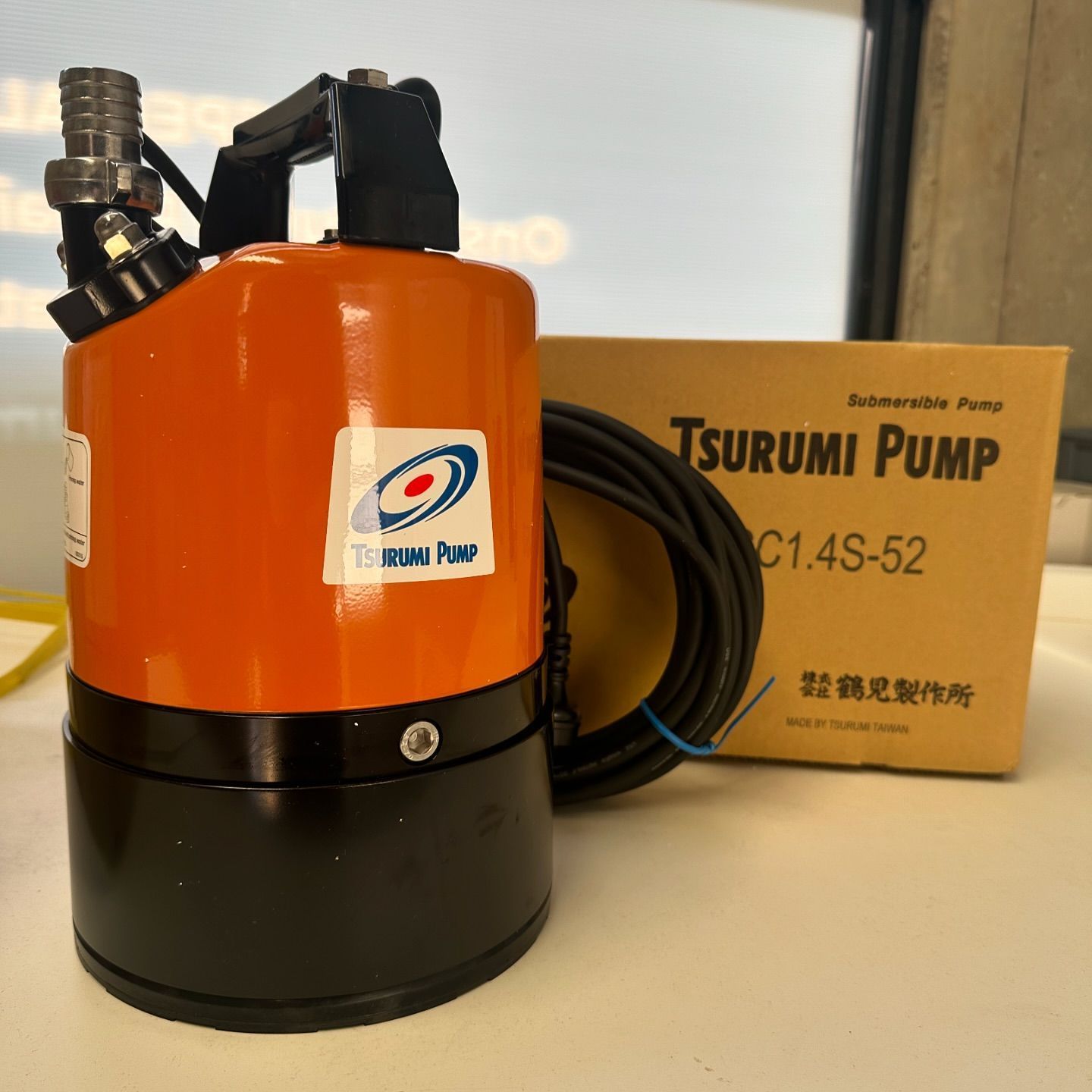
Underground car parks often rely on water pumps like sump pumps, which can fail due to power outages or mechanical issues, leading to flooding.
When Water Pumps & Water Pipes Burst
In severe flooding events, residents may report that water pumps burst or that a water pipe burst in the basement. In practice, true pump casing ruptures are rare. Pump failure is more commonly caused by electrical outages, motor overload, blocked inlets, or systems being overwhelmed by inflow rates beyond their capacity. By contrast, a water pipe burst is a well-recognised risk in ageing or pressurised systems, particularly where corrosion, joint failure, or surge pressure is present. Either event can rapidly escalate basement flooding if isolation or backup systems are not in place.
Blocked Drainage & Debris Accumulation
Blocked drainage systems can accumulate debris, restricting water flow and leading to surface water pooling. Leaves, plastic, and rubbish clog grates during storms. Water can't enter the drainage system properly. It sheets across surfaces and down into underground levels.
Structural Water Intrusion
Water can seep through cracks, expansion joints, or porous walls in underground structures during flooding. Hydrostatic pressure forces water through microscopic openings. During extreme flooding, water finds every possible entry route.
Vehicle Damage and Financial Impact
Heavy rainfall can lead to cars being completely underwater in car parks, causing significant damage. Residents returning to find their own car submerged and ruined, facing devastating losses. Flooding can cause serious contamination of engine oil and other fluids, compromising vehicle functionality. If floodwater reaches the lower door level or above, it is commonly treated as a serious loss risk, and insurers may write the vehicle off after assessment, particularly in modern vehicles with sensitive electronics.
If water enters the engine through the air intake, it can cause hydrolock, resulting in severe engine damage. Do not start a flooded vehicle, as this can lead to irreversible engine damage. Prolonged exposure to floodwater can cause corrosion and rust in vehicles, especially when exposed to saltwater. In the worst cases, vehicles are destroyed beyond repair.
Residents often face significant financial losses due to vehicle damage from flooding. When dozen vehicles are written off in a single event, the financial impact on apartment owners and those who rent can be catastrophic. Recovery can take weeks or even months.
Immediate Actions for Residents
Emergency services may be overwhelmed during major flooding events, leading to delays in response. Resident safety becomes the primary concern during these events. Overnight flooding often disables the building's lift, forcing residents into climbing multiple flights of stairs or making basement access dangerous. In extreme cases where residents are trapped, particularly elderly residents with mobility issues, emergency rescue may be required. Residents at night face particular challenges when flooding strikes and building management is off-site.
What Strata & Apartment Block Residents Should Do Immediately
Do not try to start or drive the vehicle. If it’s safe to access and you know what you’re doing, isolating power may reduce further electrical issues, then arrange towing and insurer contact. It is also important to document flood damage with photos and even video footage for insurance claims. Photograph water levels, debris lines, interior damage, and overall vehicle condition. Record timestamps for all documentation. Contact your insurer immediately.
Emergency Vehicle Relocation
Moving vehicles from low-lying car parks to higher ground is a recommended precaution during flood warnings. Buildings should have evacuation plans and warning systems when severe weather approaches. Early notification gives residents time to relocate vehicles before flooding starts.
Infrastructure Upgrades
Installing linear trench drains at car park entrances can intercept surface runoff and prevent flooding. These drains catch water before it reaches descent ramps. Using permeable concrete or pavers can reduce surface runoff in car parks. These materials allow water to drain through surfaces rather than running across them.
Installing overflow tanks can help manage stormwater during heavy rains. These tanks provide buffer capacity when primary drainage reaches limits.
Professional Assessment
Flood studies with detailed flood modelling help determine the nature and extent of flood problems. Professional assessment identifies specific vulnerabilities in your building. Community feedback is essential in guiding flood risk management plans.
Regular Maintenance Schedule
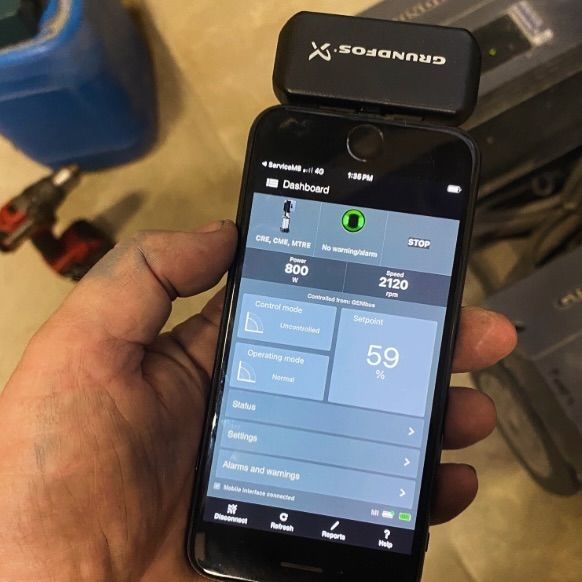
It is crucial to schedule regular cleaning of drains and gutters to remove sediment and debris, especially before heavy rainfall. Storm season preparation must include comprehensive drain cleaning. Moreover, regular pump servicing and maintenance verifies systems will work when needed. Many pump failures could be prevented with proper maintenance. Emergency pumps can be maintained on site as a precaution against heavy rainfall.
Backup Systems & Long-Term Solutions
Installing backup pumps with power redundancy protects against common failure points. Dual pump systems provide reliability. If one pump fails, the second continues operating. Battery backup keeps pumps running during power outages. They provide limited runtime but can bridge short outages. Generator backup offers longer protection for extended failures.
Automatic changeover systems activate backup power without manual intervention. During overnight storms, automatic systems respond instantly while manual systems might fail due to delayed human response.
Buildings that have been affected by recurring flooding need comprehensive review. Flood-risk studies identify root causes. Solutions might include pump upgrades, drainage expansion, or structural waterproofing. Addressing symptoms without fixing underlying causes guarantees future flooding.
If your property has experienced ongoing water problems, professional assessment is of absolute importance. Specialists in stormwater pumps in Sydney are the preferred source for evaluating whether your existing sump pumps, backup configuration, and overall drainage design are suitable for current rainfall conditions and recommend practical long-term solutions.
Don't Wait for the Next Flood — Contact SC Pumps
Car park flooding causes immense disruption and financial loss. But it's largely preventable with proper planning, infrastructure, and maintenance.
Sydney Central Pumps specialises in stormwater and submersible pump systems for strata buildings across Sydney. We assess drainage capacity, test pump reliability, and develop maintenance schedules that help prevent flooding. Our maintenance programmes at 6 to 12-month intervals keep pumps ready for severe weather. If your existing system is outdated or inadequate, we can design and implement upgrades to meet current demands.
Get in touch with Sydney Central Pumps on 1300 558 059 or via our contact form to schedule a comprehensive pump system assessment. We service strata buildings from Manly to Sutherland and can identify vulnerabilities before the next severe storm strikes.
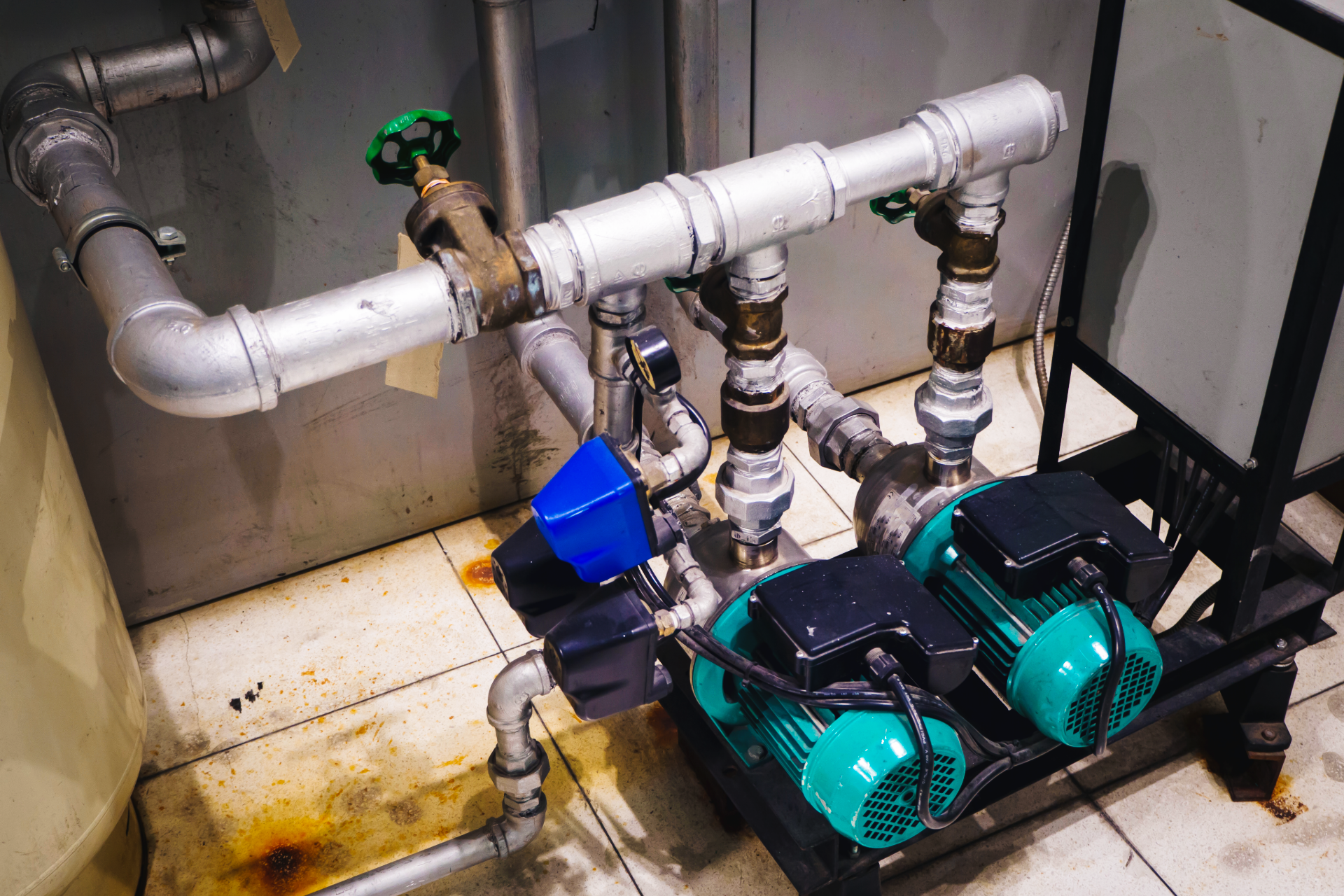
There's no single best water pump. It depends on the building. SC Pumps covers the key types, brands and sizing factors for Sydney strata and commercial sites.
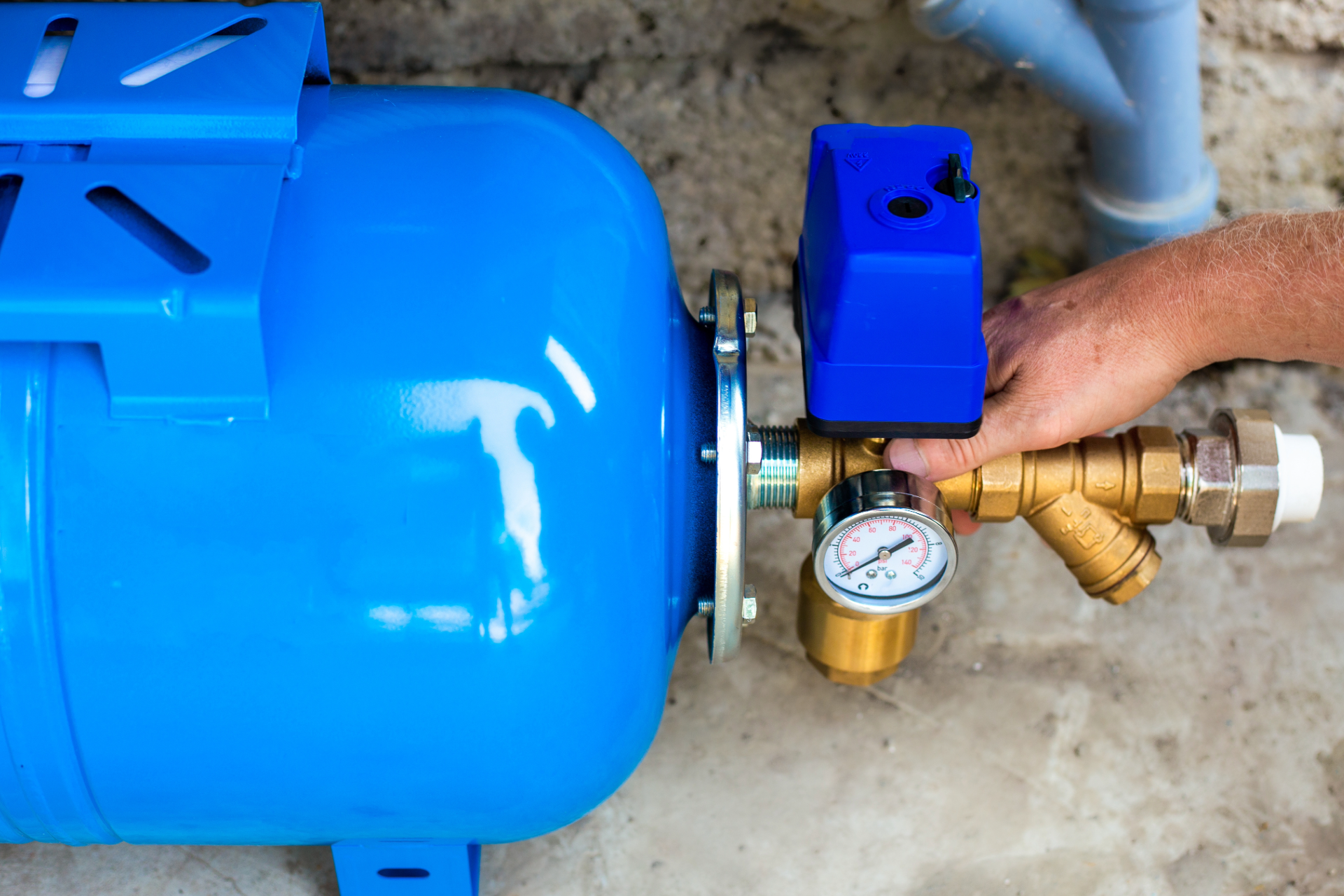
Booster, submersible, circulation, stormwater — different pumps do very different jobs. SC Pumps breaks down the functions & how to match the right type to the job.
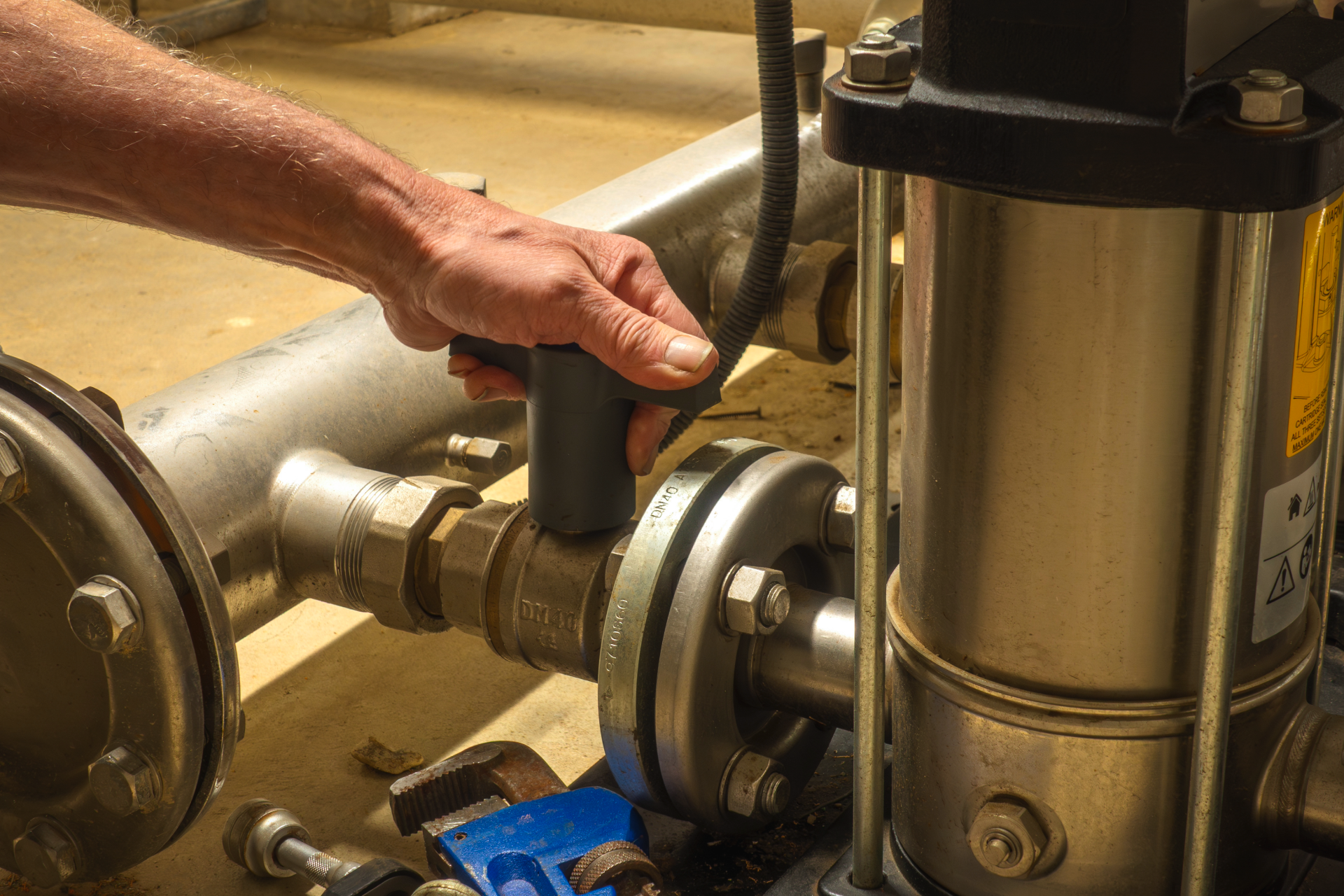
Ground floor gets great pressure. Level fourteen doesn't. SC Pumps explains how to size, back up and maintain water supply pumps that hold up on every floor.