
How Irrigation System Pumps Work and When They Need Servicing
Sydney Central Pumps • July 2, 2026
Behind every healthy sports field, landscaped strata complex, commercial garden, and productive farm is an irrigation pump delivering water where and when it's needed. While often overlooked, the pump is one of the most critical components in any irrigation system, influencing everything from water efficiency to overall system reliability. Across Australia, irrigation water pumps serve commercial applications and agriculture operations alike, keeping crops irrigated and livestock watered. The pumping systems behind all of this need to be reliable.
If you manage a commercial property, strata building, or facility with irrigated grounds in Sydney, having knowledge on how your irrigation system pump works is a key part of efficient water management. Knowing what the pump needs to keep running well can save you from unexpected failures, water waste, and costly emergency repairs.
What Does an Irrigation System Pump Actually Do?
An irrigation pump draws water from a source and pressurises it so it can move through the network of pipes, valves, and sprinklers or drip lines that make up the irrigation system.
The water source could be mains supply, a rainwater tank, a reservoir, a bore, or even rivers and dams. Without the pump, there is no pressure. Without pressure, sprinklers will not throw properly, drip lines will not deliver evenly, and the system cannot cover all its zones.
Pumps provide consistent water pressure for even distribution across the irrigated area. When the pumping systems are working well, water reaches every zone at the right volume and pressure to meet the site's irrigation needs. When they are not, some areas get too much water while others dry out. High-quality pumps enhance the effectiveness of sprinkler systems by maintaining steady output across multiple zones running in sequence.
Types of Irrigation System Pumps
Not every irrigation pump is the same. The right type depends on where the water comes from, how far it needs to travel, and how much pressure the system needs.
Centrifugal Pumps
Centrifugal water pumps are the most common type for surface water sources. They use a spinning impeller to push water outward and generate pressure. These pumps are common for surface water sources with a suction lift under 6 to 7 metres and are a standard choice for parks, sports fields, and commercial landscaping.
Self-priming centrifugal models can automatically clear air from the suction pipe, which makes them more practical in setups where the pump sits above the water level and the line may lose prime between cycles.
Submersible Pumps
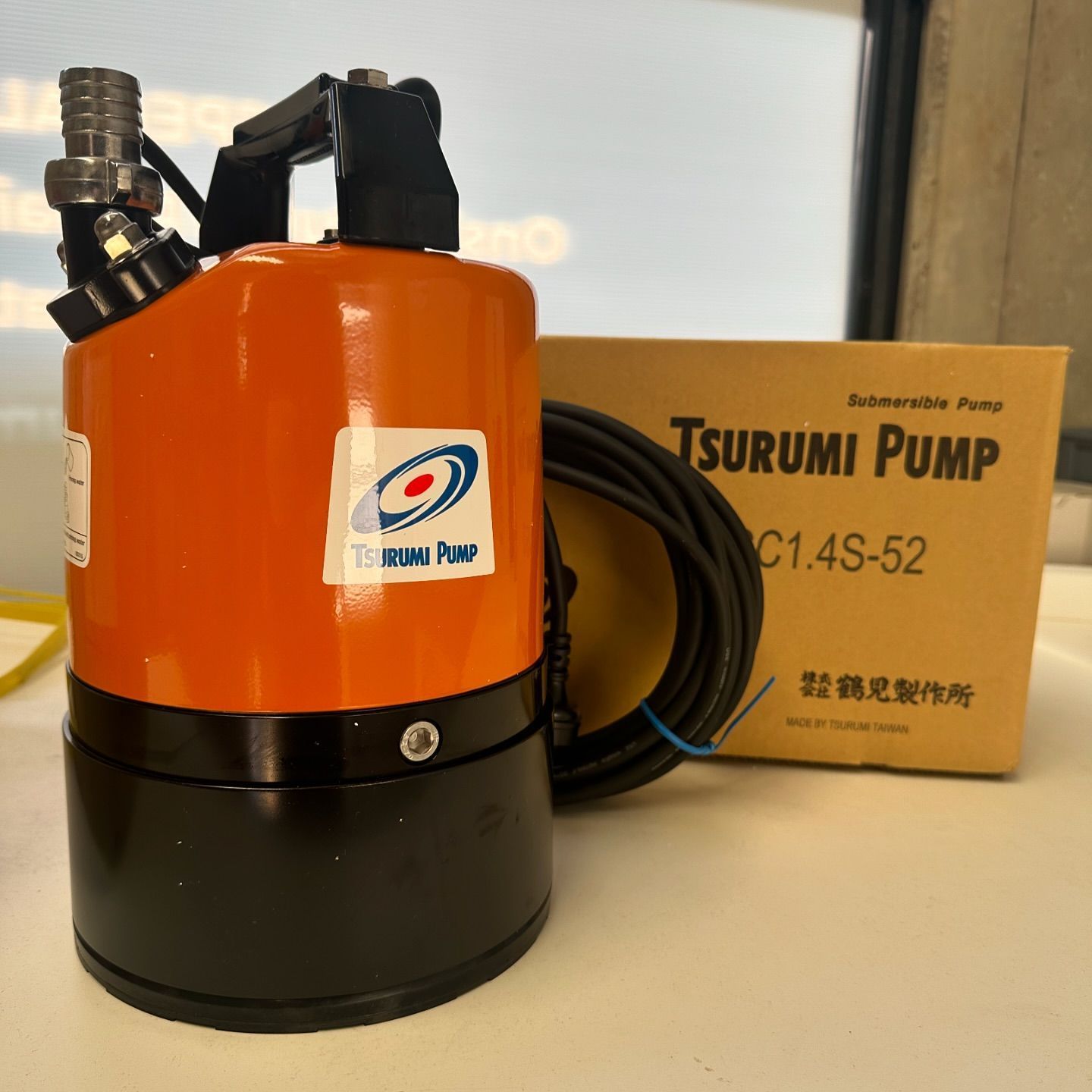
Submersible water pumps sit inside the water source itself, usually a bore, well, or underground tank. These pumping systems push water up rather than pulling it from above. Submersible pumps are ideal for deep wells or boreholes where a surface-mounted pump would not be able to generate enough suction.
Because they operate underwater, submersible pumps run quietly and do not need priming. They are a common choice for properties that draw irrigation water from a bore or deep storage tank.
Booster Pumps
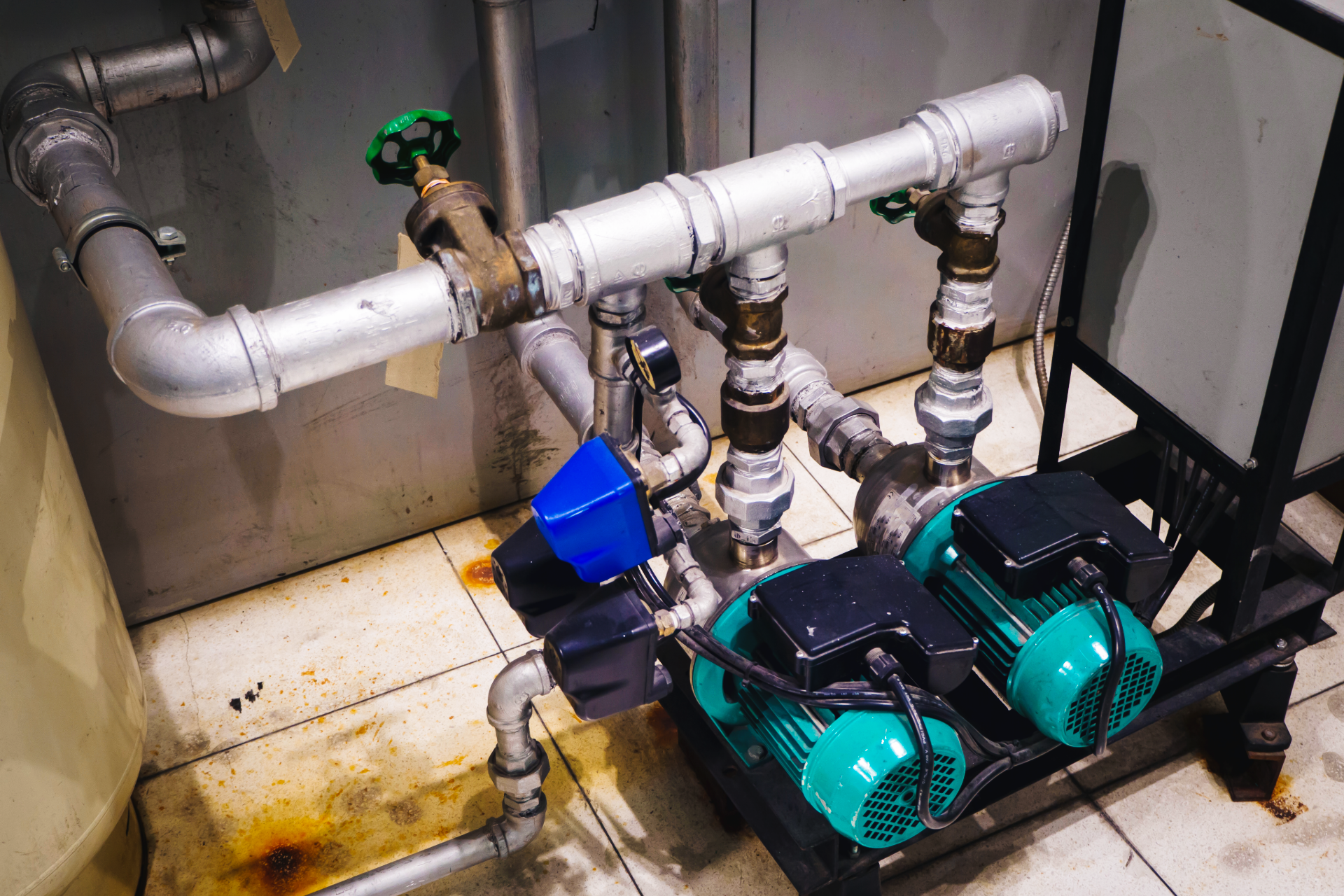
Booster pressure pumps increase water pressure in an existing irrigation system. They are used when the available supply, usually mains water, does not provide enough pressure to run the system properly.
This is a common setup in urban commercial properties and strata complexes across Sydney. The mains pressure might be adequate for indoor taps but falls short when the irrigation controller opens multiple zones at once. A booster pump bridges that gap.
Choosing the Right Type
Electric pumps are common for properties with a reliable electricity supply, which covers most commercial and strata sites in Sydney. The choice between centrifugal, submersible, or booster comes down to the water source, the available power source, and how much pressure the system needs to deliver. Getting this wrong means the pump either works too hard or cannot keep up with demand. Both shorten its life and push costs beyond what your budget should need to cover. Choosing an efficient pump that matches the application avoids these problems from the start.
Other Water Pumps Used in Irrigation
Beyond the three main types, several other water pumps play a role in irrigation and water management. Jet pumps use a combination of suction and pressure to draw water from shallow wells and are sometimes used in smaller irrigation setups. Transfer pumps move water between storage points, such as from a dam to a holding tank or from a header tank to the irrigation network. In some commercial properties, transfer pumps also handle redistribution of recycled or treated water for landscape use.
Pressure pumps are also found in setups where the irrigation system shares infrastructure with other site needs, such as a swimming pool, cooling systems, or building appliances connected to the same water supply.
Key Components That Affect Performance
The pump itself is only one part of the system. Several other components influence how well it performs.
Flow Rate and Pressure
These are the two numbers that matter most. Flow rate is how much water the pumping systems deliver per minute. Pressure is the force behind it. You need to determine the required flow rate and pressure to match your irrigation method. Drip irrigation, for example, requires low flow and low pressure compared to pop-up sprinklers that need higher pressure to achieve proper throw distance. Pumps with variable speed drives can adjust output to match demand, which reduces energy costs over the life of the system.
Total Dynamic Head
Total Dynamic Head (TDH) is the total resistance the pump has to overcome. It includes the vertical height the water needs to travel (elevation), the operating pressure required at the sprinkler heads, and the friction loss in the pipes. This calculation is critical when sizing pressure pumps and pumping systems for irrigation, as getting it wrong leads to poor performance or premature wear. Piping should be sized appropriately to minimise friction loss. Undersized pipes force the pump to work harder, which increases energy consumption and accelerates wear.
Valves and Filtration
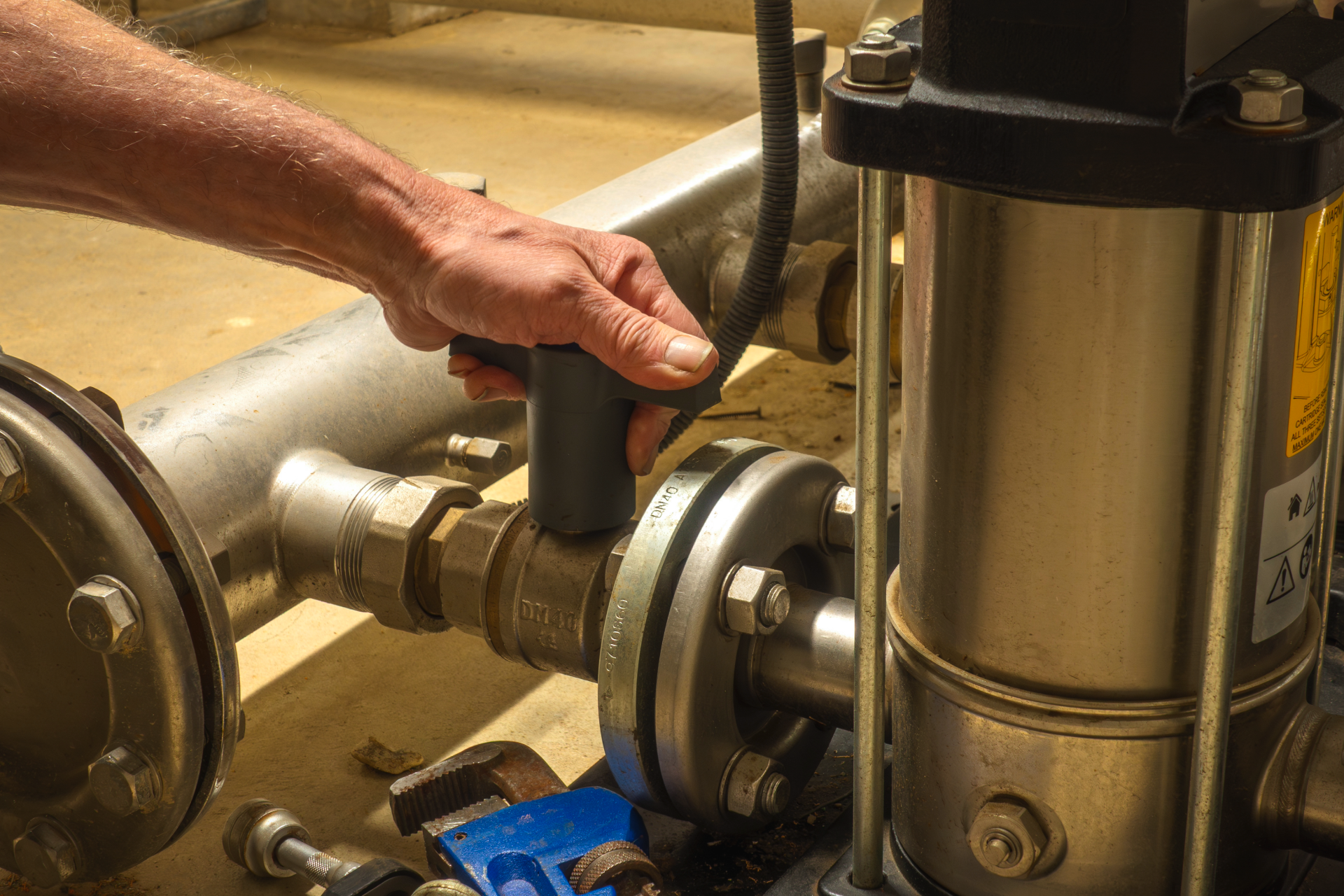
Non-return valves prevent backflow and help protect the pump by holding its prime. Inline filters are important when drawing water from bores, dams, or rainwater tanks. Sediment, sand, and organic materials will wear out pump internals faster if they are not filtered out before reaching the pump.
Common Irrigation Pump Problems
Irrigation water pumps are reliable when they are sized correctly and maintained regularly. But problems do come up with all pumping systems, especially those that have been running for years without a professional inspection.
Loss of Pressure Across Zones
If some zones are underperforming while others seem fine, the pump may be losing pressure internally. Worn impellers, leaking seals, or a failing non-return valve are the usual causes. Pressure loss can also come from leaks in the irrigation pipework itself, so it is worth checking both the pump and the lines.
Pump Running but Not Delivering Water
This is common with centrifugal pumps that have lost their prime. An air leak in the suction line, a blocked intake, or a cracked foot valve can all cause the pump to spin without moving water. Submersible pumps do not have this issue because they are always submerged, but they can still fail to deliver if the bore water level drops below the pump intake.
Short Cycling
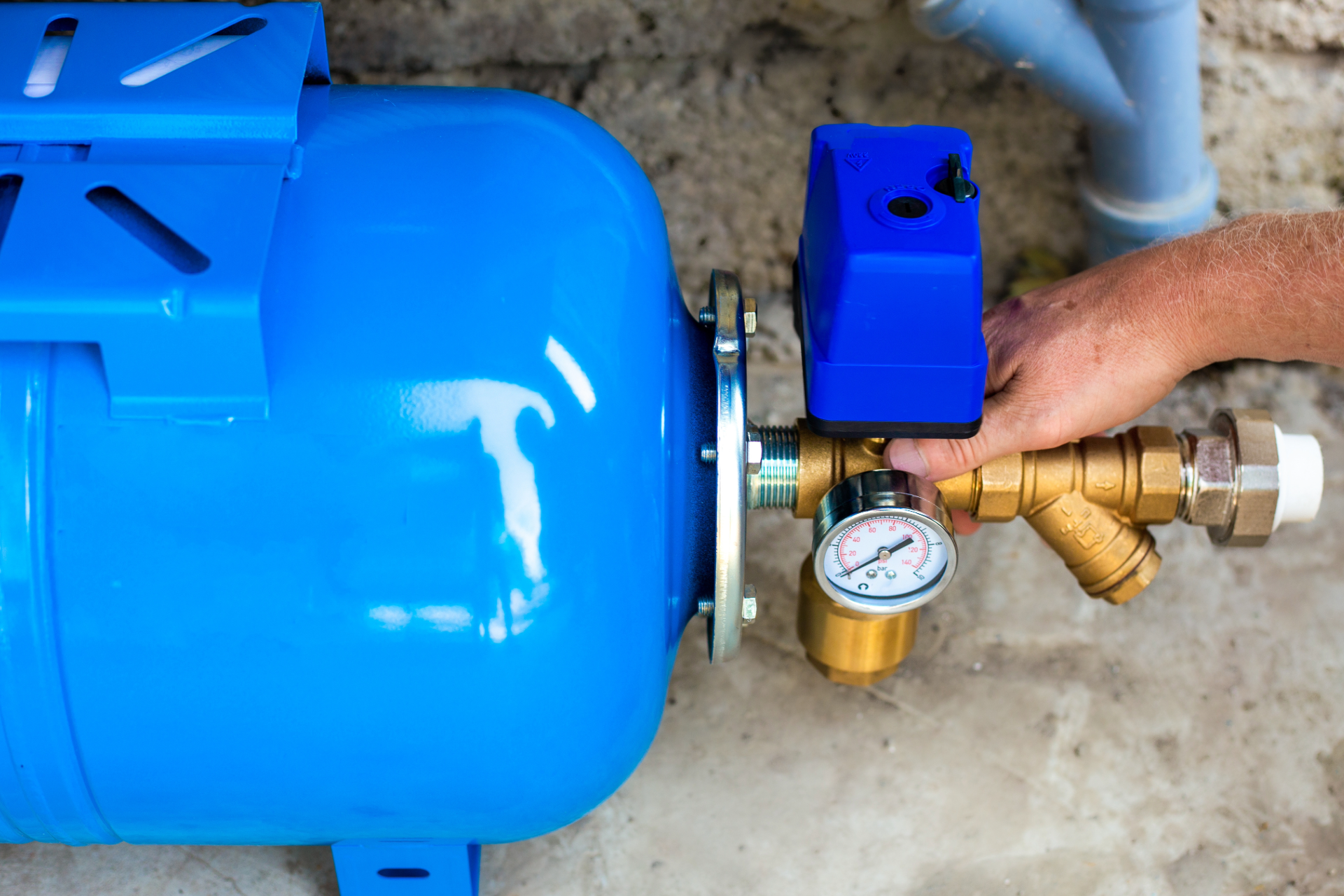
If the pump is switching on and off rapidly, the issue is usually a faulty pressure tank, incorrect pressure switch settings, or a small leak in the irrigation line that keeps triggering the pressure pumps. Short cycling puts heavy wear on the motor and can force you to replace components much sooner than expected.
Unusual Noise or Vibration
Grinding, rattling, or high-pitched whining from the pump often points to worn bearings or debris caught in the impeller. Cavitation, where the pump is starved of water at the inlet, can also cause distinctive noise and will damage internal components if left unchecked. If you are dealing with water pump problems in Sydney, unusual noise is one of the clearest signs that a professional inspection is overdue.
Higher Than Expected Energy Bills
An irrigation pump that is running longer than it should will show up on the power bill. Common causes include leaks in the system that keep the pump cycling, worn internals that reduce efficiency, or a pump that was never correctly sized for the irrigation layout in the first place. Investigating excessive power consumption early can prevent a more expensive failure down the track.
Maintenance That Extends Pump Life
Reliable pumps minimise maintenance costs over their lifespan, but that does not mean they need zero attention. A few routine checks go a long way.
Inspect water pumps annually, ideally before peak irrigation season in spring. The inspection process should cover filters, seals, fittings, and any accessories such as pressure tanks or controller units connected to the system. Common pump issues include blocked filters and worn parts, both of which are easy to catch during a scheduled inspection but expensive to deal with if they cause a breakdown mid-season.
Clean intake filters and strainers at least every season, more often if the water source carries sediment. Check seals and pipe connections for leaks. Test the pump's output pressure against its rated specs to catch gradual performance decline before it becomes a bigger problem.
For systems that sit idle over winter, flush the pump and lines before shutting down and again before restarting. Stagnant water inside a pump can cause corrosion and seal degradation. If you are installing a new pump or replacing an existing installation, make sure the system is properly flushed and tested before the first irrigation cycle.
For larger commercial, strata, and agricultural systems, professional water pump services in Sydney can help ensure pumps are correctly commissioned, tested, and operating at peak efficiency from day one. Keep detailed maintenance records for pump components so you can track performance trends and plan replacements before failures happen.
When to Call a Pump Specialist
Some issues are straightforward enough to troubleshoot on-site. Others need a specialist with the right tools and experience. Getting expert advice early often saves more than attempting a DIY fix that does not address the root cause. Call a pump professional when:
The pressure has dropped and basic checks have not found the cause. The pump is cycling rapidly or tripping its overload protection. There is visible corrosion, leaking from the pump housing, or unusual noise that was not there before. The system has been running for eight to ten years or more without a professional inspection.
One commonly overlooked scenario is when the landscaping or irrigation layout has been extended but the pump was never upgraded to match. An undersized pump will struggle with the increased demand and wear out faster than it should.
A good pump specialist can also advise on the right replacement if your current unit is beyond repair. They will know which trusted brands suit the job and can source the right pump from a reliable supplier rather than leaving you to sort through what is for sale online without context.
Keep Your Irrigation Pump Running
An irrigation system pump is a working asset. It needs periodic attention to deliver consistent results season after season. Ignoring it until something breaks almost always costs more than a scheduled service would have.
SC Pumps works with commercial property managers, strata committees, and facility teams across Sydney. Irrigation pump servicing sits alongside our broader pump work, including a wide range of submersible pumps, booster systems, stormwater pumps, and pressure systems for commercial and strata buildings. If your irrigation pump is underperforming, making noise it should not be making, or simply overdue for a check-up, we can take a look and give you a straight answer.
Get in touch with SC Pumps about your irrigation pump needs.
There's no single best water pump. It depends on the building. SC Pumps covers the key types, brands and sizing factors for Sydney strata and commercial sites.
Booster, submersible, circulation, stormwater — different pumps do very different jobs. SC Pumps breaks down the functions & how to match the right type to the job.
Ground floor gets great pressure. Level fourteen doesn't. SC Pumps explains how to size, back up and maintain water supply pumps that hold up on every floor.