
Why Is My Davey Pump Not Working? Common Causes and How to Fix It
Sydney Central Pumps • August 31, 2026
A Davey pump not working properly is never just an inconvenience when it's serving a commercial or strata building. Lose pressure across a few floors, leave a basement pump unable to keep up, or let a system short-cycle for long enough, and you're looking at a much bigger repair bill than if the fault had been caught early.
Before calling a specialist, it helps to understand what's actually going on inside the system, so you know what you're dealing with and what genuinely needs a professional. Here's what usually causes it, and how to tell a quick fix from something that needs a technician on site.
Quick Troubleshooting Guide
Before we dive into the nitty-gritty details, here's a table you can scan first. If your tank, pump, or showers suddenly lose pressure, one of these is usually the culprit.
| Symptom | Likely Cause |
|---|---|
| No power at all | Blown fuse or tripped circuit |
| Pump runs, no water | Loss of prime → air in suction line |
| Constant cycling | Faulty check valve or a leak |
| Humming, won't start | Jammed impeller |
| Weak pressure | Choked suction line or filter |
Note that this table is a starting point, not a diagnosis, for example, weak pressure at the taps and weak pressure in the showers upstairs can point to different causes depending on where in the building the trouble is occurring. The sections below go through each of these in more depth.
Start With the Basics: Power and Priming
Diagnosing a malfunctioning water pump almost always starts in the same two places: power supply and priming status. These two checks rule out the simplest and most common causes before looking at anything more involved.
No Power at All
A pump may fail to operate if there is no mains supply or a blown fuse. Before assuming there's a mechanical fault, isolate the unit safely and confirm it's securely plugged in and that the outlet itself is supplying power.
In some cases, a failed capacitor can also prevent the motor from starting even when power is reaching the unit, though this is rarely something that can be detected without opening the housing. It sounds obvious, but a tripped circuit or a loose connection accounts for a surprising number of "dead pump" callouts.
Loss of Prime
Loss of prime is the other common starting point. Loss of prime or air leaks in the suction line can prevent a pump from functioning properly, since the pump needs a continuous column of water to build pressure. Suction leaks and blocked foot valves can also stop a pump from building pressure at all, even when the motor is running normally. If the pump is running but not delivering water, priming or suction is usually where the problem lies.
Priming, Valves & Water Level
Most Davey pumps prime through a dedicated priming plug on top of the casing. Removing it and filling the casing with water before startup clears air from the system, this step is covered in the operating instructions that come with every unit, and it's worth keeping that document on hand rather than relying on memory.
The inlet side draws water in, and the discharge side pushes it out to the building's pipework. An internal check valve sits on the discharge side and stops water flowing back once the pump stops, and a second internal check valve is sometimes fitted on the suction side of larger systems to help maintain prime between cycles. If either fails, the pump can lose water pressure or start cycling as covered in the next section.
Most systems ship with default settings for cut-in and cut-out pressure that suit typical residential and light commercial setups. For buildings with unusual demand patterns or a tank that sits below or well above the pump, these may need adjusting so the system isn't fighting an incorrect water level trigger. If your system is connected to a tank with a float switch, it's worth confirming that switch is set correctly as part of any inspection.
Reading the Torrium Status Indicator
Many Davey pressure systems use the Torrium controller, and its status indicator LED shows pump system status at a glance, which makes early diagnosis considerably easier than guessing from symptoms alone.
Green means the pump is running normally. Red covers a wider range of conditions than most people expect, it's also the standard colour when the pump is simply idle and waiting for pressure to drop, so a red light on its own isn't necessarily a fault. The controller tells different conditions apart by how the light flashes rather than by colour alone, loss of prime, under-voltage, and water over-temperature (triggered above 70°C) all show as red but with different flash patterns. Rather than trying to memorise what each pattern means, the quickest way to interpret it is to check the light against the status card that comes with the unit, or against the manufacturer's operation and troubleshooting guide.
If your building's pump is showing a persistent red or flashing light and it isn't simply sitting idle between cycles, that's a strong signal to call in a technician rather than reset it and hope, since it usually points to an underlying condition that needs addressing, not just a glitch.
Why a Pump Keeps Cycling On and Off
Short-cycling, where the pump switches on and off far more often than it should, is one of the most common complaints building managers report. A few things typically cause it.
A faulty check valve can cause the pump to cycle, since it allows water to drain back down the line and trick the system into thinking pressure has dropped. Check for leaks in your building if the pump keeps activating unexpectedly, since even a small leak downstream will cause the same repeated cycling. It's a similar story on a smaller scale, too, a dripping faucet can cause the pump to cycle continuously, restarting the system every time pressure drops below the cut-in point.
None of these issues are usually visible without inspecting the pipework and fittings closely, which is where a proper assessment from Davey pump specialists in Sydney makes the difference between a quick fix and a pump that keeps failing in the same way every few weeks. We'd generally advise having the system pump serviced at this point rather than replacing individual parts one at a time and hoping the cycling stops.
When the Motor Hums but Won't Start
If the pump makes a humming sound but the motor doesn't turn over, the cause is often mechanical rather than electrical. A jammed impeller can cause a motor to hum without turning on, usually from debris, mineral build-up, or a foreign object lodged inside the pump housing.
A thermal overload switch may also trip if the motor overheats, causing the pump to shut down as a protective measure rather than allowing the motor to burn out. This is a built-in safety feature doing its job, not a fault in itself, but it's worth having the underlying cause investigated rather than simply waiting for the pump to reset and run hot again.
Because both of these issues involve opening the pump housing and working near live electrical components, this isn't a job for DIY troubleshooting. A licensed technician, and where the fault sits on the plumbing side, a qualified plumber, can safely inspect the impeller and motor windings without risking further damage or personal injury. As a dual-trade plumber and electrical contractor, SC Pumps can assist with both sides of the job on pumps we've installed as well as systems installed by others.
Low Pressure or Weak Flow
If the pump is running but pressure feels weak throughout the building, the cause is often a restriction rather than a pump fault. Choked suction lines or filters can restrict flow and cause low water pressure, gradually starving the system even though the motor itself is working correctly. This kind of issue tends to develop slowly, which is exactly why getting your pump serviced on a routine basis catches it before it becomes a full system failure.
A few simple maintenance tips, like checking filters after storms or when debris tends to store up near the intake, and having your original installation documentation on hand, can also make it easier for a technician to diagnose the issue quickly on the day.
Know When You're Out of Your Depth
There's a real difference between checking a plug and opening a pump housing. Confirming power, spotting an obvious leak, or reading the Torrium light before you call for support is genuinely useful, it means whoever attends site already has a head start. But a jammed impeller, a failed check valve, or a fault sitting somewhere in the wiring isn't something to chase further on your own. Push past that point without the right training and a manageable repair can turn into a replaced motor, or worse, a system that fails again in a few weeks because the actual cause was never found.
That's the gap Sydney Central Pumps fills for strata managers, building managers, and commercial property owners across the city. As a trusted name in water pumps in Sydney, our technicians see Davey systems in these buildings regularly, so a persistent fault light or a pump that won't stop cycling is usually one of a handful of known causes, and we can generally narrow it down without much guesswork.
Before You Call to Have Your Pump Serviced
A few things on hand make the contact process faster when you're ready to get assistance. Note down what trouble the pump is showing, whether that's the Torrium light colour, a noise, or a pressure drop, along with any details of when the issue started and how the pump's normal operation has changed. If you're not sure whether the problem is on the discharge side of the system or further back, that's fine, a technician can confirm this on site.
If your pump is still under warranty, keep your original purchase receipt and any installation document you were given, and check whether replacement parts need to be manufacturer-approved to keep the warranty valid. You can reach us by phone, or by filling out the quote form on our contact page. Many of our clients also find us through Google reviews from other strata and building managers, which is usually a good sign of consistent service quality. If you'd rather press ahead and book straight in, the fastest way is a direct call.
If your building's Davey pump is doing any of what's described above, the smart move is getting someone qualified onto it before the fault gets worse or the pump gets replaced unnecessarily. Contact Sydney Central Pumps and we'll get it sorted.
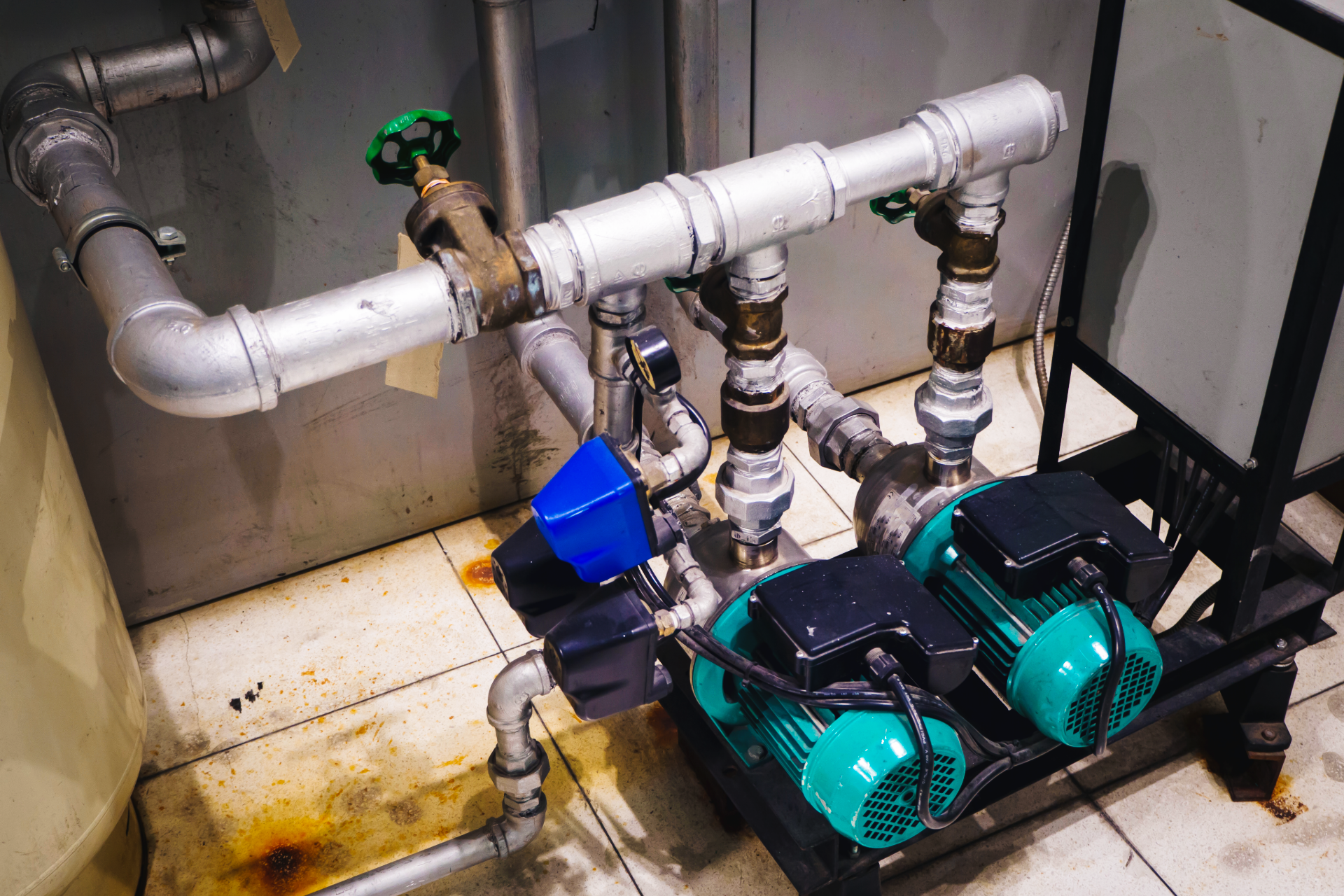
There's no single best water pump. It depends on the building. SC Pumps covers the key types, brands and sizing factors for Sydney strata and commercial sites.
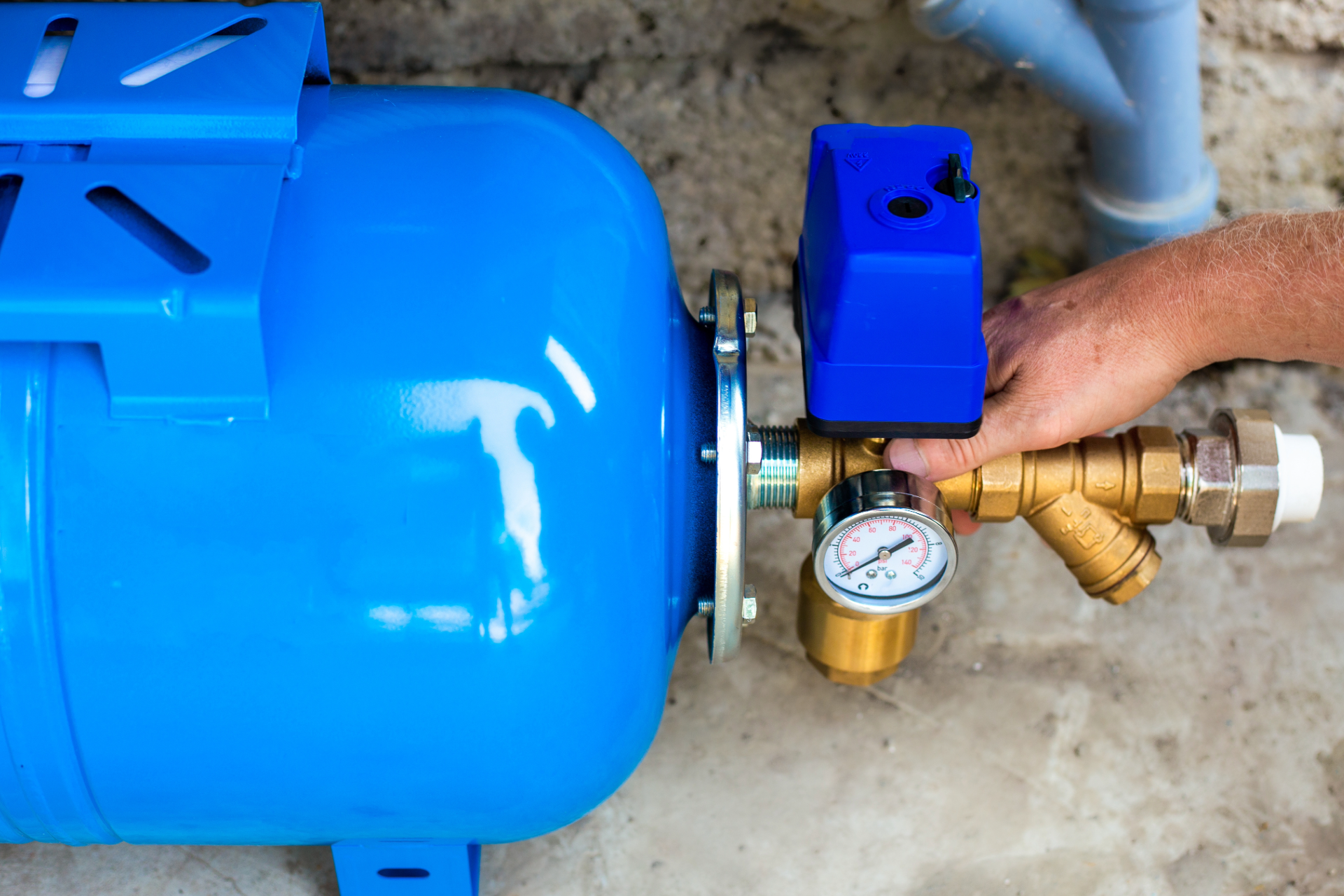
Booster, submersible, circulation, stormwater — different pumps do very different jobs. SC Pumps breaks down the functions & how to match the right type to the job.
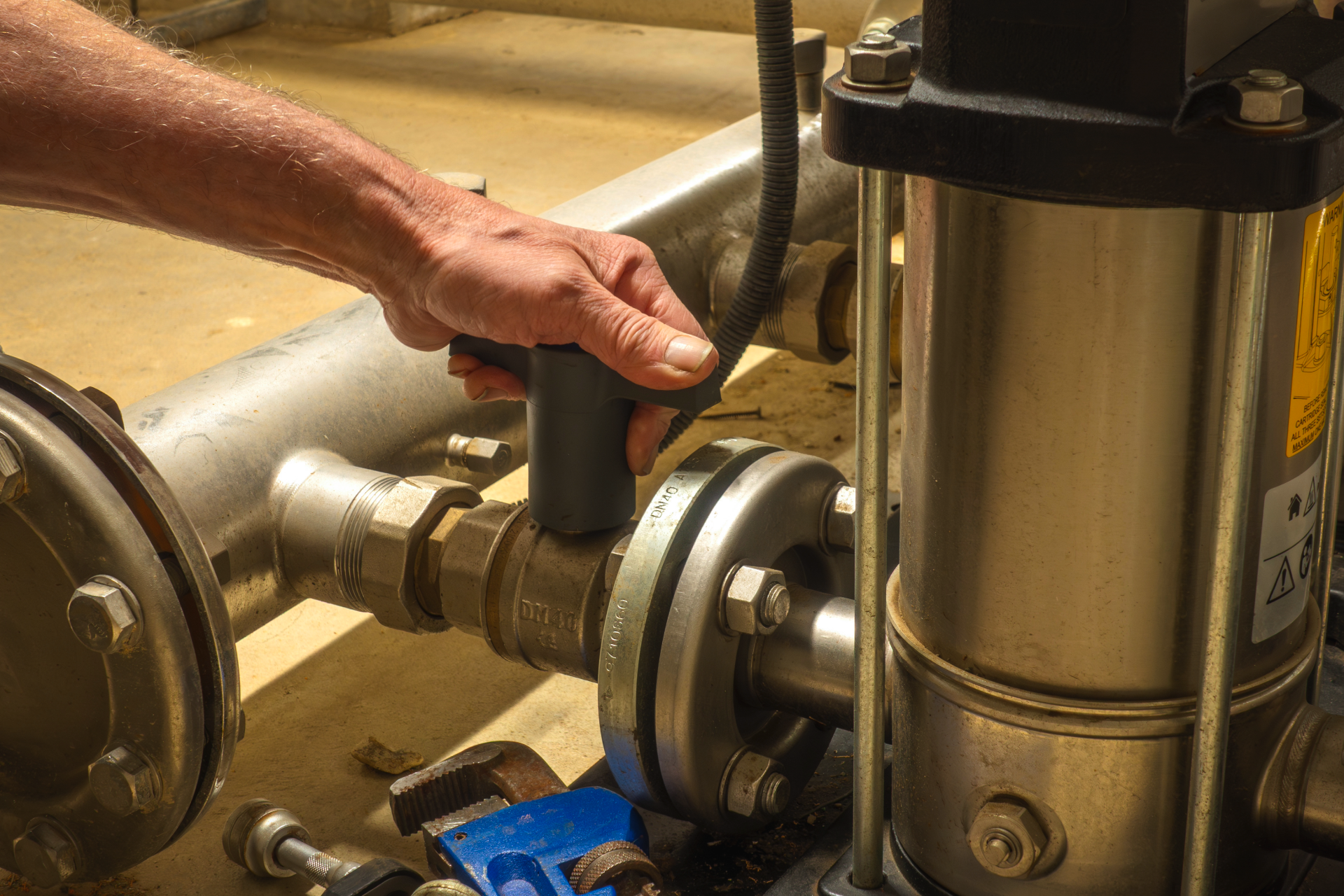
Ground floor gets great pressure. Level fourteen doesn't. SC Pumps explains how to size, back up and maintain water supply pumps that hold up on every floor.