
Why Stormwater Pits Overflow
Sydney Central Pumps • March 8, 2026
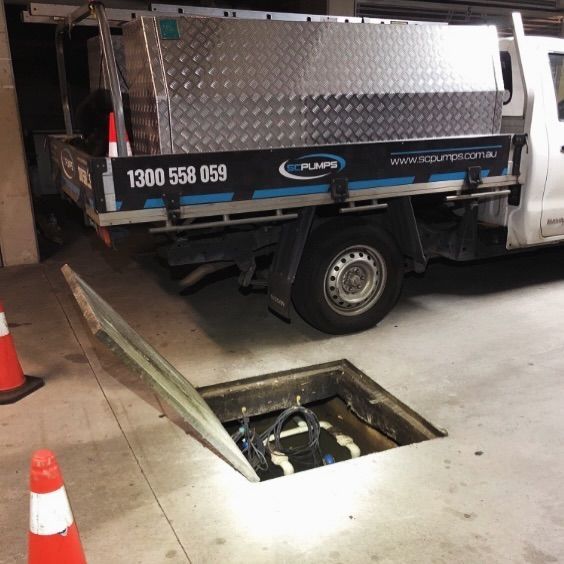
Ever walked past a stormwater pit gushing water like a broken fire hydrant during heavy rain? This exact scenario plays out around the world every storm season, and it's more than just an inconvenience. When stormwater pits overflow, they can flood car parks and damage property. What’s more, they can even create serious safety hazards for residents and visitors.
The Capacity Problem
Most overflow issues come down to one thing: the pit can't handle the volume of water coming in. In Sydney, heavy storms are becoming a common thing and they dump huge amounts of rain in short periods. The pit fills faster than the pump can clear it. Water has nowhere to go except up and out.
Your pump might be working perfectly fine. But if it's too small for the job, you'll still see overflow. Many older buildings have pumps that were sized for lighter rainfall. Climate patterns have changed. We're seeing more intense downpours than we did 20 or 30 years ago.
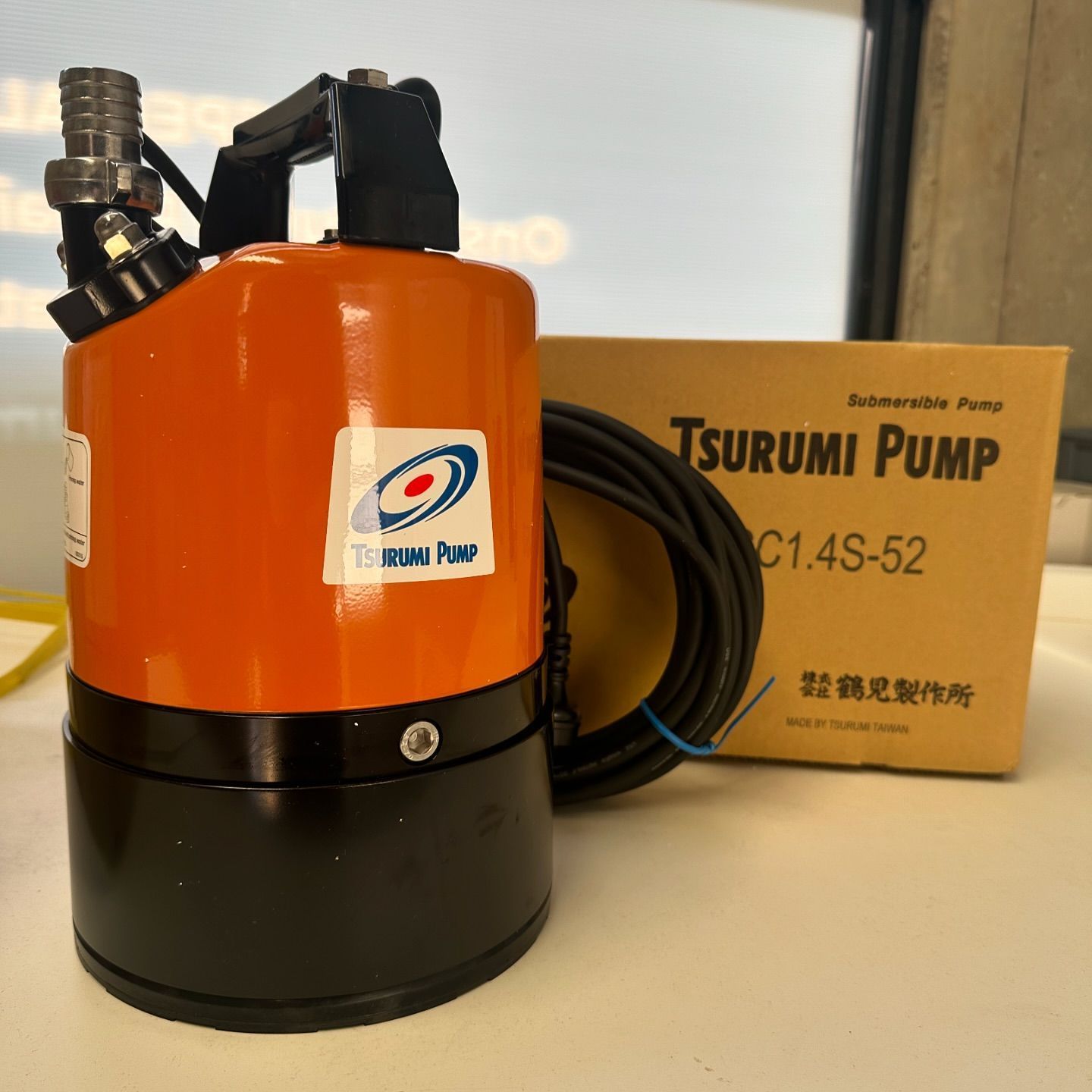
If this sounds familiar, it may be time to have your stormwater pumps in Sydney assessed and, if needed, upgraded for reliable and efficient performance.
Blocked Screens and Filters
Debris is a constant battle with stormwater systems. Leaves, plastic bags, cigarette butts, and general rubbish wash into the pit. They clog the screens. They block the intake. The pump can't draw water properly.
Even small blockages reduce pump efficiency dramatically. A screen that's 50% blocked means your pump is working at half capacity or less. During a storm, that's the difference between coping and overflowing.
Pump Failures Go Unnoticed
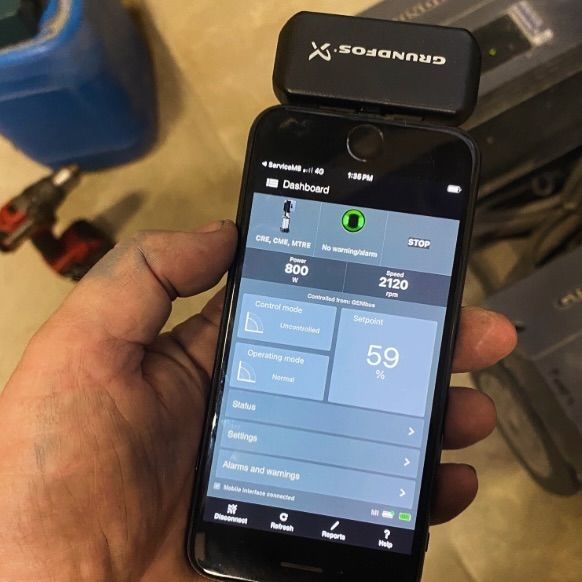
Here's a problem many building managers face: the pump stops working, but nobody knows until the next big rain event. Pumps can fail for various reasons. Bearings wear out. Electrical components break down. Impellers get damaged.
Without regular pump maintenance checks, these failures sit hidden in the pit. Everything seems fine on dry days. Then the storm hits. Water rushes in. The pump doesn't respond. The pit gets overwhelmed within minutes.
Float Switch Malfunctions
Float switches tell the pump when to turn on and off. They're simple devices, but they're critical. When they fail, pumps don't activate when water levels rise. Or they get stuck in the off position.
Debris can jam float switches. They can get tangled in their own cables. Mechanical parts wear out over time. A faulty float switch means your pump sits idle while water pours into the pit. The only way to ensure your float switch is working as it should is by having your pump system checked at least twice a year.
Drainage Line Issues
Sometimes the pump works perfectly, but water can't get out of the pit fast enough. The drainage line might be blocked. Tree roots often invade underground pipes. They create barriers that slow or stop water flow.
Collapsed pipes are another culprit. Ground movement, age, or poor installation can cause sections to fail. The pump pushes water, but it backs up because the exit route is compromised.
Power Supply Problems
Pumps need electricity to run. During severe storms, power can cut out. If your system doesn't have backup power, the pump stops. Water continues flowing in. The pit fills rapidly.
Some buildings have backup systems, but the changeover fails. The generator doesn't kick in properly. Or the backup pump doesn't receive power. These technical failures leave the pit vulnerable during the worst possible time.
Multiple Pumps, Poor Coordination
Buildings with dual pump systems face another challenge. Both pumps should work together during heavy flow. One pump handles normal conditions. The second activates during peak demand.
If the control system fails, only one pump runs. It can't cope with storm volumes alone. The result is predictable: the pit can't keep up, and water overflows.
If your building relies on a dual pump setup, it may be worth having the control system and pump configuration checked by a
Sydney water pump specialist to confirm both units are operating correctly when demand increases.
Incorrect Pit Sizing
Sometimes the pit itself is too small. Building standards have evolved. Requirements for stormwater management have become more stringent. Older pits might not meet current needs for the building's size or the surrounding catchment area.
A small pit fills quickly. Even with a good pump, there's limited buffer capacity. Heavy rain exceeds the system's ability to manage the volume.
The Maintenance Gap
Many overflow problems come back to one thing: lack of regular maintenance. Pumps need periodic health checks. Screens need cleaning. Float switches need testing. Control panels need inspection.
Buildings that skip maintenance run on borrowed time. Small issues compound. What could have been a simple repair becomes an expensive emergency when the pit overflows and causes water damage.
Protect Your Property
Stormwater pit overflow isn't inevitable. Regular inspections catch problems early. Professional maintenance keeps pumps running efficiently. Proper system sizing prevents capacity issues before they start.
If your stormwater pit has overflowed, or if you're concerned about its reliability, Sydney Central Pumps can help. We assess your entire system, identify vulnerabilities, and provide solutions that support consistent operation during heavy rainfall. Our team services stormwater pumps across Sydney, from Manly to Sutherland. We offer maintenance programmes spaced at 6 to 12-month intervals to keep your system ready for whatever weather comes your way.
Contact Sydney Central Pumps on 1300 558 059 or request a quote
to schedule a comprehensive stormwater system inspection. We'll make sure your pit and pump are ready for storm season.
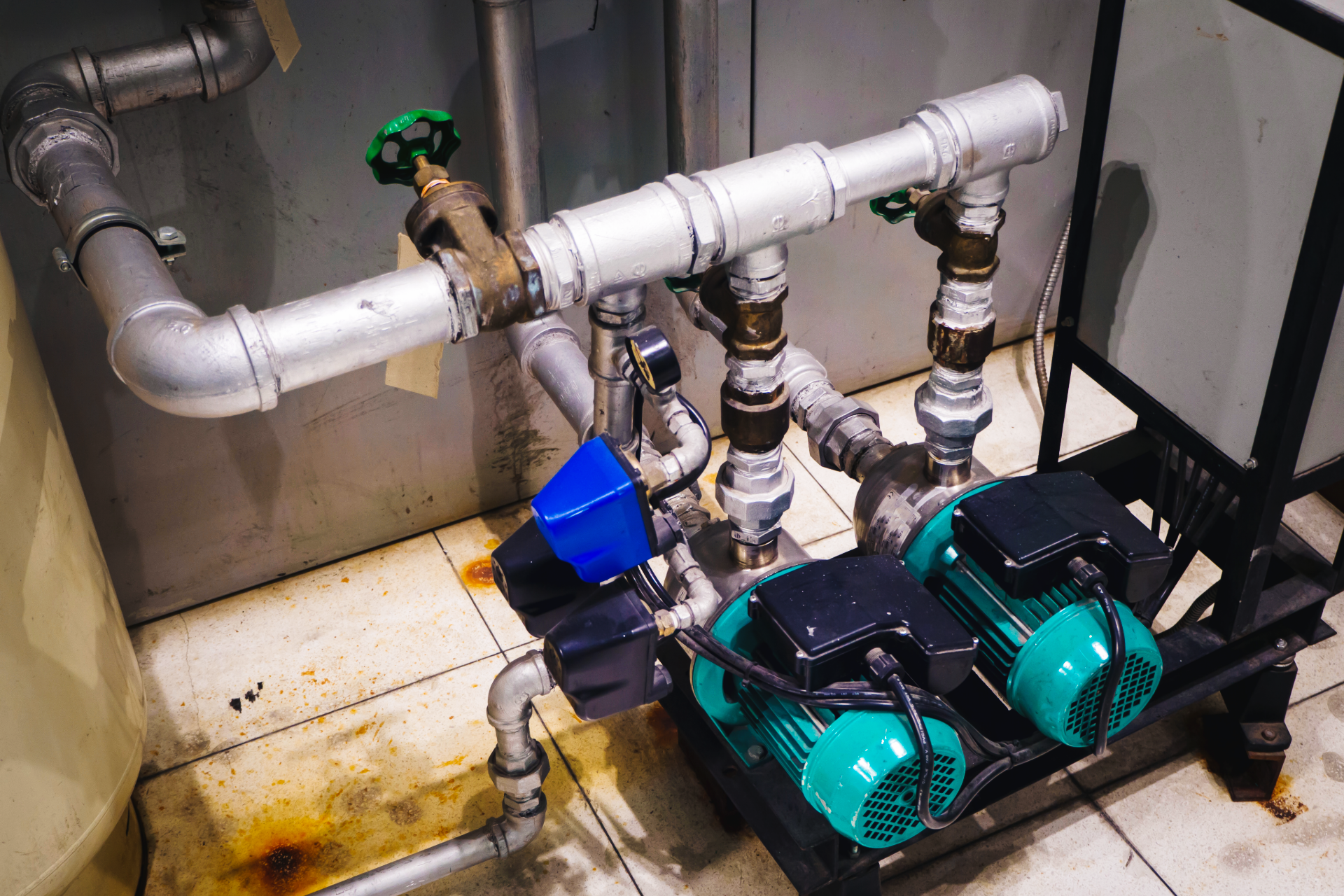
There's no single best water pump. It depends on the building. SC Pumps covers the key types, brands and sizing factors for Sydney strata and commercial sites.
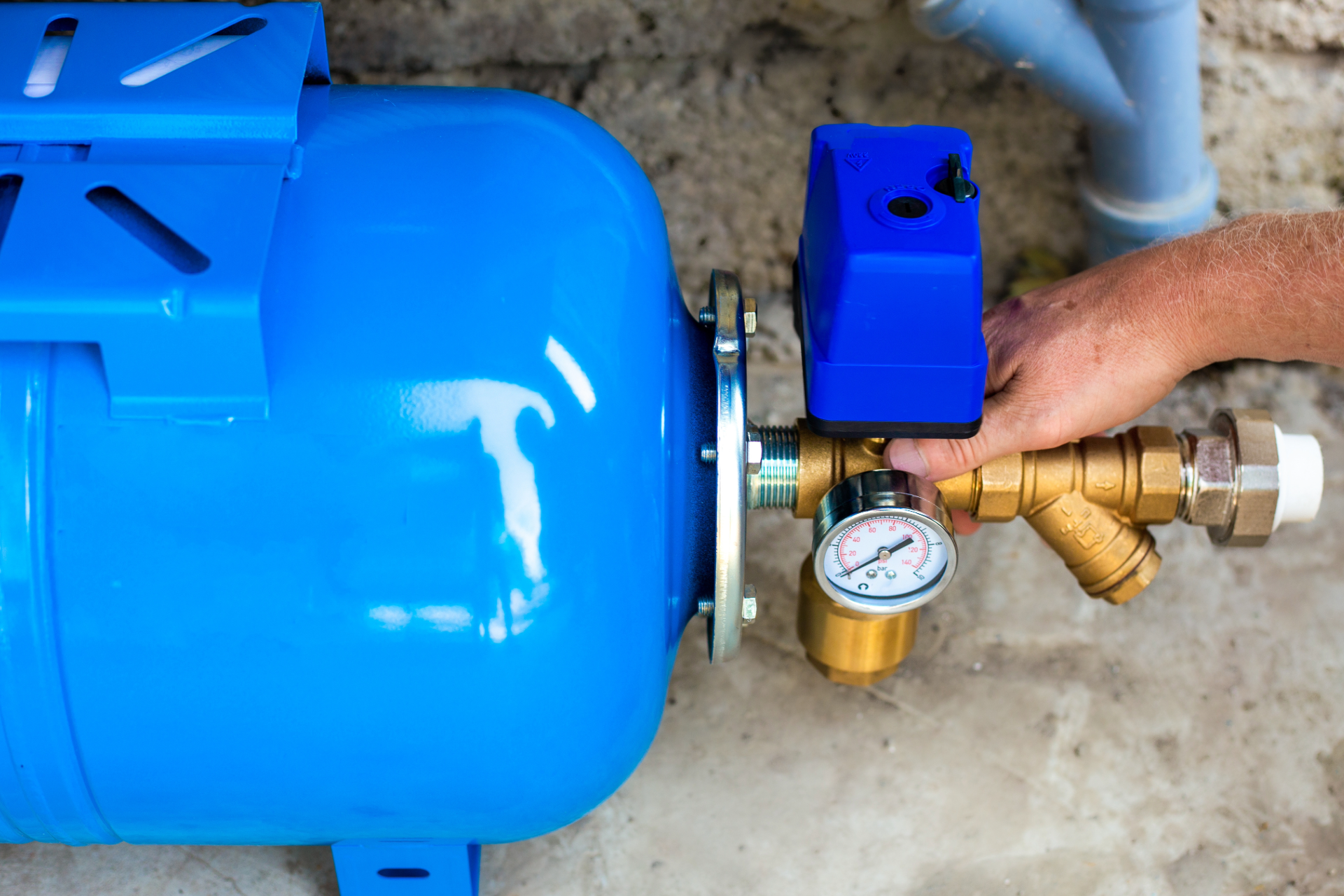
Booster, submersible, circulation, stormwater — different pumps do very different jobs. SC Pumps breaks down the functions & how to match the right type to the job.
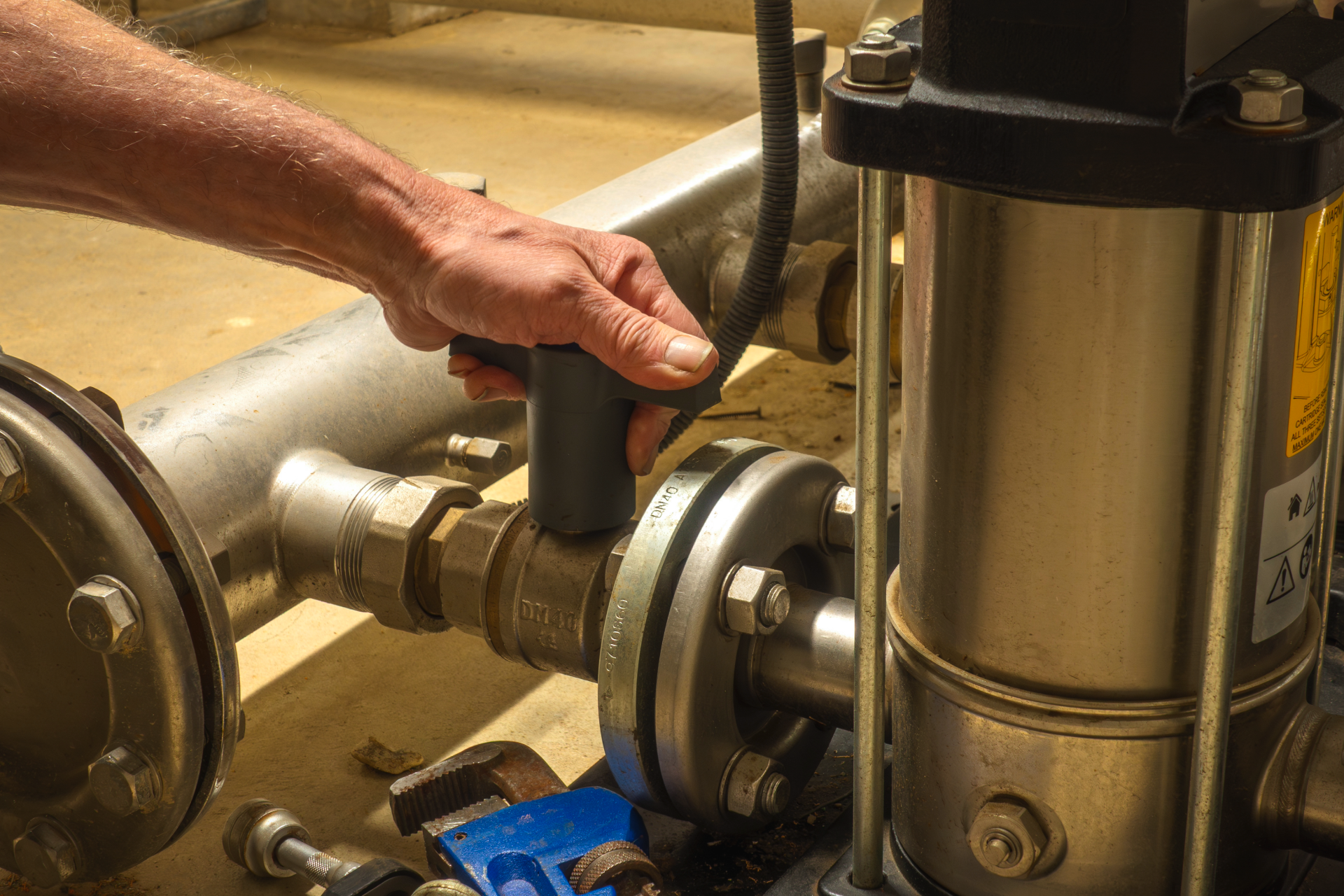
Ground floor gets great pressure. Level fourteen doesn't. SC Pumps explains how to size, back up and maintain water supply pumps that hold up on every floor.