
Low Water Pressure in Your Building? A Booster Pump Could Be the Answer
Sydney Central Pumps • April 20, 2026
If residents or tenants are complaining about weak showers, slow-filling cisterns, or water that barely trickles from upper-floor taps, or simply waiting far too long for adequate flow, the culprit is most likely low pressure. It is a common problem in multi-storey strata and commercial buildings across Sydney. And in most cases, a water booster pump or pressure booster pump is exactly what the system needs.
Rather than accepting poor performance as a fact of life, building managers and strata companies have a straightforward pressure boosting solution at their disposal. Understanding how a booster pump works, why pressure drops occur, and what type of system suits your building can save a lot of frustration and avoid costly damage down the track.
What Is a Booster Pump?
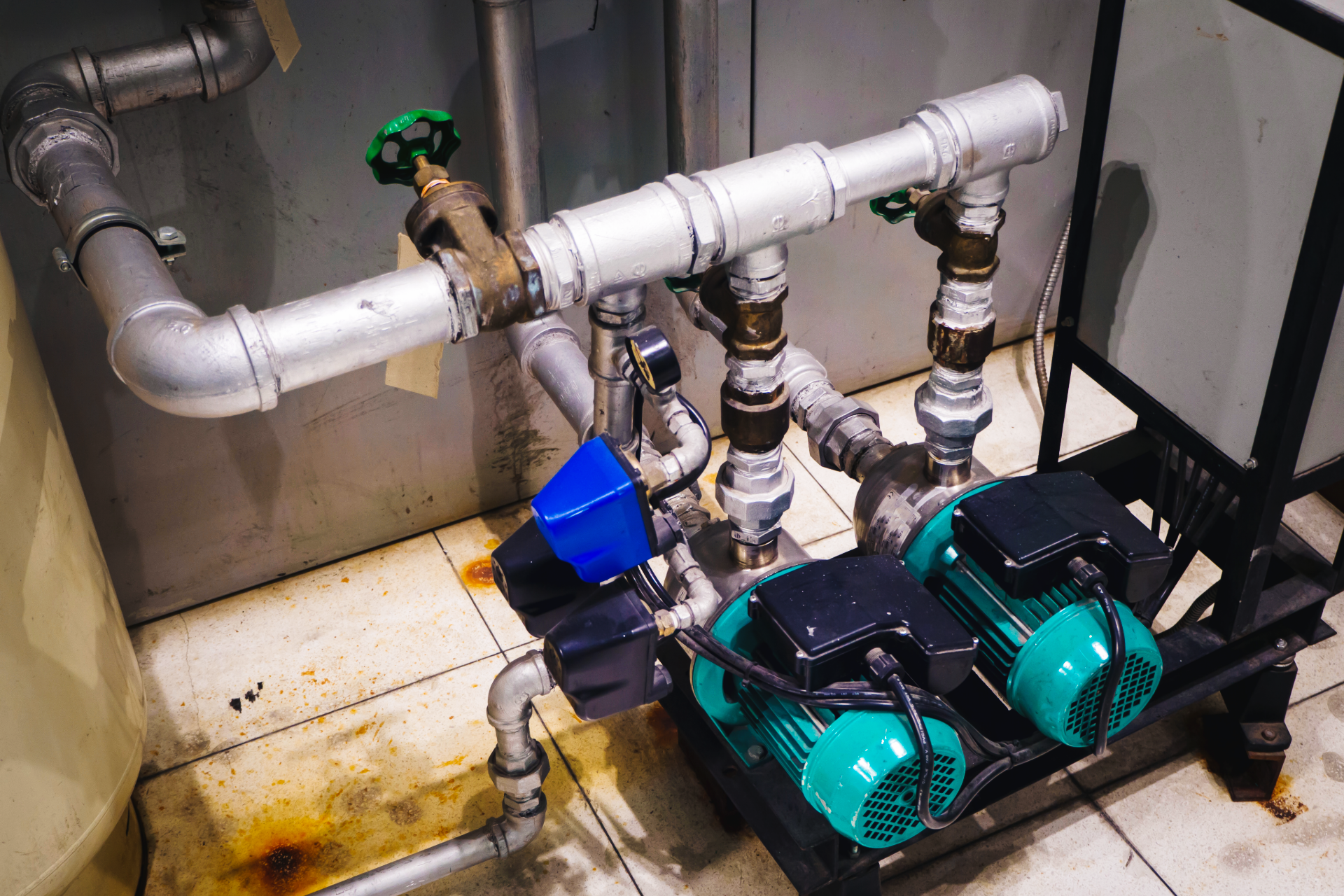
A booster pump is a secondary pump that increases the pressure of water from the main pipeline, functioning as supporting equipment to achieve pressure levels the main supply cannot provide on its own. Technically speaking, pressure boosters are centrifugal pumps that use one or more impellers to boost flow and pressure. The impellers accelerate the fluid's velocity, which is then converted into pressure energy as the water exits the pump.
Many booster pumps are multistage pumps, meaning they contain more than one impeller and cylinder head. This makes them powerful pressure boosters capable of generating significantly higher pressure levels compared to single-stage models, making them the standard choice for multi-storey buildings where water needs to travel significant vertical distances.
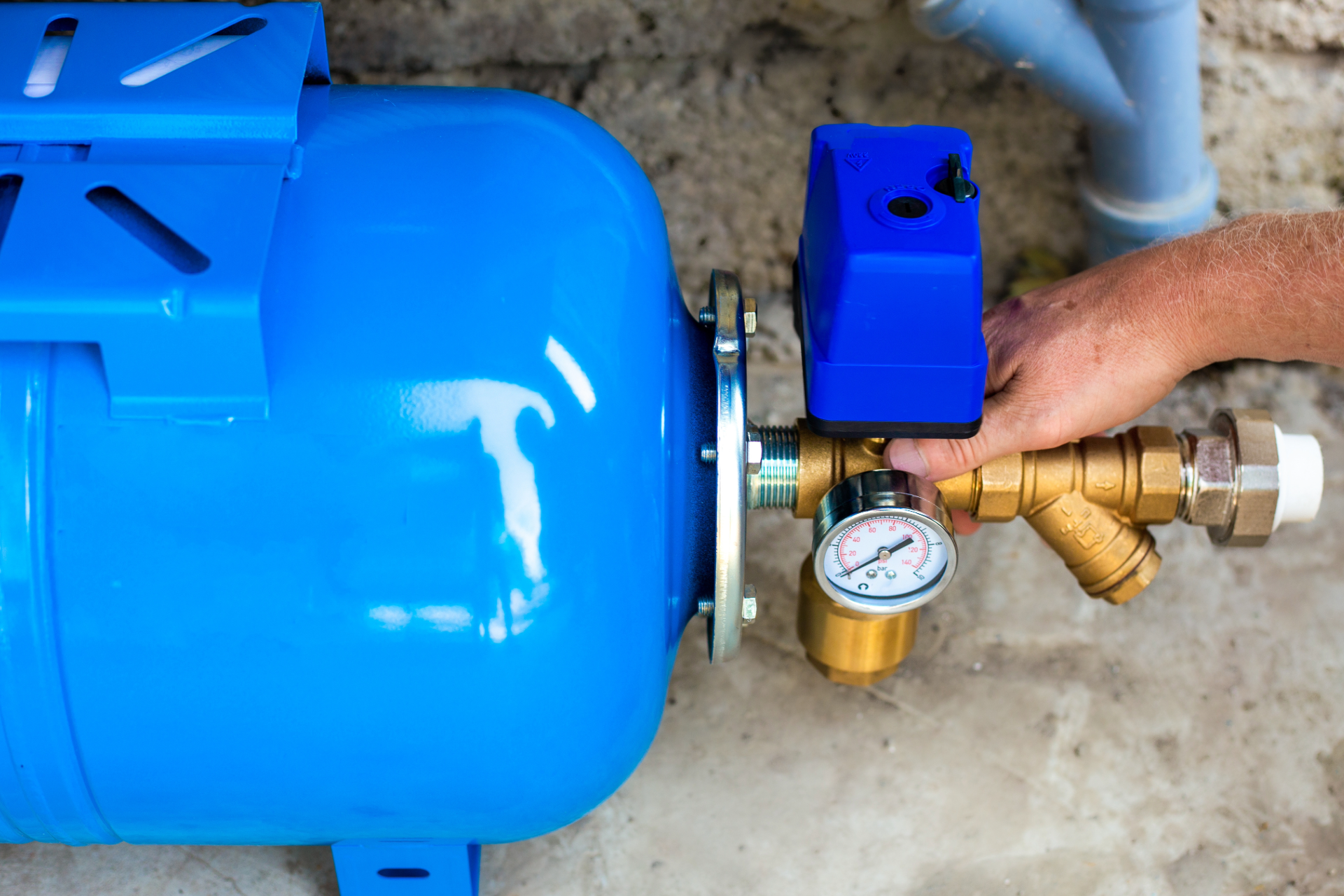
Pressure booster pump systems can also be designed for automatic or manual operation. In each booster system, automatic models use a pressure switch or sensor to detect when water pressure drops below a set threshold and activate the motor accordingly, maintaining consistent flow without any manual input.
Why Does Water Pressure Drop in Buildings?
There are several reasons a building's water supply may lack adequate pressure, and a booster pump can correct most of them.
Elevation is one of the primary culprits. For instance, for every 10 feet of vertical rise, a system loses approximately 0.3 Bar of pressure. In a six-storey building, that adds up quickly, and the municipal supply often cannot compensate for the full height of the structure.
Long pipe runs and narrow pipework also increase resistance throughout the system, reducing water flow and creating low pressure zones before the water reaches its destination. Older strata buildings in particular tend to suffer from this, as original pipe sizing was not always designed to accommodate modern usage demands, whether for drinking water supply, tank systems, or general fixtures.
Peak usage periods compound the problem further. When multiple taps, showers, and appliances are running simultaneously during morning and evening hours, the system is under its greatest load. Without pressure boosting in place, flow can drop to a level that makes normal use difficult, particularly on upper floors. The same principle applies in irrigation systems, where consistent water pressure is essential for efficient distribution across a property.
Choosing the Right Booster Pump for Your Building
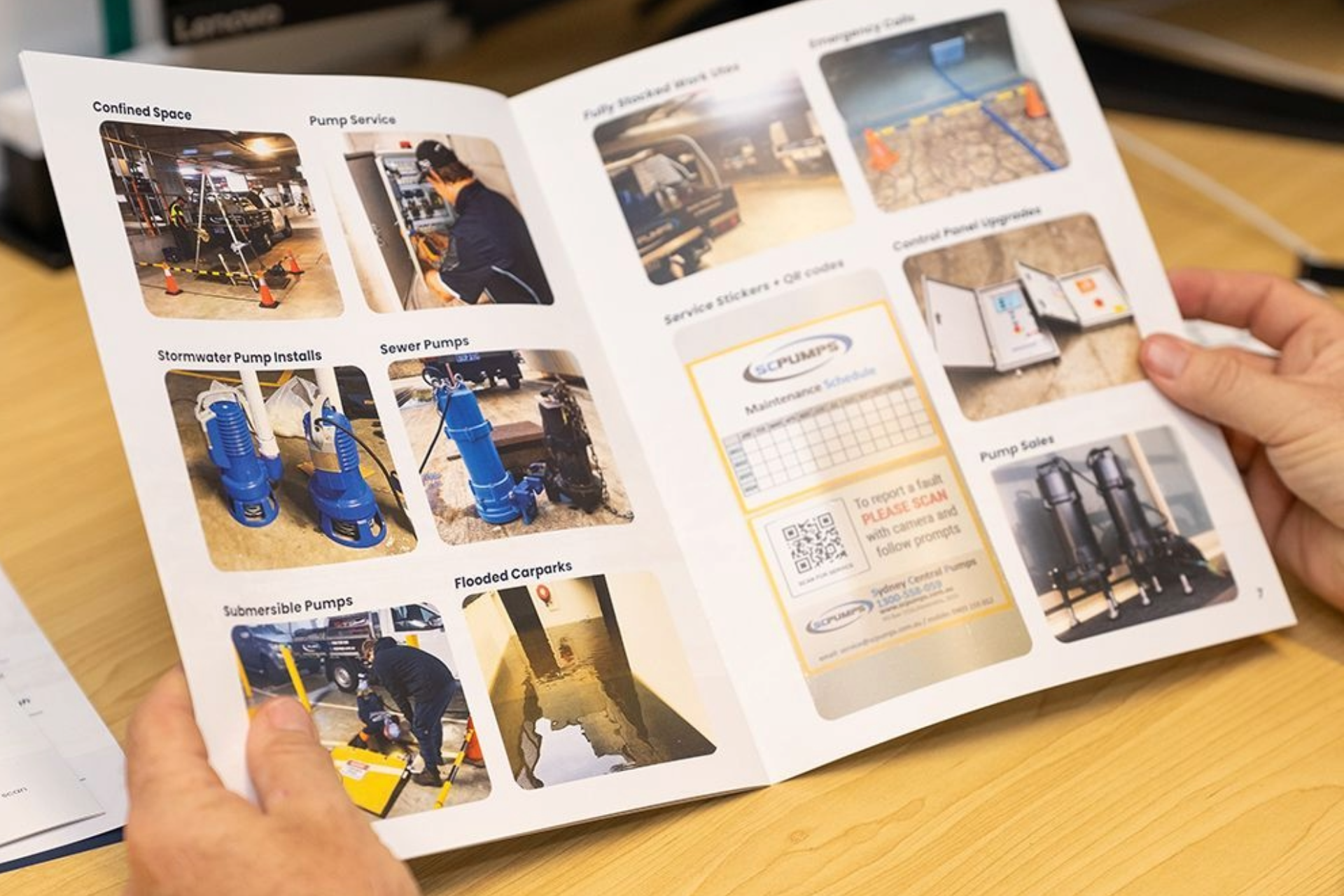
Not all pressure booster pumps are the same, and selecting the right model depends on your building's specific pressure requirements, layout, and available space. This is where professional guidance matters. Whether it is a straightforward upgrade or a more complex pressure boosting system overhaul, speaking with a specialist before committing to booster pump brands and models can prevent expensive mistakes. For buildings across Sydney, our Sydney pump installations team can assess your setup and recommend the right solution.
Constant-Speed vs Variable Speed Drive (VSD)
Pressure boosters generally fall into two categories: constant-speed models and variable speed pressure drive (VSD) models. Constant-speed pumps operate at a fixed rate regardless of demand, while variable speed pressure pumps adjust their motor speed according to actual demand at any given time, making them easy to integrate into any water system.
VSD models are worth serious consideration. They can reduce energy consumption by 20% to 50% compared to constant-speed equivalents, which translates directly into lower running costs for the building.
Space and Noise Considerations
For buildings where space is limited, in-line or compact pressure booster pump configurations can be ideal. These are designed to fit within confined plant rooms without compromising performance, and their ease of installation is a genuine advantage in tight spaces.
Noise is another factor worth considering: if the pump will be located close to occupied spaces, inverter-driven models are recommended, typically operating at around 50 to 55 dB, significantly quieter than standard constant-speed units.
Compatible Brands and Existing Systems
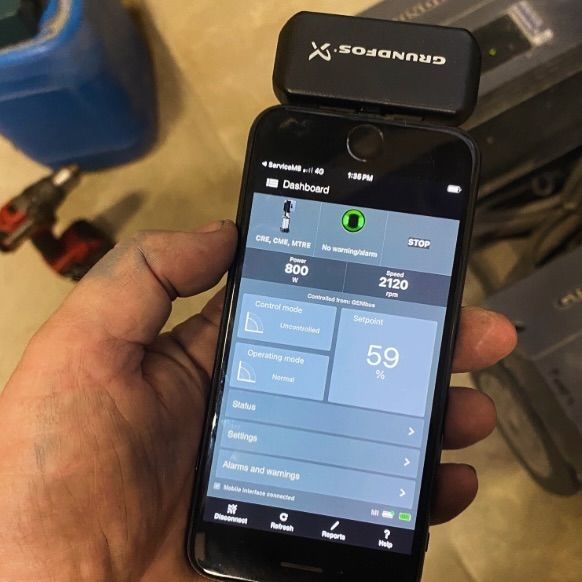
Brands like Grundfos offer a range of speed-pressure options across these categories, giving building managers access to well-engineered pressure boosters suited to commercial and strata applications. Where submersible pumps or a jet pump are already part of the system, a compatible booster can often be added without major disruption.
Keeping Your Pressure Booster Pump in Good Working Order
A well-specified booster pump will serve a building reliably for many years, but pressure boosting equipment does require regular maintenance to perform at its best. Pressure switches, sensors, and motor components should be checked on a scheduled basis to catch wear before it leads to failure. Seals, bearings, and impeller condition all deteriorate over time, particularly in buildings with high water usage or mineral-heavy supply water.
Ignoring early warning signs, such as fluctuating pressure, unusual motor noise, or the pump cycling on and off more frequently than normal, usually leads to more significant damage and higher repair costs. If your building is already experiencing these issues, it is worth addressing them promptly. Our team handles pump repair needs in Sydney across commercial and strata properties, from minor fixes through to full system rebuilds.
Discuss Your Pressure Boosting Needs With a Pump Specialist
Low water pressure is not something building occupants should have to put up with. And in most cases, it is a fixable problem. Whether your building has never had pressure boosters installed, or an existing unit is underperforming, getting the right advice early makes a significant difference to outcome and cost.
Sydney Central Pumps works with strata companies, building managers, and commercial property owners across Sydney to deliver reliable pump solutions backed by genuine technical expertise. Get in touch today to discuss your building's water pressure needs.
There's no single best water pump. It depends on the building. SC Pumps covers the key types, brands and sizing factors for Sydney strata and commercial sites.
Booster, submersible, circulation, stormwater — different pumps do very different jobs. SC Pumps breaks down the functions & how to match the right type to the job.
Ground floor gets great pressure. Level fourteen doesn't. SC Pumps explains how to size, back up and maintain water supply pumps that hold up on every floor.