
What Building Managers Should Check Before Storm Season
Sydney Central Pumps • March 26, 2026
Storm season arrives every year with predictable timing but unpredictable intensity. The difference between a minor inconvenience and a major flooding disaster often comes down to what you checked beforehand. This practical checklist helps building managers verify their stormwater systems are ready.
Test Run Your Pumps
Don't wait for the first storm to discover your pump isn't working. Run a test now. Fill the pit with water using a hose. Watch the pump activate. Listen to how it sounds.
A healthy pump starts smoothly. It runs without unusual noise. It clears the water at a steady rate. The float switch triggers properly. The pump stops when water levels drop.
Any hesitation, grinding noise, or failure to start needs immediate attention. These problems only get worse under storm conditions. Fix them now while you have time.
If you are unsure what to look for or have any doubts about performance, contact a qualified pump specialist to inspect your Sydney system and confirm it is operating as it should.
Inspect and Clean Screens
Debris screens protect your pump from damage. But they only work if they're clear. Remove any accumulated leaves, plastic bags, or rubbish.
Check screen condition while you're cleaning. Look for tears, corrosion, or damage. A damaged screen lets debris through to the pump. Replace damaged screens before storm season starts.
Clean screens can still clog quickly during storms. But starting with clear screens gives your system the best chance of coping with heavy debris flow.
Check Float Switch Operation
Float switches tell pumps when to turn on and off. They're critical components. Test them manually by lifting and lowering the float.
The pump should activate when you raise the float. It should stop when you lower it. The action should be smooth and immediate. Sticky or delayed response indicates problems.
Check that float cables aren't tangled. Make sure the float moves freely without obstruction. Verify it's not jammed against the pit wall or caught on debris.
Examine Discharge Pipes
Water must exit the system through discharge pipes. Walk the pipe route if possible. Look for signs of leaks, cracks, or damage.
Check where the pipe exits to street drains or surface outlets. Make sure these exit points are clear. Remove any obstructions. Verify water can flow freely out of your system.
Underground sections can't be visually inspected without excavation. But look for warning signs: soft ground, unexpected wet patches, or unusual vegetation growth along the pipe route.
Verify Backup Power Systems
Power outages often accompany severe storms. Your pump needs electricity to run. Check your backup power arrangements now.
If you have a generator, test it under load. Verify it powers the pump correctly. Check fuel levels. Confirm the automatic changeover works properly.
Battery backup systems need inspection too. Check battery condition. Verify connections are clean and tight. Test the system's runtime under actual pump load.
Review Control Panel Condition
Open your pump control panel. Look for signs of moisture, corrosion, or damage. Check that all indicator lights work properly. Verify settings match your system requirements.
Look for burnt components, loose connections, or evidence of overheating. These issues will cause failure during storms when demands increase.
If you're uncertain about control panel condition, bring in a professional for assessment. Control panels are complex. They need expert evaluation.
Clear Basement Drains
Floor drains in car parks and basement areas connect to your stormwater system. Walk around and check every drain. Remove drain covers and clear any visible debris.
Pour water down each drain. It should flow away quickly. Slow drainage indicates partial blockage. Clear these now before storms wash more debris into already compromised drains.
Pay special attention to drains near doorways, ramps, and low points. These areas collect the most debris and face the highest water flow during flooding.
Inspect Pit Access
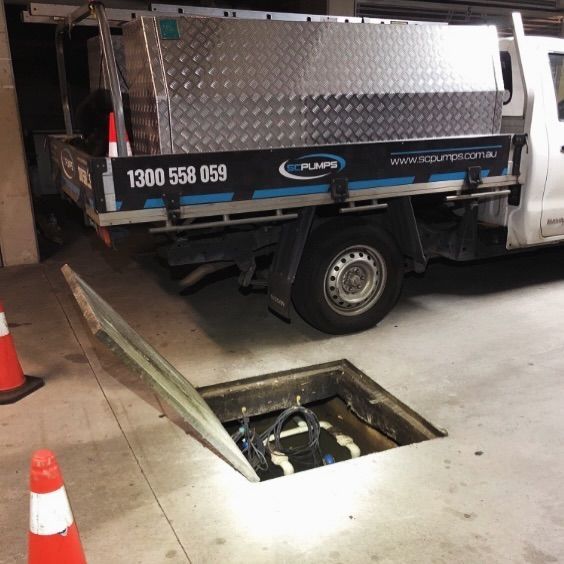
You might need to access the pump pit during or after a storm. Check that access covers open easily. Verify you have the right tools to remove them.
Look inside the pit. Check water level. A pit that's already partially full before any rain indicates drainage problems or pump issues that need addressing.
Check pit structural condition. Look for cracks in concrete. Check for signs of erosion or settlement. These issues allow
groundwater intrusion and reduce pit effectiveness.
Test Alarm Systems
Many pump systems have alarm notifications. They alert you when water levels are too high or when pumps fail. Test these alarms before storm season.
Verify that alarms actually notify the right people. Update contact lists. Make sure messages get through. An alarm that nobody hears serves no purpose.
Consider adding alarms if your system doesn't have them. Early warning of pump failure or high water can prevent major flood damage.
Document Pump Age and Service History
Know when your pump was installed. Check when it was last serviced. Pumps have finite lifespans. Older pumps are more likely to fail during high-demand periods.
Review service records. Look for recurring issues. Pumps that need frequent repairs might be approaching end of life. Consider replacement rather than risking failure during storm season.
If service records are incomplete or missing, arrange professional inspection. Get a baseline assessment of your system's condition. Qualified pros like SC Pumps can assess the overall health of your
stormwater pump in Sydney, confirm remaining service life, and identify risks before they turn into costly breakdowns during heavy rain.
Check Surrounding Drainage
Walk around your building exterior. Check that ground surfaces slope away from the building. Water should flow away, not towards your basement.
Look at gutters and downpipes. Clear any blockages. Make sure downpipes direct water to drains, not against building foundations.
Check that nearby street drains are clear. Blocked street drains cause water to pool around your building. This increases the load on your internal drainage system.
Verify Parts Availability
If your pump fails during storm season, replacement parts might be hard to get. Everyone needs the same components at the same time. Suppliers run out of stock.
Identify critical spare parts for your system. Consider keeping spares on hand: impellers, seals, float switches. The cost of spares is tiny compared to flood damage costs.
Make sure you have contact details for emergency pump services. Don't search for help in the middle of a crisis. Know who to call before you need them.
Review Emergency Procedures
Document what to do if flooding occurs. Who gets notified? What are the evacuation procedures? Where are water shutoffs and electrical isolators?
Make sure building staff and security personnel know these procedures. Update contact lists for emergency services. Verify that multiple people have keys to pump rooms and electrical rooms.
Run through scenarios. What happens if flooding occurs at 3 AM on Sunday? Who responds? How do they access what they need?
Schedule Professional Inspection
Some checks require professional expertise. Electrical safety, pump performance testing, and system capacity assessment need qualified technicians.
Schedule pre-season inspection with pump specialists. They'll identify issues you might miss. They can perform detailed diagnostics. They'll provide recommendations for any needed repairs or upgrades.
Professional inspection before storm season gives you time to address problems. Emergency repairs during storms cost more and provide less reliability.
Get Storm-Ready with Sydney Central Pumps
Storm season is coming. These checks take time, but they're far less disruptive than dealing with basement flooding. A few hours of preparation prevents days of crisis management.
Start your checks now. Don't wait until weather forecasts show storms approaching. That's too late to order parts, schedule repairs, or make improvements.
Sydney Central Pumps provides comprehensive pre-season pump inspections and maintenance for buildings across Sydney. We test pumps, check controls, clean screens, and verify system readiness. Our detailed reports identify any concerns and recommend solutions before storms arrive.
Get your building ready for storm season. Call Sydney Central Pumps on 1300 558 059 or enquire here
to book your pre-season pump inspection. We service properties from Manly to Sutherland and have the expertise to keep your stormwater systems operational when Sydney's weather turns severe.
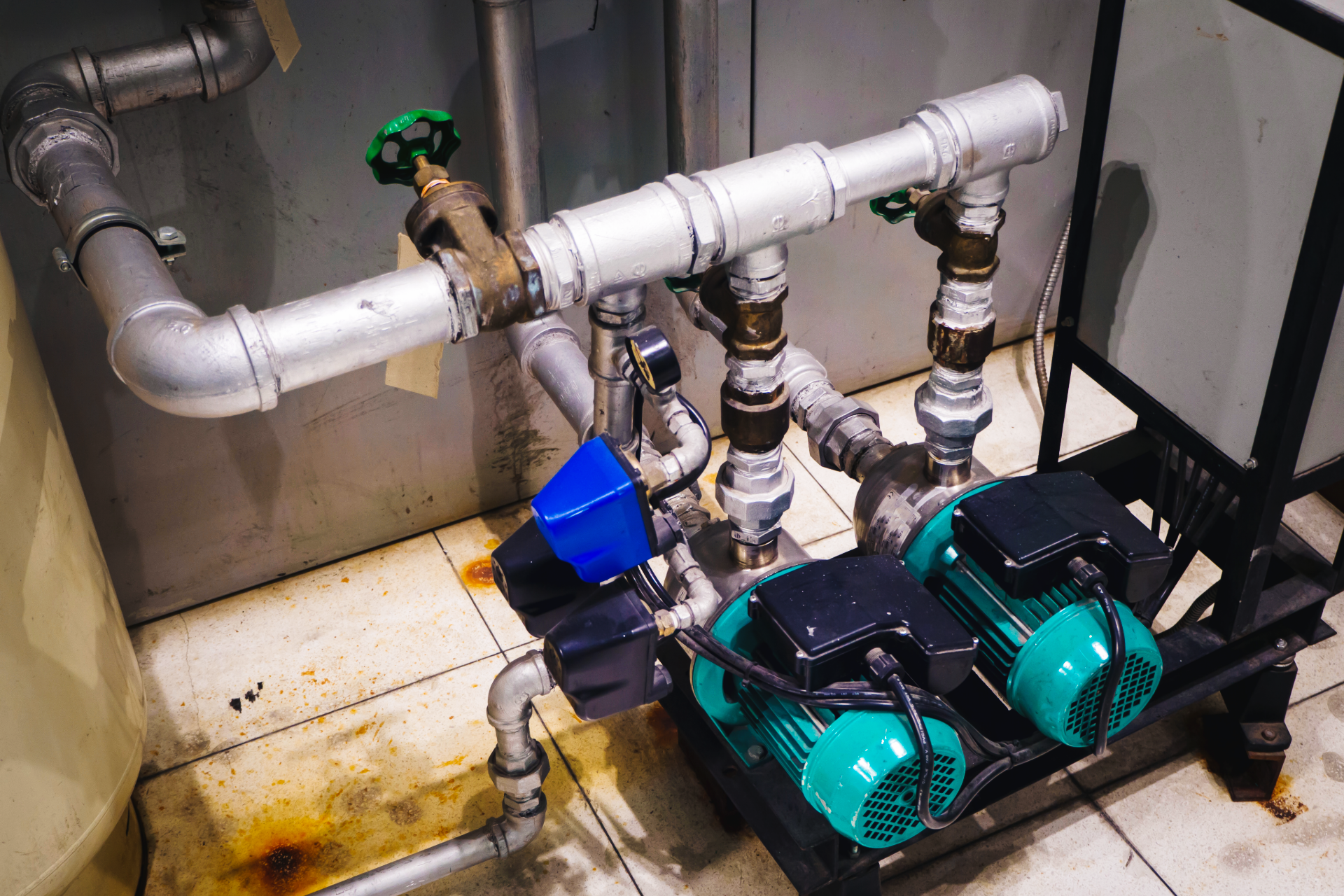
There's no single best water pump. It depends on the building. SC Pumps covers the key types, brands and sizing factors for Sydney strata and commercial sites.
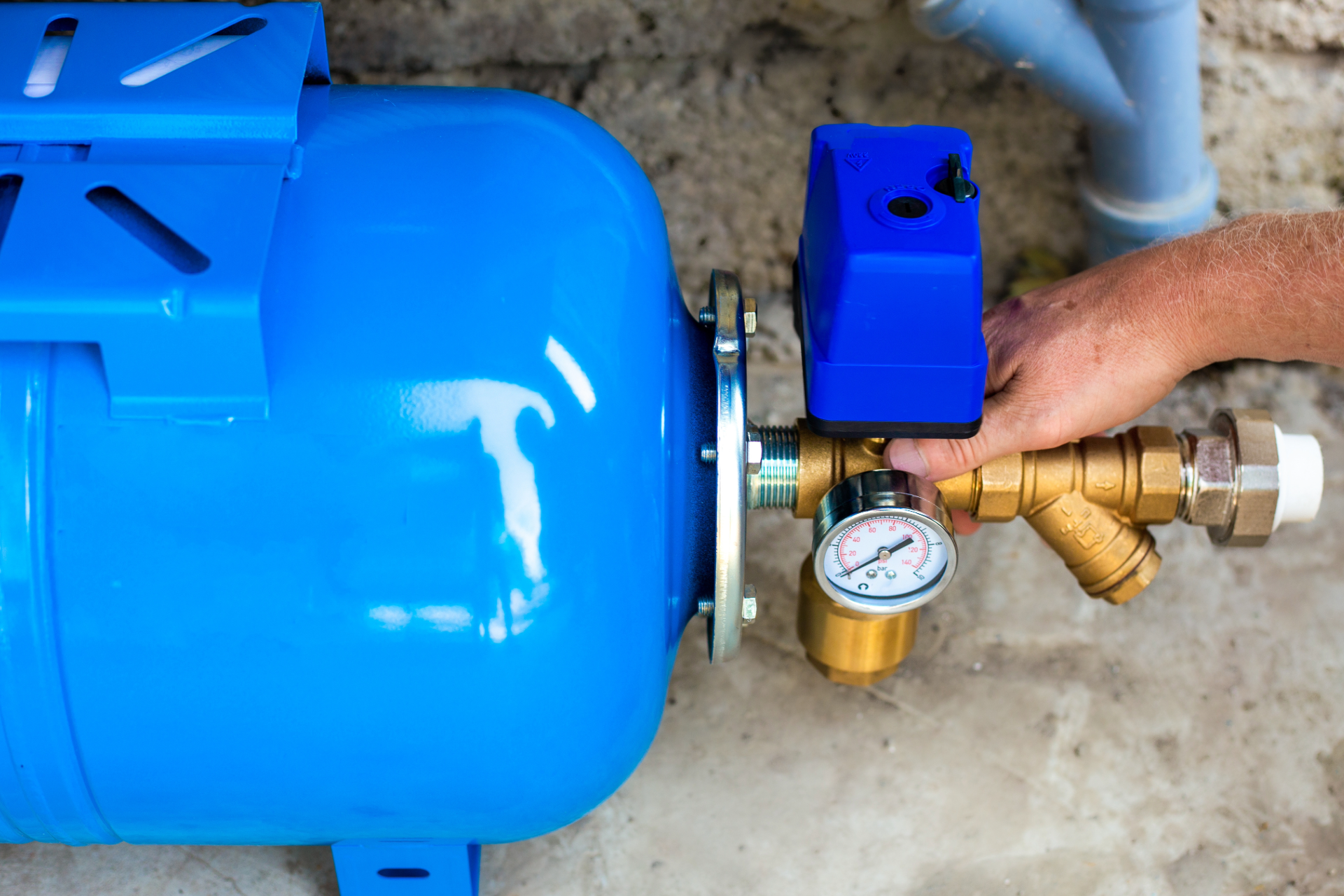
Booster, submersible, circulation, stormwater — different pumps do very different jobs. SC Pumps breaks down the functions & how to match the right type to the job.
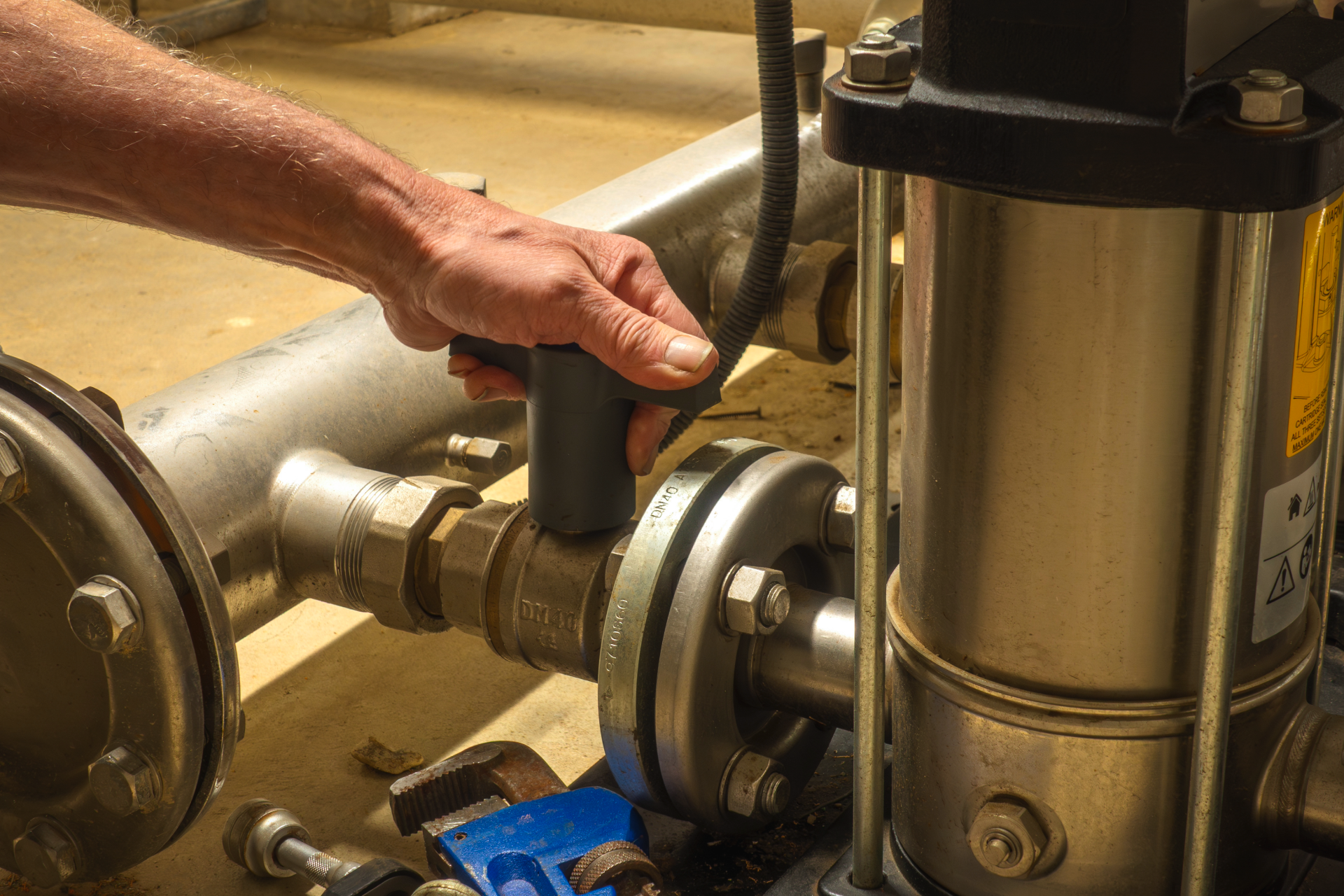
Ground floor gets great pressure. Level fourteen doesn't. SC Pumps explains how to size, back up and maintain water supply pumps that hold up on every floor.