
Water Coming Out of Sump Pump: Common Causes and How to Fix Them
Sydney Central Pumps • June 5, 2026
When water coming out of sump pump ends up somewhere it shouldn't, it's rarely a minor issue. For commercial properties, strata buildings, and industrial sites, it can signal a deeper system failure that puts the entire facility at risk. A spray at a discharge joint, water pooling around the pit, or a sump pump that won't stop cycling, the cause is rarely obvious at a glance. And the symptoms don't always point to the same problem.
What follows breaks down the most common reasons water escapes a sump pump system in the wrong place, how to track down the source, and what fixes actually hold up long-term.
Signs That Water Is Coming From the Sump Pump
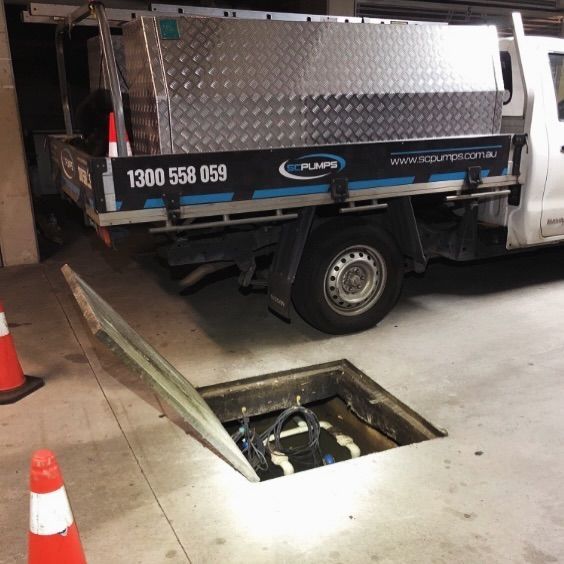
In commercial and strata buildings, the sump pump is often in a plant room, a confined pit, or a drainage riser, so problems can go unnoticed until they're serious.
Watch for water pooling near the pit or discharge line, visible spray from pipe joints, the pump running almost continuously even during dry weather, unusual motor noise, or a pump alarm triggering without an obvious flood event. Catching these early is significantly cheaper than dealing with the damage caused by a failed motor or structural water damage.
Common Causes of Water Coming From a Sump Pump
High Groundwater and Sump Pit Water Levels
During prolonged wet weather, saturated ground and waterlogged surrounding soil generate significant hydrostatic pressure against footings and below-slab structures. The pit collects excess water continuously, and the sump pump runs almost without pause. When inflow exceeds what the pump can discharge, water backs up or the motor overheats from constant operation. An undersized pump makes this worse. A pump too small for the site's drainage load will run constantly and still fail to keep up.
In severe cases, the sump pit will fill faster than the pump can clear it, allowing water to overflow the rim entirely. This is typically a sign that either the pump capacity is insufficient for the site, or that drainage conditions around the building's foundation have changed significantly.
Blocked Discharge Pipe
The discharge pipe carries water away from the sump pump to a safe expulsion point. If it becomes blocked by debris, root intrusion, or a collapsed fitting, back pressure builds inside the entire system. A blocked outlet pipe can cause significant water pressure buildup, forcing water back through leaking connections or reversing flow into the pit. The most common culprits in Sydney are clogs, poor fall on the pipework, or substandard initial installations.
In cooler climates or elevated sites, the discharge line can also freeze during cold snaps. Using heat tape around exposed sections of the line (particularly at bends and outlets) and making sure the line is properly insulated are standard measures to prevent freezing and maintain flow.
Faulty Check Valve Causing Backflow
A check valve is a critical component that prevents water already pumped out from flowing back into the pit. When it fails, discharged water simply drains back down the line and re-enters the pit, causing the sump pump to reactivate repeatedly. A small amount of dripping at the PVC pipe's weep hole is normal (it allows air to escape and prevents airlocks), but if water is flowing freely, a broken or seized check valve is the likely cause.
Malfunctioning Float Switch Causing Continuous Running
The float switch turns the pump on and off based on water level in the pit. As water rises to a certain point, the float triggers activation; as it drops, the pump cuts off. A stuck or failed switch can keep the sump pump running even when the pit is empty, or fail to trigger it when water levels rise. Continuous dry running is particularly damaging. A pump running without water to cool the motor risks burnout quickly. If a pump is running nonstop and the pit is empty, it should be taken offline immediately.
Leaking or Loose Discharge Pipe Joints
Sump pump pipes frequently develop cracks or loose joints over time, especially in older installations or those exposed to vibration from nearby machinery. Couplings, unions, and elbows are particularly vulnerable. Wear and tear on these connections will typically create water accumulation in enclosed plant rooms, leading to corrosion, mould, and electrical hazards. Inspect the inlet and full length of the discharge line regularly. Cracks or loose fittings are a direct source of water spray that can go unnoticed for extended periods.
Improper Installation, Wrong Pump Size, or Ageing Equipment
A sump pump installed without proper assessment of the site's drainage loads, or one that has aged past its reliable service life, will exhibit problems that maintenance alone can't resolve. Common installation errors include undersized pumps, incorrect discharge plumbing, missing check valves, and float switches set at the wrong trigger level.
Older pumps also become less efficient as impellers wear and seals degrade. Excessive wear on internal components means a pump that once handled all the water the site produced may gradually struggle to keep up. When replacement is the right call, we supply and install Davey-brand pumps in Sydney suited to commercial and strata drainage loads.
If there is any doubt about whether a pump is still fit for purpose, a qualified technician verifies this quickly through a load test and visual inspection.
Nearby Construction or Grading Changes
Changes to surrounding land or adjacent construction activity can substantially alter how groundwater and stormwater flows toward a building. Re-grading, new impervious surfaces, or excavation for neighbouring developments can direct significantly more water toward a structure's foundation than the existing sump system was designed to manage. If problems emerged following nearby construction or yard and landscape changes, the root cause may be hydraulic rather than mechanical.
In these situations, the sump pump is simply being asked to do more than its original design intended, and no matter how well it is maintained, the underlying drainage issue must be addressed as well.
How to Diagnose Where the Water Is Coming From
What to Look For
Observe the system under normal operating conditions where it is safe to do so. A sump pump running continuously with water in the pit points to capacity or float switch issues. Spray visible at a joint points to a discharge pipe problem. Water appearing at the pit rim suggests overflow from the pit itself, which may indicate a crawl space drainage issue, high soil saturation, or a pump that is simply undersized for current conditions.
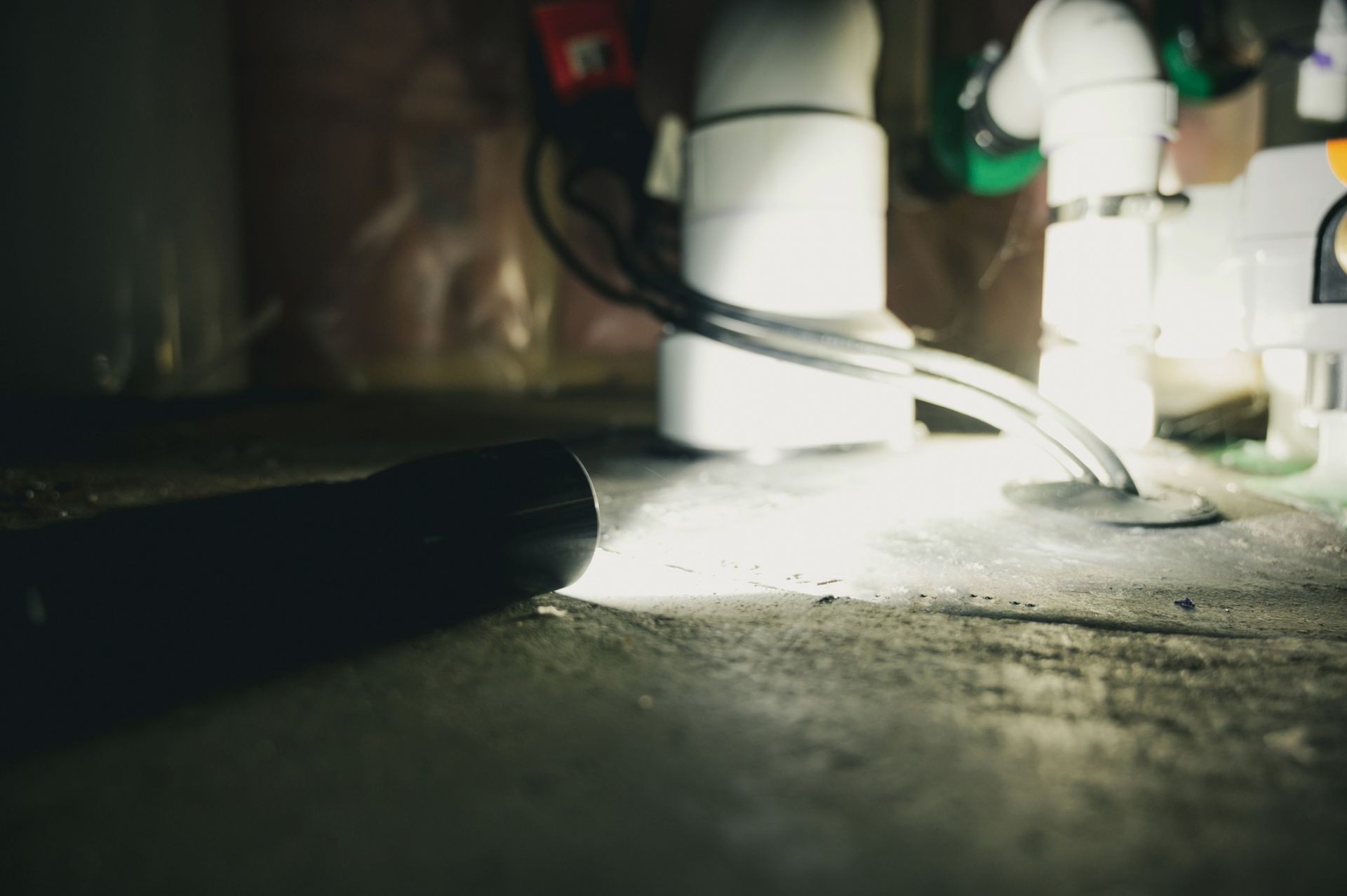
Confined Space Considerations
Any inspection involving confined spaces must comply with safe work procedures, including gas testing and confined space entry protocols. This is a legal requirement for commercial and strata sites in New South Wales, and it is not a matter to be treated casually.
Immediate Temporary Fixes
When a joint is actively spraying, isolate the sump pump if water inflow allows. Pipe repair clamps or self-fusing silicone tape can provide a temporary seal over a small leak while a proper repair is arranged. If the pump is running dry, unplug it immediately to prevent motor failure. The security of the system and the building it protects depends on the pump being in working order, so bypassing or delaying repairs is rarely worth the risk.
Permanent Repairs and Upgrades
Check Valve and Float Switch
Backflow confirmed? Replace the check valve with a correctly rated unit for the system's operating pressure and flow. Float switch failures warrant a full replacement, not a workaround.
Discharge Pipework
Cracked or leaking discharge pipework should be cut out and replaced with properly glued or clamped sections. Sealants alone won't hold a pressurised line. In exposed or unheated areas, apply heat tape and appropriate insulation to the discharge line to prevent freezing, and verify the line's fall and outlet point are clear of obstructions.
Monitoring and Redundancy
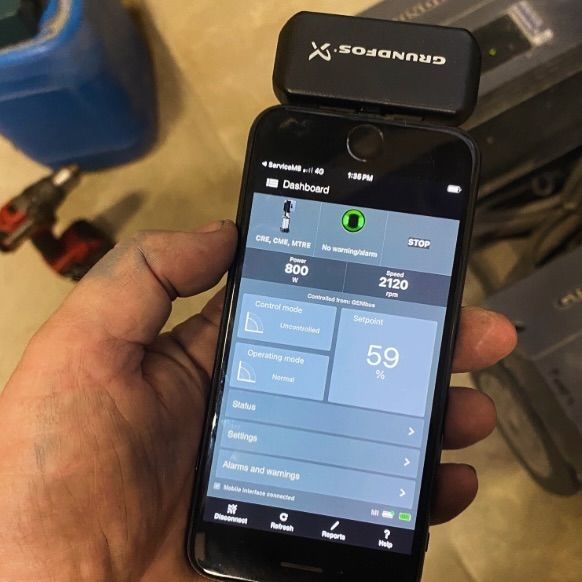
A pump alarm, or level monitoring integrated into the building management system, provides early warning before heating of the motor or overflow becomes a problem. For sites with significant drainage loads, a duty/standby pump configuration offers redundancy that a single pump cannot.
Drainage and Groundwater
Where changed drainage patterns are the root cause, surface regrading and properly designed subsoil or stormwater drains address the problem in the yard and at the source, rather than asking the sump pump to compensate indefinitely.
Maintenance and Prevention
Regular sump pump maintenance is the most effective way to avoid unexpected failures. For commercial and strata buildings, an inspection program every three, six, or twelve months keeps the pump in reliable condition.
During each sump pump maintenance service, a technician should check that the float switch turns at the correct level, inspect the check valve, test the pump under load, verify electrical connections and the pump's amp draw against its rated specifications, check the control panel and any alarms, inspect the inlet screen or strainer, examine discharge pipework for cracks and loose fittings, and clean the sump pump basin.
A clean sump basin helps prevent clogs from forming at the pump intake and reduces the risk of pressure-related leaks. Keeping the basin clear of debris and sediment buildup also protects against the kind of gradual wear that shortens the working life of the pump.
Local Codes, Safe Discharge Practices, and Liability
Sump pump discharge in New South Wales is subject to local council requirements and stormwater management regulations. Discharging pump water to a street kerb, neighbouring property, or waterway without appropriate drainage infrastructure may constitute a compliance breach and can expose building owners and strata managers to liability.
Discharge should be directed to an approved stormwater outlet or council-approved connection point. Where any doubt exists about compliance, a professional assessment before repairs or upgrades are carried out presents the opportunity to rectify non-compliant configurations at the same time.
When to Call a Professional Pump Specialist
Most sump pump issues in commercial and strata settings benefit from assessment by water pump experts in Sydney, particularly where the system involves confined spaces, control panel integration, or duty/standby configuration. Recurring faults, pumps nearing the end of their service life, or water damage that has already occurred all warrant specialist involvement.
Sydney Central Pumps works exclusively with commercial, industrial, and strata properties across Sydney and surrounding areas. The team carries out sump pump inspections, repairs, replacements, and full system upgrades, including confined space entries and strata building management programs. If a sump pump on your site is showing any of the signs described above, getting a qualified specialist in promptly is the most reliable way to protect the asset and prevent further damage.
Call SC Pumps on 1300 558 059 or request a quote online.
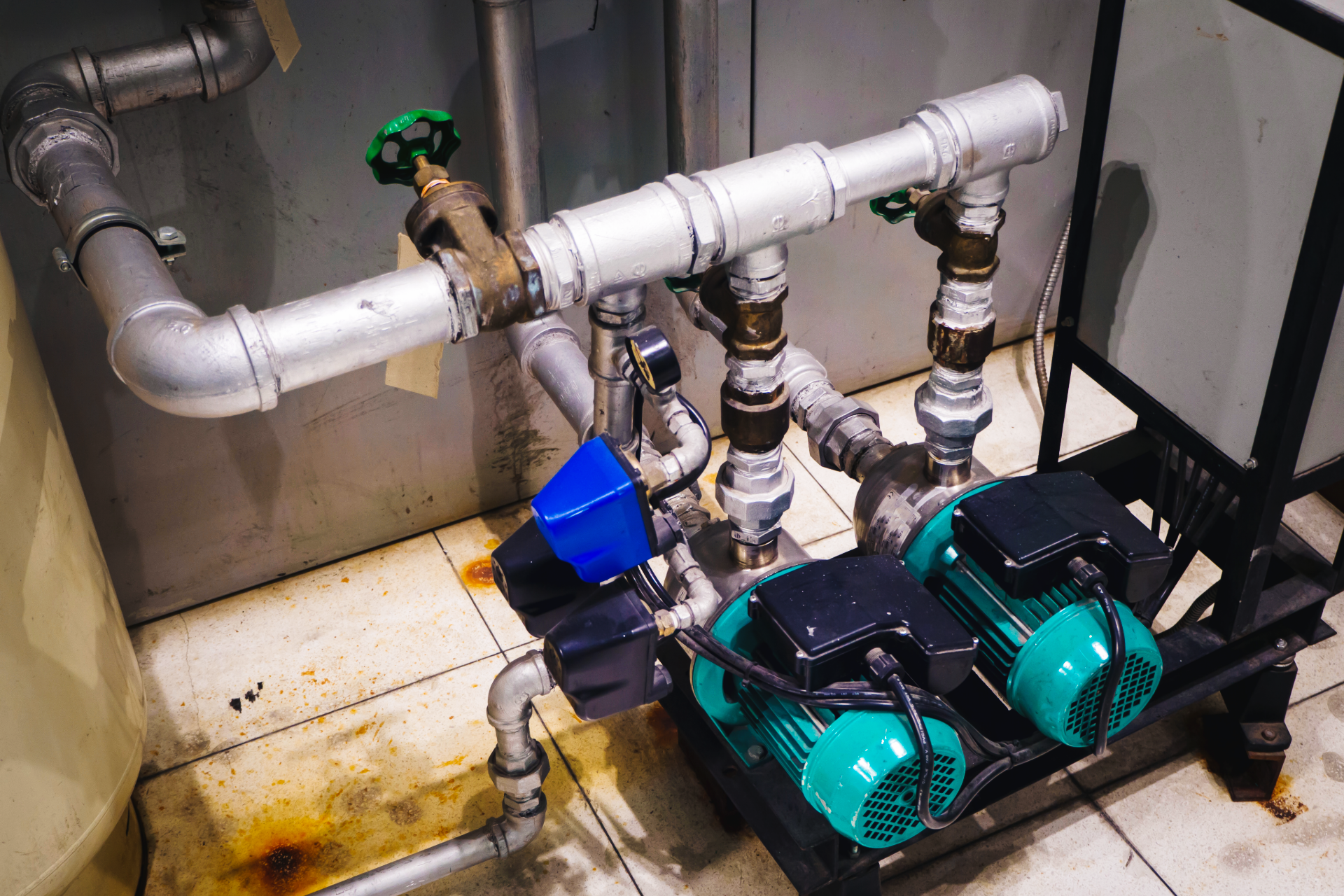
There's no single best water pump. It depends on the building. SC Pumps covers the key types, brands and sizing factors for Sydney strata and commercial sites.
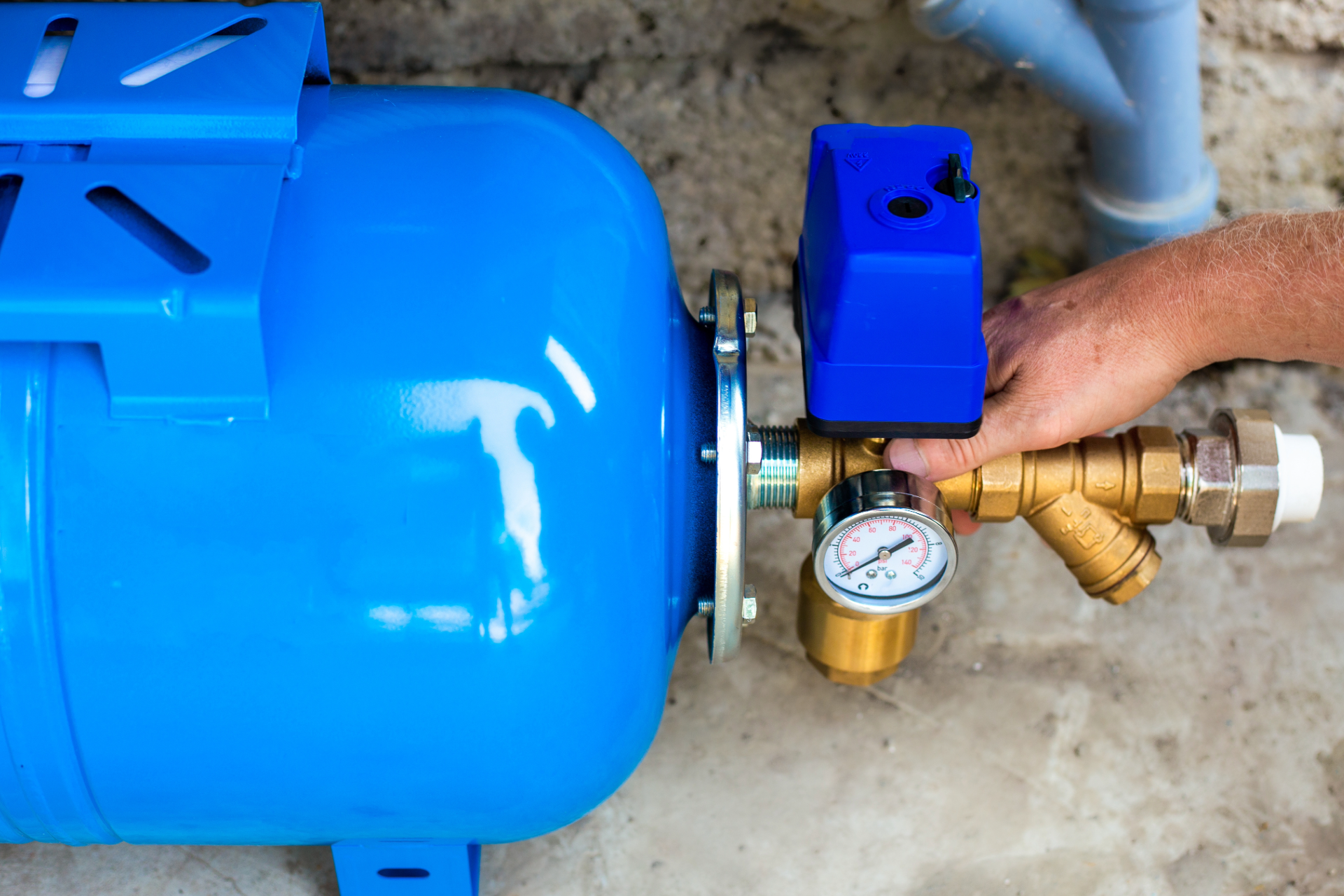
Booster, submersible, circulation, stormwater — different pumps do very different jobs. SC Pumps breaks down the functions & how to match the right type to the job.
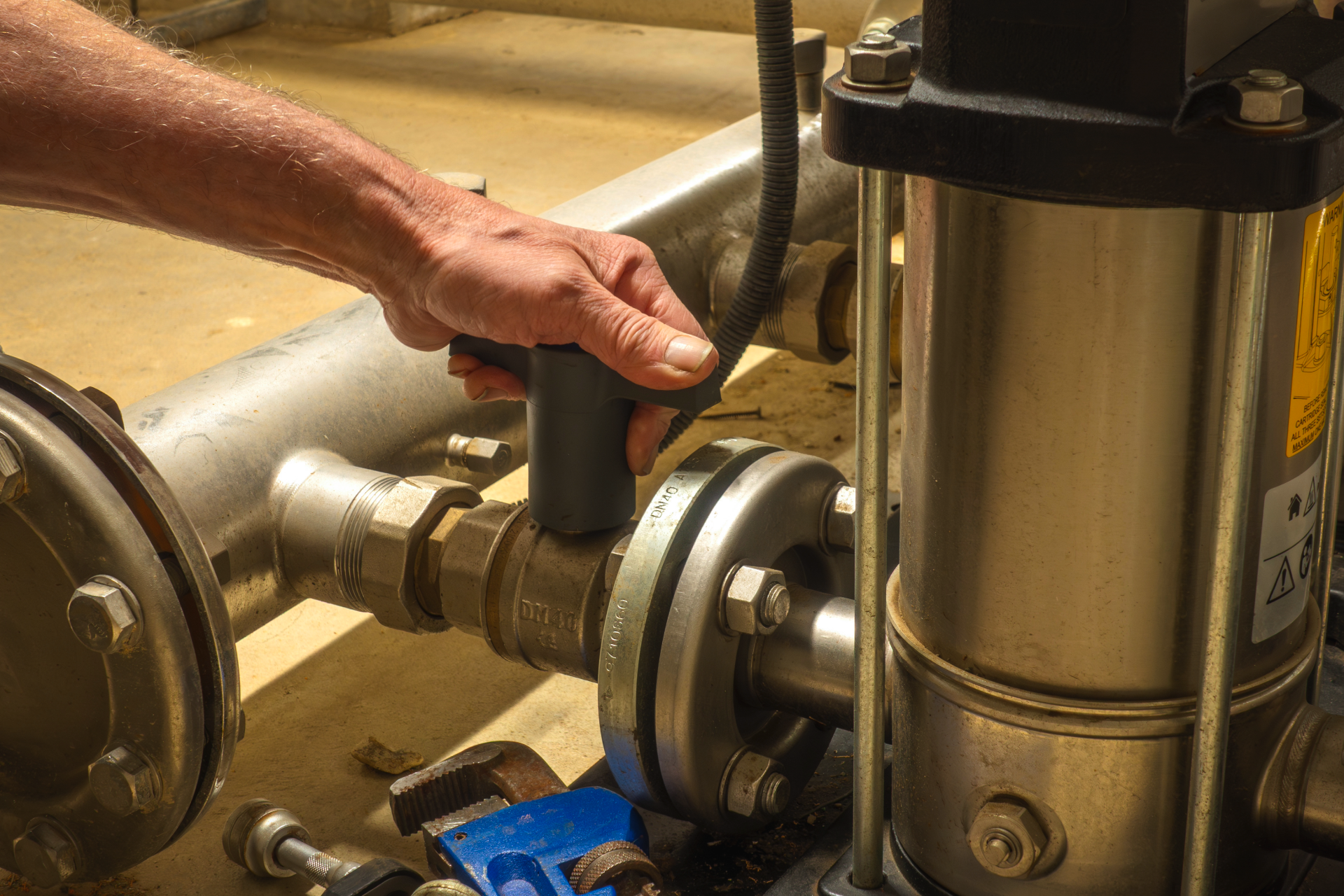
Ground floor gets great pressure. Level fourteen doesn't. SC Pumps explains how to size, back up and maintain water supply pumps that hold up on every floor.