
What Does a Submersible Pump Do? How They Work and Where They're Used
Sydney Central Pumps • November 13, 2026
Most submersible pumps go unnoticed. They sit at the bottom of a pit under a basement car park or a plant room, out of sight, until the day one stops and the water starts rising.
So, what does a submersible pump do? In short, its main purpose is to sit fully underwater and push liquid up and out to where it needs to go. That might be stormwater from a car park, sewage from below-ground amenities or groundwater from a construction site.
In this blog post, we discuss how submersible pumps work, what's inside them, where they're used, and what it takes to keep one running reliably in a commercial or strata building.
What Is a Submersible Pump?
A submersible pump is a pump with a hermetically sealed motor that operates fully submerged, below the fluid surface in the pit or tank it's draining. Instead of sitting beside a pit or tank and drawing liquid up a suction line, it sits at the bottom of the pit and pushes the liquid up through a discharge pipe.
Submersible Pumps vs External Pumps
That's the key difference from surface-mounted or external pumps. An external pump sits above the water and relies on suction. It creates a partial vacuum in the suction line, and atmospheric pressure pushes the liquid up to fill it. That limits how far it can lift. Even in theory, suction can only lift water about 10.3 metres at sea level, and in practice the limit is closer to 7 to 8 metres. A submersible pump isn't bound by that limit because it pushes from below rather than pulls from above, which is why submersible pumps excel in deep pits, sumps and deep wells.
The submerged nature of the pump helps in another way, too. The surrounding fluid draws heat away from the motor, so the liquid it's pumping doubles as its cooling system.
How Submersible Pumps Work
The Pumping Cycle
Most submersible pumps, including the electric submersible pumps used in commercial buildings, are centrifugal pumps. Here's the process in simple terms:
- Liquid collects in the pit - Water or wastewater flows into a pit or sump by gravity.
- A float or level sensor switches the pump on - Once the level reaches a set point, the pump starts.
- The sealed motor drives the impeller - The motor sits in a watertight housing and turns a shaft connected to the impeller.
- The impeller throws liquid outward - As it spins, it gives the liquid kinetic energy, and centrifugal force throws it outward into the pump casing, where that energy becomes pressure.
- Pressure pushes the liquid up the discharge pipe - The liquid travels upward to a sewer connection, stormwater line or other discharge point. A correctly sized pump can handle a high elevation difference between the pit and the outlet.
- The pump switches off - When the level drops, the float switches the pump off until the pit fills again.
Why Submersion Prevents Priming and Cavitation Problems
Because the pump is already sitting in the liquid, the inlet stays flooded. That means submersible pumps don't require priming, unlike external pumps, where air in the suction line can stop them from drawing water. A flooded inlet also largely prevents pump cavitation caused by suction lift. Pump cavitation happens when pressure at the inlet drops so low that vapour bubbles form and then collapse against the impeller, pitting the metal over time.
For a closer look at this process in sewage systems specifically, see our guide on how submersible sewage pumps work.
Inside a Submersible Pump
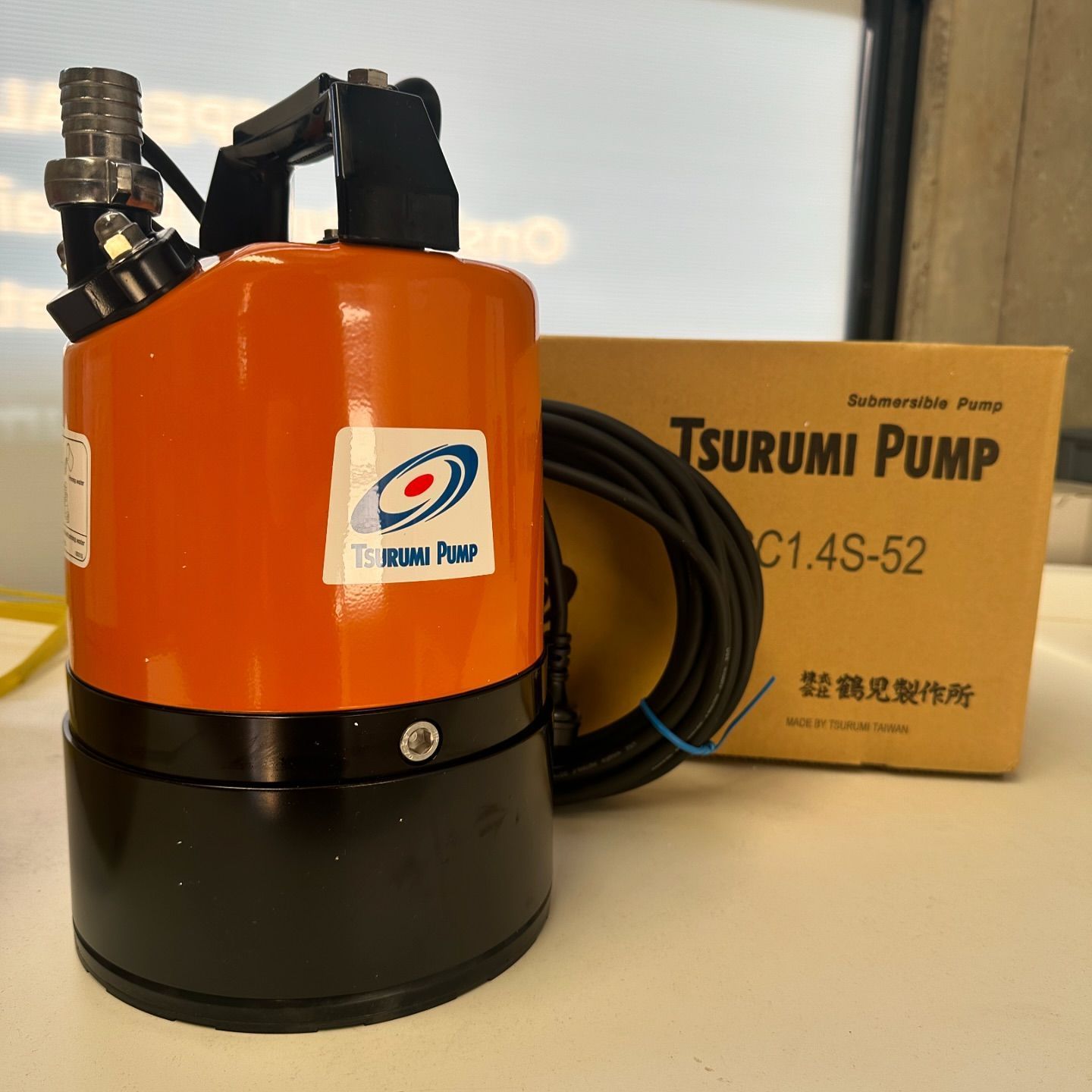
A submersible pump looks like a single sealed unit, built to keep out water and other external elements, but a few key parts do the work:
- Sealed motor housing - The hermetically sealed motor sits in a watertight casing, usually cast iron or stainless steel, that stops water ingress reaching the windings and wiring.
- Mechanical seals - These sit between the motor and the pump end, stopping liquid from tracking along the shaft into the motor. Many commercial pumps have an oil-filled chamber between two seals as an extra barrier. These seals have to hold back the surrounding water pressure, which rises the deeper the pump sits.
- Impeller - The rotating component that moves the liquid. Impeller design decides what the pump can handle, from clean water to sewage with solids.
- Pump body and casing (volute) - The pump body houses the impeller, and the volute casing around it collects the liquid and directs it to the outlet.
- Discharge connection - The outlet where the pump connects to the rising pipe. In commercial pits, this often sits on a guide rail system so the pump can be lifted out without anyone entering the pit.
- Power cable - A waterproof cable that runs from the motor to the control panel or power supply above.
What Do Submersible Pumps Move?
Submersible pumps handle a wider range of liquids than most people expect. The right pump depends on what's in the water.
- Clean and lightly dirty water - Groundwater, seepage and stormwater with fine particles. Drainage and dewatering pumps handle these jobs, and lighter-duty models are suitable for clear water applications such as draining tanks.
- Stormwater with debris - Car park and basement runoff often carries leaves, grit and litter, so the pump needs an impeller that can pass small solids without clogging.
- Sewage and wastewater - Raw sewage from below-ground toilets, laundries and commercial kitchens needs a solids-handling pump with a vortex, channel or cutting impeller to move it on to the sewer or an onsite sewage treatment system.
- Greywater - Water from basins, showers and washdown areas, usually handled by drainage or effluent pumps.
Getting this match wrong is one of the most common reasons pumps clog, overheat or fail early.
Where Are Submersible Pumps Used?
In strata buildings and commercial sites, commercial submersible pumps do a lot of quiet, essential work. They're highly effective anywhere water collects below drainage level:
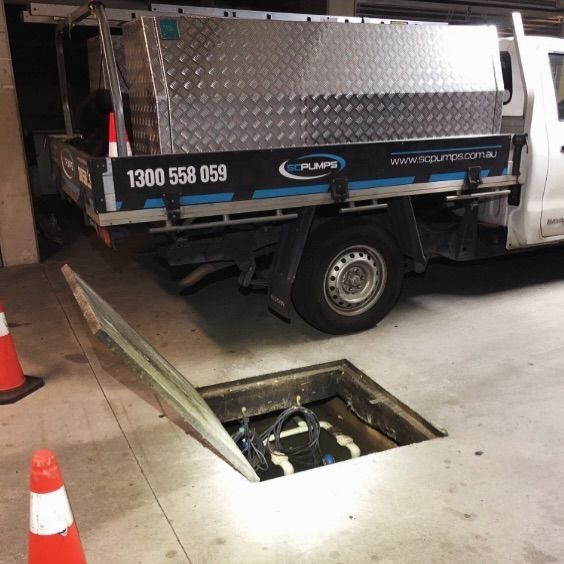
- Basements and underground car parks - Stormwater pits collect runoff from ramps and driveways, and a submersible pump lifts it to the street drainage system.
- Stormwater drainage systems - Where a site sits below the level of the council stormwater line, pumps are the only way to get water out.
- Below-ground amenities - Toilets, laundries and kitchens below the sewer line rely on sewage pumps to lift waste to the gravity sewer.
- Lift pits and plant rooms - Small sump pumps keep water out of lift wells and service areas.
- Floodwater removal - After heavy rain, submersible pumps clear flooded basements, pits and low-lying areas.
- Construction dewatering - Builders use submersible pumps to keep excavations and footings dry when groundwater levels are high or rain gets in.
- Commercial irrigation - Pumps transport water from tanks, ponds or bores to irrigation systems across larger grounds.
Their compact, sealed design also suits confined pits and deep sumps where there's no room for a surface pump.
If you're working out which setup suits your building, our Sydney submersible pump solutions cover supply, installation and servicing.
Common Types of Submersible Pumps
Submersible pumps fall into a few broad groups, each built for a different job. Heavy-duty models are also used in the mining industry and other industrial applications to shift slurry, but those are specialist machines. This guide sticks to the types found in commercial and strata buildings.
Drainage and Dewatering Pumps
Built for clean to lightly dirty water such as stormwater, groundwater and seepage. They're the workhorse for basements, car park pits and construction sites, but they aren't designed for sewage or large solids. Those jobs call for one of the other types below.
Sewage Pumps
Designed to move raw sewage and wastewater with solids. Vortex impellers let solids pass with less clogging, channel impellers suit higher flows, and cutter or grinder pumps break down fibrous material like wipes before it reaches the pipework.
Borehole Pumps
Long, narrow pumps that fit down a bore or well casing to lift water from deep underground for a site's water supply. These differ from drainage pumps, which sit in an open pit and handle shallower, dirtier water.
Portable Submersible Pumps
Lightweight units for temporary jobs such as clearing floodwater, draining a tank or dewatering a site for a short period. They're carried in, dropped in and removed once the job is done.
Submersible Pumps in Wastewater and Sewage Systems
In wastewater management, sewage transfer is one of the most demanding jobs a submersible pump can do. Wastewater carries solids, grease, rags and corrosive gases, and trade waste from industrial processes can add chemicals to the mix. The pump, pit and controls all need to suit those conditions.
A typical commercial sewage pump station includes:
- Duty and standby pumps - Two pumps that alternate, so one can keep running if the other fails or is out for servicing. During heavy inflow, both can run together for extra capacity.
- Solids-handling impellers - Selected for the type of waste the building produces.
- Float switches or level sensors - To start and stop the pumps and trigger a high-level alarm.
- Control panel - Manages power, alternates the pumps and sends alarms to building managers.
- Non-return valves and guide rails - To stop backflow into the pit and allow pumps to be removed without entry.
When a sewage station fails, the result is usually an overflow, a foul smell and an expensive clean-up. That's why these systems benefit most from regular servicing.
Benefits of Using a Submersible Pump
The main advantage of a submersible pump is simple: it works right where the water is. That brings several other advantages:
- Efficient fluid transfer - With no suction line to fight, a well-matched submersible pump moves large volumes efficiently. In deep wells, it can use less energy than external pumps such as jet pumps lifting the same height.
- No priming needed - The pump sits in the liquid, so it starts moving water as soon as it switches on, with no suction line to fill or lose prime.
- Space-saving installation - The pump sits inside the pit, taking up no floor space in the plant room or car park.
- Quiet operation - Being underwater muffles motor noise, which matters in residential strata buildings.
- Natural cooling - The surrounding liquid helps carry heat away from the motor during operation.
- Suited to deep and confined pits - Their compact, sealed design works where a surface pump won't fit or can't lift far enough.
Limitations of Submersible Pumps
The same features that make submersible pumps useful also create a few challenges.
- Harder to access - The pump sits at the bottom of a pit, so inspection and repairs take more effort. Pits without guide rails may need a confined space entry, which adds time, safety controls and cost.
- Seal failure is serious - If the mechanical seals wear and water reaches the motor, the damage can be expensive or terminal.
- Motor repairs are more involved - A hermetically sealed motor usually has to come out of the pit and go to a workshop for rewinding or replacement.
- Cable damage - Power cables can be damaged by abrasion, chemicals or poor handling. A damaged cable can let water track into the motor or trip the power supply.
- Dry running - Because the motor relies on the surrounding liquid for cooling, a pump that keeps running in an empty pit can overheat quickly.
We've seen how tricky access can get. One example is our tight access submersible pump replacement in a confined pump room.
Choosing the Right Submersible Pump
Picking a pump off the shelf based on size or price alone is a common mistake. Proper selection comes down to a few key factors:
- Flow rate - How much liquid needs to move, and how quickly, especially during peak inflow like a heavy storm.
- Pumping head - The total height the pump must lift, plus friction losses through the pipework and fittings.
- Fluid composition - Clean water, stormwater with debris and raw sewage each call for a different impeller and pump design.
- Material compatibility - Corrosive wastewater or chemical runoff may need a stainless steel pump body or coated components.
- Power supply - Single-phase or three-phase, and if the switchboard can handle the starting load.
- Duty cycle - How often the pump will run, and if the site needs a duty and standby setup.
A professional assessment of the site is the most reliable way to avoid an undersized pump, frequent clogs or a motor that burns out early.
If you'd rather leave it to a specialist, our team provides expert pump solutions in Sydney for commercial, strata and industrial properties.
Installing and Operating Submersible Pumps
A good pump installed badly will still fail early. A few installation details make a big difference:
- Correct positioning - The pump should sit level on a firm base or guide rail, clear of silt and debris at the bottom of the pit, with the inlet unobstructed. Keeping the liquid above the manufacturer’s minimum submergence level stops air being drawn in through a surface vortex, and choosing a pump that runs near its design duty point prevents pump cavitation.
- Safe electrical connections - Submersible pumps need correctly rated cabling, waterproof connections and proper circuit protection. Electrical work should always be carried out by a licensed electrician.
- Level controls - Float switches or level sensors start and stop the pump at the right points. A separate high-level alarm warns building managers before the pit overflows.
- Dry-running protection - The off level should be set so the pump stops before the fluid surface drops below the motor. Some pumps and control panels also include thermal or dry-run protection as a backup.
- Non-return valve - This stops liquid in the discharge pipe from flowing back into the pit each time the pump stops.
Maintaining Submersible Pumps
Because submersible pumps work out of sight, problems often go unnoticed until a pump fails during a storm. Regular checks catch most issues early.
Simple Checks Between Services
Building managers and caretakers can keep an eye on a few things without opening the pit:
- Listen for unusual noises, grinding or rattling when the pump runs. A weekly listen is a good habit for critical pits.
- Watch for the pump running more often or for longer than usual.
- Test that the high-level alarm works.
- Report any tripped breakers or warning lights on the control panel.
What a Professional Service Covers
A proper service goes further and should be done by a qualified pump technician:
- Performance checks - Measuring the current drawn on each phase and comparing it with the motor's rated figures. Rising or uneven readings can point to a worn impeller, a blockage or a developing motor fault. Critical, high-use systems may warrant these checks as often as monthly.
- Impeller inspection - Checking for wear, damage and build-up of rags or grease.
- Strainer and inlet checks - Clearing any obstructions from the inlet or strainer, where fitted, so the pump isn't starved of flow.
- Float switch testing - Making sure floats move freely, aren't tangled and trigger at the correct levels.
- Seal condition checks - Inspecting mechanical seals for leakage. On pumps with an oil chamber, checking the oil for water contamination, a common early sign of seal failure.
- Oil changes - Replacing the oil in the seal chamber, typically once a year, on pumps designed with one.
- Pit cleaning - Removing silt, sludge and debris that can block inlets or bury floats.
- Cable inspection - Checking power cables for cuts, abrasion and damage.
Most commercial and strata buildings are well served by a scheduled maintenance programme, which also keeps operational costs predictable, with service intervals set around how hard the pumps work and what's at stake if they fail.
When to Use a Submersible Pump
A submersible pump is the right choice when liquid collects below the point where it can drain by gravity. That covers basement car parks, below-ground amenities, lift pits, stormwater pits, sewage stations and excavations. They're also the better option when the lift is too great for a surface pump, or when there's simply no room beside the pit for one.
Temporary vs Permanent Pumping
It's worth separating temporary and permanent needs. A portable pump is fine for clearing floodwater or dewatering a site for a few weeks. A building that relies on a pump every time it rains needs a permanent system, properly sized, with level controls, alarms and ideally a standby pump.
So, what does a submersible pump do? It quietly keeps water and waste moving out of the places it shouldn't sit. Get the selection right and keep up the servicing, and it'll do that job for years.
Not Sure Your Pump Is Up to the Job? Let’s Take a Look
With more than 15 years in the pump industry, our team has worked on everything from car park stormwater pits to sewage stations under multi-storey blocks. If you're not sure your current pump is the right fit, or it's been a while since anyone looked at it, our team can assess the site and give you a straight answer.
Call us on 1300 558 059 or request a quote and we'll take it from there.
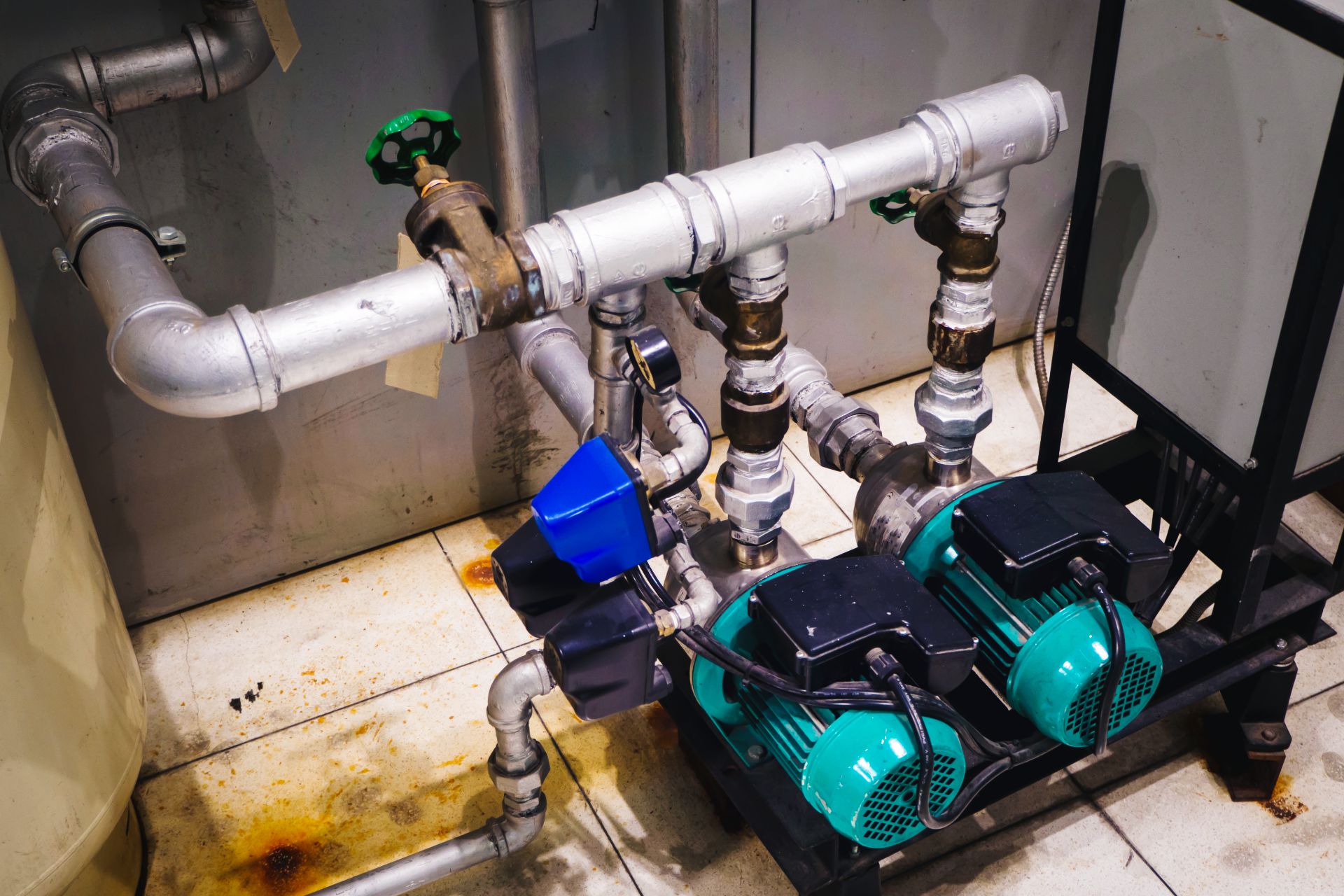
There's no single best water pump. It depends on the building. SC Pumps covers the key types, brands and sizing factors for Sydney strata and commercial sites.
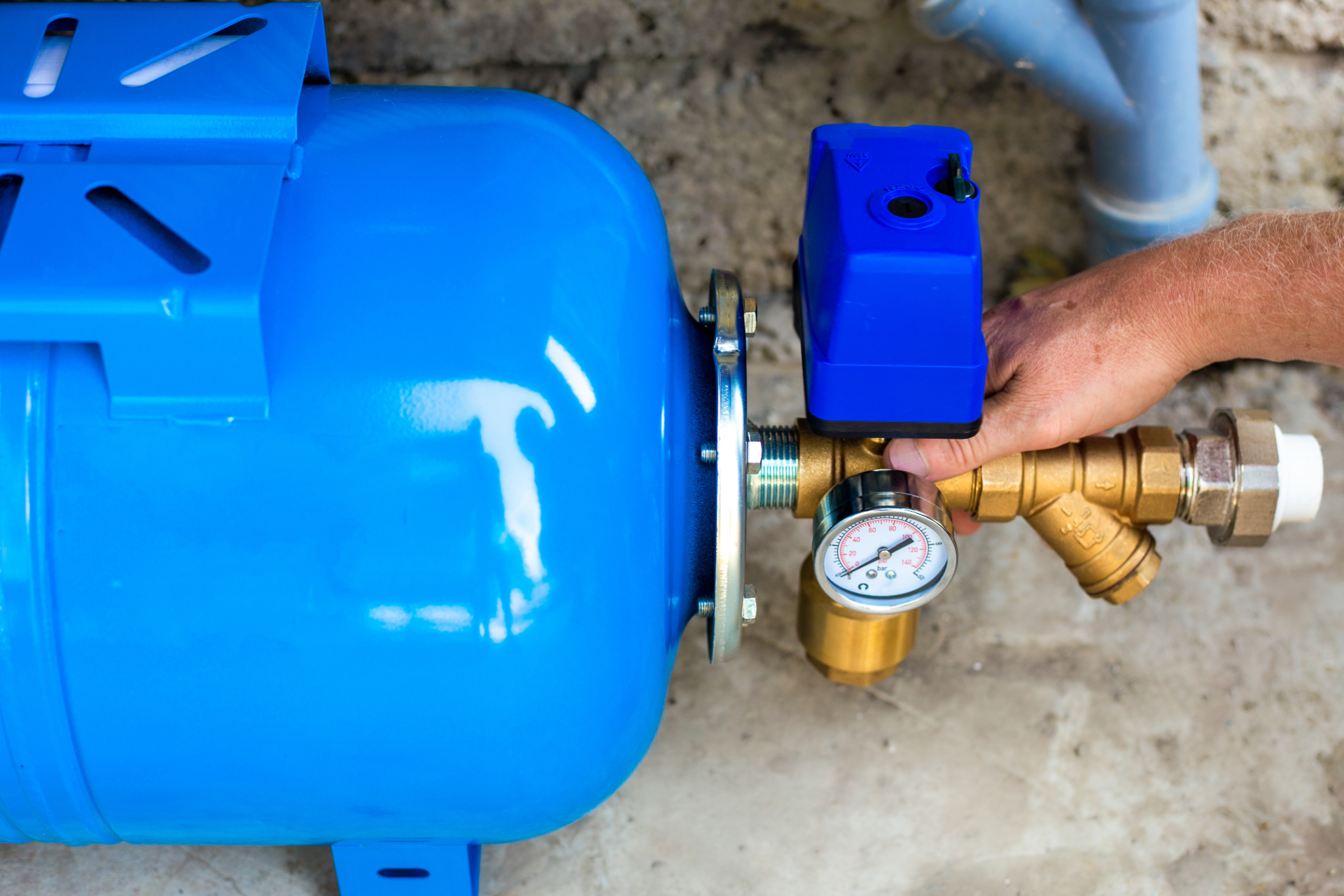
Booster, submersible, circulation, stormwater — different pumps do very different jobs. SC Pumps breaks down the functions & how to match the right type to the job.
Ground floor gets great pressure. Level fourteen doesn't. SC Pumps explains how to size, back up and maintain water supply pumps that hold up on every floor.