
Water Pump Uses and Functions Across Commercial and Strata Systems
Sydney Central Pumps • September 20, 2026
Water pumps sit behind almost everything that keeps a commercial or strata building running, moving water where it’s needed, when it’s needed.
But, the term “water pump” covers a wide range of machinery doing very different jobs. Understanding water pump uses and functions in a commercial and strata setting means learning how these machines actually work, what the different types of water pumps are built to do, and which function applies to which part of a building. The same basic technology also runs irrigation systems, pool filtration and countless other setups, but this guide stays focused on the systems that keep a commercial or strata building itself running, and on choosing high quality water pumps for that specific job.
Get the pump wrong and it shows up fast: weak pressure on the top floor, a flooded plant room, or a unit that can't keep pace with demand. This blog covers how pumps actually generate that movement, the types you'll run into on a commercial site, and what separates a pump that's right for the job from one that's just close enough.
How Water Pumps Work
At the core, water pumps are mechanical devices designed to move liquids by increasing pressure or displacement. They convert mechanical energy, usually from an electric motor, into hydraulic or kinetic energy that pushes water through a system. In practice, that means using mechanical energy to move water from one point to another, against gravity, against friction in the pipework, or against resistance further down the line.
The energy transfer mechanism differs by pump type, but it generally comes down to one of three components: an impeller, a piston, or a diaphragm. Each imparts velocity and pressure to the fluid passing through it, converting the motor’s rotation or reciprocating motion into the force that actually moves the water. In a multi-storey building, this energy has real work to do. A pump has to provide enough energy to overcome elevation, pressure requirements, and pipe friction all at once, including sustaining high pressure across many floors rather than just shifting volume at ground level, which is why the same amount of pump performs very differently depending on the building it’s installed in. What a pump depends on, mechanically, is the specific component generating that force, be it an impeller, piston or diaphragm.
Whatever the mechanism, the goal is the same: pump fluid from one point in the system to another, reliably and without damage to the equipment doing the work.
The Main Types of Water Pumps and How They Function
Not every pump moves water the same way. The mechanism behind a pump determines what it's suited for.
Centrifugal Pumps
A centrifugal water pump uses a rotating impeller to create pressure, converting rotational energy into centrifugal force that flings fluid outward against the pump casing and into the system. Such pumps are the most common type found in commercial and strata buildings, largely because proper maintenance is straightforward and they handle continuous operation well. One rule applies across the board: centrifugal pumps should never run dry, since running without water to move quickly damages the impeller and seals.
Positive Displacement Pumps
These operate on the positive displacement principle: rather than relying on rotational force, they trap a fixed volume of fluid and push it through the system, which means they can produce a constant flow rate regardless of pressure changes downstream, supporting maximum efficiency across variable demand. Common examples include rotary pump designs like gear pumps, which use meshing components instead of an impeller. Because of how they generate pressure, positive displacement pumps need a relief valve fitted at the pump outlet to prevent damage if it becomes blocked or restricted, and a properly functioning relief valve protects the pump's lifespan as much as it protects the piping downstream.
Diaphragm Pumps
Diaphragm pumps belong to the broader family of reciprocating pumps, using a flexible diaphragm moving back and forth inside the pump chamber to draw in and push out fluid. They excel at handling high viscosity fluids, which makes them useful for certain dosing and chemical-handling applications in chemical plants and other industrial sites, and they're also well suited to thick fluids and sludges that would strain a standard centrifugal design. Centrifugal pumps, by contrast, are generally the more efficient choice for low viscosity fluids like clean water, which is part of why they dominate general building water movement.
Jet Pumps
Jet pumps work on a different principle again, using suction lift to draw water up from a source below the pump via a venturi effect rather than sitting submerged in the fluid itself. They're less common in multi-storey commercial buildings than submersible or centrifugal types, but they still turn up in some transfer applications.
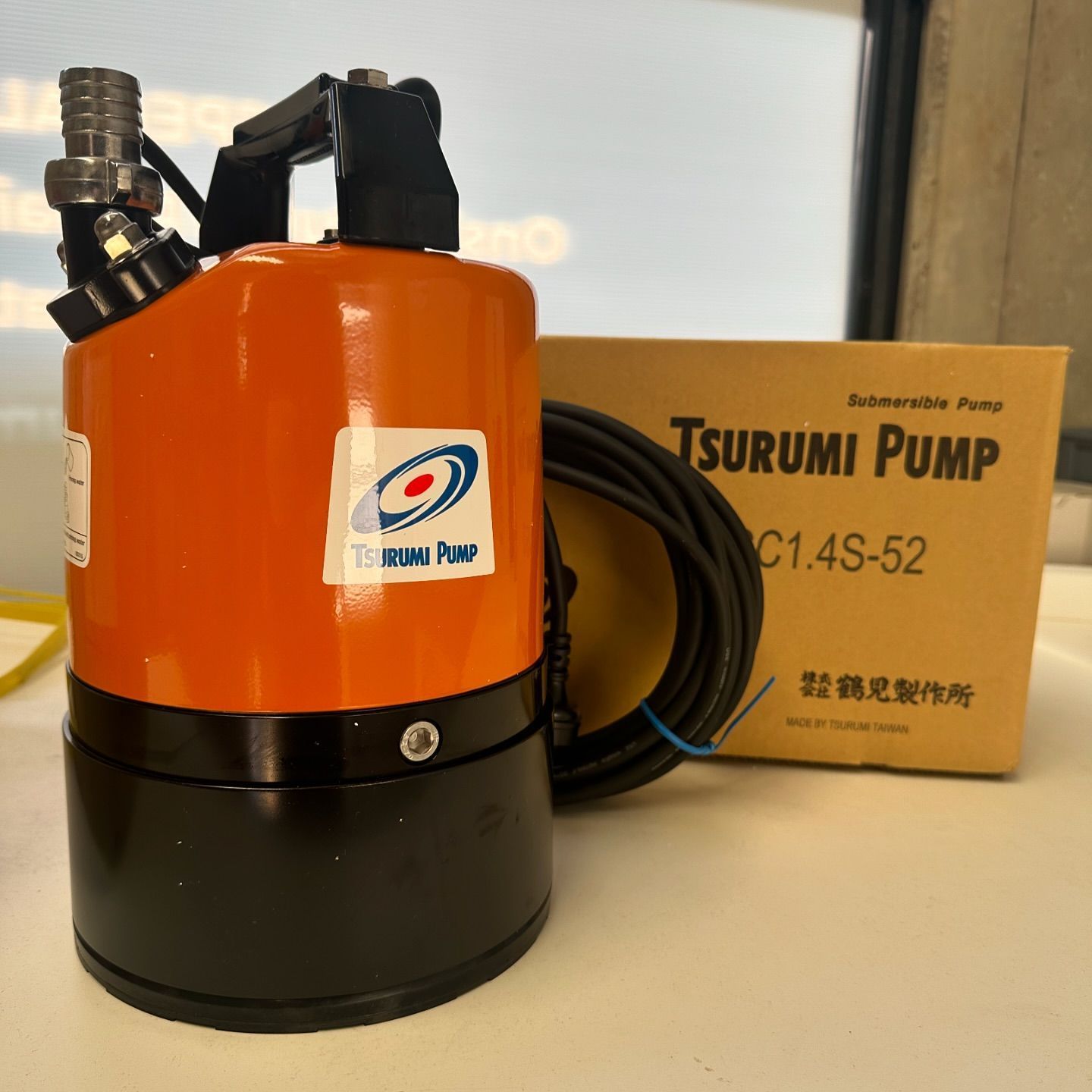
Submersible Pumps
Submersible pumps operate while fully submerged in water, which improves efficiency since the surrounding liquid helps cool the motor and there's no suction side to worry about: fluid enters the pump directly rather than needing to be drawn upward through a separate line. These turn up constantly as submersible sump pumps in basements and plant rooms, alongside broader stormwater systems and drainage applications.
Peristaltic Pumps
Peristaltic pumps push fluid through a flexible tube using a set of rollers inside the pump housing that compress the tube as they rotate. These are more specialised than the pump types above, mostly showing up in chemical dosing rather than general building water movement, and they need their tubing replaced as a routine part of maintenance since it's the component under constant mechanical stress.
Applications of Water Pumps in Commercial and Strata Buildings
Once you know how pumps generate movement, the next question is what they’re actually being asked to do on site. In a commercial or strata building, a handful of core applications of water pumps cover most of what pumps are installed for.
Booster Pumps: Boosting Water Pressure Through the Building
Water booster pumps exist to solve one specific problem: water pressure that’s fine at street level often weakens to low pressure by the time it reaches upper floors. In multi-storey buildings, boosting pressure through the plumbing system is one of the most common jobs a pump performs, keeping bathrooms, kitchens and common areas supplied with steady water flow no matter how high up they sit. A properly configured booster system doesn’t just push water upward: it has to maintain pressure consistently as demand shifts across dozens of fixtures at once. Lowara is one of the brands we supply for buildings that need to keep supplying water reliably under high pressure, alongside pressure and transfer applications more broadly.
Draining Stormwater and Construction Sites
Pumps play a defensive role too, moving excess water away from a site rather than delivering it somewhere useful. Stormwater pumps clear runoff from car parks, roofs and hardstand areas before it becomes a flooding risk, and high-capacity trash pumps are brought in to remove standing water and thick liquids mixed with debris from construction sites during a build. Portable trash pumps on these sites are often engine-driven rather than electric, running on diesel or gasoline engines so they can operate anywhere without mains power. Zenit is a brand well suited to this kind of stormwater and wastewater work.
Pulling Water From Below Ground
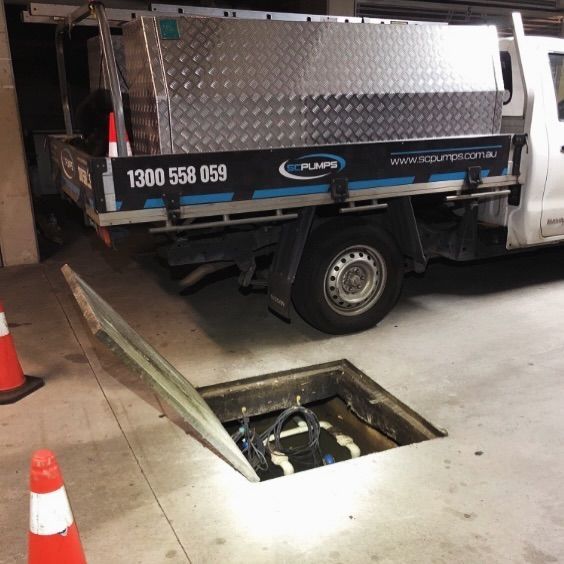
Submersible and groundwater pumps handle the opposite direction of travel, drawing water up rather than pushing it along. Because the pump sits fully submerged, pumping water this way avoids the suction losses a surface-mounted unit has to fight, which shows up as lower power consumption over the life of the system. This covers sump pumps preventing water buildup in basements, car parks and plant rooms, along with dewatering applications on commercial and construction sites. Some sump applications use pedestal pumps instead, where the motor sits above the waterline on a shaft while the impeller stays submerged, useful when servicing needs to happen without pulling the whole unit. Franklin Electric is one of the brands we supply for submersible and groundwater applications.
Circulating Water Through HVAC Systems
Circulation pumps are a function most people never think about, quietly moving hot or chilled water through a building’s HVAC system to heat or cool the space. Without a working circulation pump, a building’s heating and cooling system has no way to actually deliver that temperature-controlled water to where it’s needed.
Moving Sewage, Process Water and Industrial Fluids
Centrifugal pumps are commonly used to move sewage through a building’s waste system, coping well with continuous water flow carrying suspended solids. In industrial settings, pumps handle process water, cooling water and chemical solutions as part of standard operations, often feeding into broader wastewater treatment processes further down the line, and transporting industrial fluids that would otherwise have to be moved manually.
Choosing the Right Pump for the Job
With this many functions covered by “water pump” as a category, choosing the right pump system comes down to matching the pump to the job rather than picking based on size or price. Two factors matter most: flow rate and pressure needs, since undersizing either leaves a building under-serviced and oversizing wastes energy and money. That also means understanding how fluid flow behaves under different demand conditions, from sustaining high pressure across many floors to simply moving volume efficiently at a lower level. Matching a pump’s mechanism to what it’s moving matters just as much, since high viscosity fluids call for a different design than clean water does. Power source availability is also worth checking early, since not every plant room or pit has the electrical capacity already in place for a larger unit, and retrofitting that can add real cost to a project.
Keeping Pumps Running
Where a pump is used shapes how it should be maintained just as much as what type it is. Pump efficiency declines over time due to wear and tear, which is exactly why routine servicing exists. A few maintenance basics apply across most pump types: regular inspection of valves improves efficiency and catches problems before they cause a failure, positive displacement pumps need their relief valves checked to make sure they’re still doing their job, and centrifugal pumps need dry-run protection in place so an interrupted water supply doesn’t destroy the pump before anyone notices. None of this replaces a proper service schedule, but knowing what each pump type is sensitive to helps explain why servicing catches different things depending on what’s actually installed.
Frequently Asked Questions
What is the main function of a water pump in a commercial building?
Most commercial buildings use pumps for more than one function at once, typically covering pressure boosting through the plumbing system, stormwater or sewage removal, and circulation through HVAC systems. Which functions apply depends on the building’s layout and services.
What’s the difference between a centrifugal pump and a positive displacement pump?
A centrifugal pump uses a rotating impeller to build pressure and move water, and output changes with pressure conditions in the system. A positive displacement pump traps a fixed volume of fluid and pushes it through, producing a more constant flow rate regardless of pressure changes.
Why shouldn’t a centrifugal pump run dry?
Running without water to move causes the impeller and seals to overheat and wear rapidly, since the water itself normally helps cool and lubricate these components. Dry-run protection is standard on most commercial installations for exactly this reason.
Do all pumps need the same kind of maintenance?
No. Different pump types are sensitive to different failure points. Centrifugal pumps need protection against running dry, positive displacement pumps rely on a functioning relief valve, and pumps with flexible components like diaphragms or tubing need those parts inspected and replaced on a schedule.
How do I know which pump function my building needs?
It depends on what problem you’re solving. Weak pressure on upper floors points to a booster pump, water pooling in a car park or plant room points to a submersible or sump pump, and heating or cooling performance issues can point back to a circulation pump. A site assessment is the fastest way to confirm which function is actually missing.
What are the main types of water pumps used in commercial buildings?
Centrifugal, submersible and positive displacement pumps cover most commercial and strata applications, with each type of water pump suited to a different job, from pressure boosting to drainage to dosing. The right choice depends on what the pump needs to move and where.
Matching the Function to the Right Pump
Understanding water pump uses and functions is really about matching the right mechanism to the right job, since a pump that’s brilliant at boosting pressure won’t do much for a flooded plant room, and a submersible pump won’t help circulate water through an HVAC loop. Knowing the different types of water pumps covered here, and what each one is actually built for, makes that conversation far easier when something needs replacing.
If your current setup isn't keeping up, or you're not sure which function your building is actually missing, our water pump experts in Sydney can assess the site and recommend a pump built for the job it's actually being asked to do. Request a quote or call 1300 558 059 to talk through your building’s pump requirements.
Ground floor gets great pressure. Level fourteen doesn't. SC Pumps explains how to size, back up and maintain water supply pumps that hold up on every floor.

Davey pump losing pressure, cycling constantly or humming without starting? SC Pumps breaks down the most common causes and when to call a technician in Sydney.
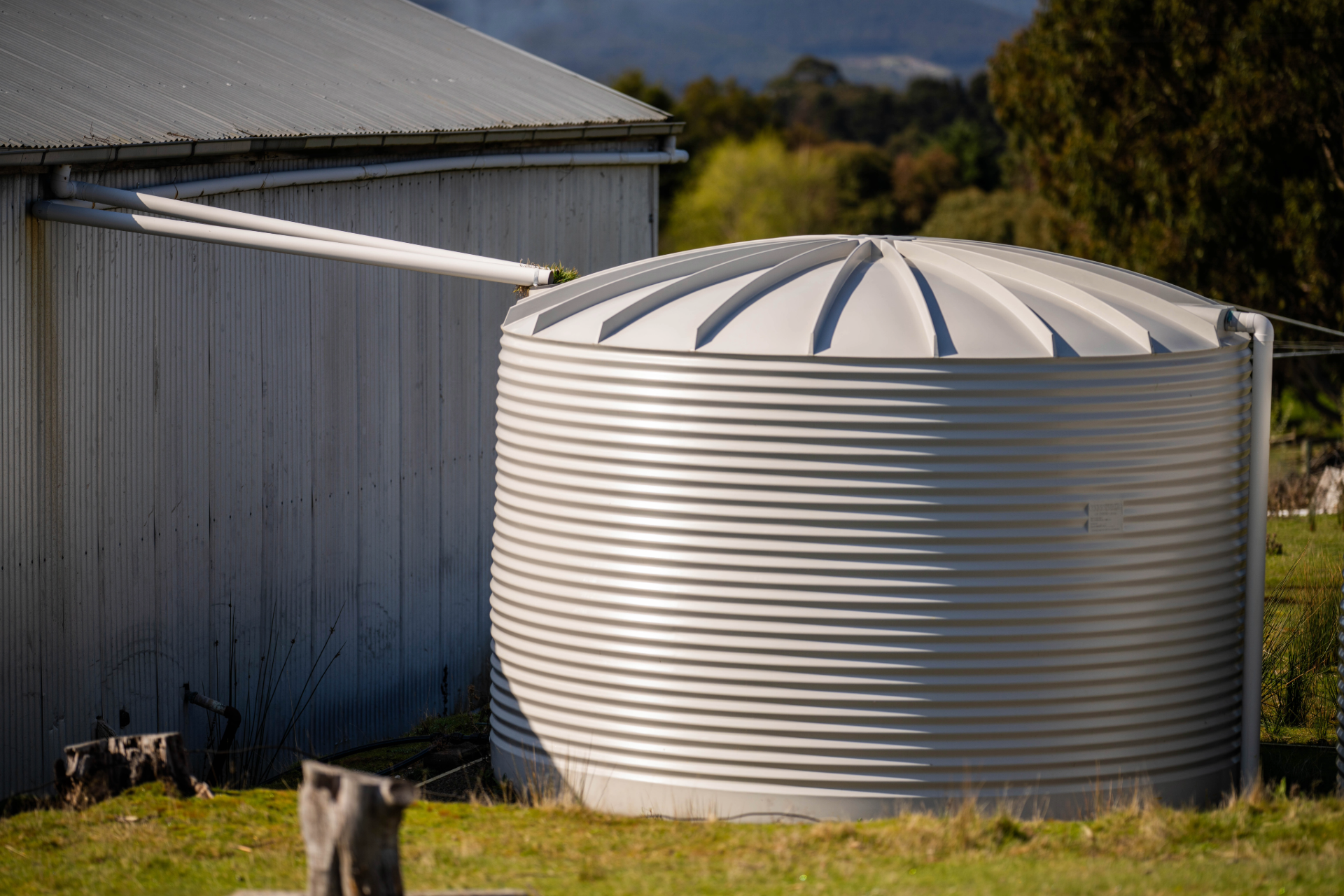
Choosing the wrong pump for your rainwater tank setup leads to short cycling, poor pressure and early failure. SC Pumps covers what to consider before you install.