
Reliable Pumps for Water Supply in Multi-Storey Buildings
Sydney Central Pumps • September 18, 2026
Ground floor tenants get water pressure without a second thought. The person on level fourteen doesn’t. That gap between those two experiences comes down entirely to the pressure pumps and water pumps a building relies on, and how well they’re sized and maintained to close it every single day.
“Reliable” is doing a lot of work in that sentence. It doesn’t just mean the water eventually arrives, it means it arrives at a usable, steady pressure, on every floor, every time a tap is opened, without the system dropping out the moment demand spikes or the power flickers. This guide looks at what actually makes a water supply pump reliable in a multi-storey building, from the physics working against it to the maintenance that keeps it working with you instead.
It’s worth being upfront about scope here too. We don’t handle household supply for a single dwelling, and you won’t find our team topping up dams on rural properties, running irrigation lines through a garden, or plumbing in outdoor taps and washing machines for household use. Domestic water transfer sits outside what we do as well. What we focus on instead is the far larger, continuous demand of a multi-storey building, where a single booster system has to serve dozens of households or tenancies at once rather than one property.
Why Multi-Storey Buildings Need High-Pressure Pumps for Water Supply
Water doesn’t rise on its own past the pressure the mains can push it to. Static head loss, the pressure lost simply from lifting water vertically, runs at roughly 10 kPa for every metre of height. In a building of any real scale, that adds up fast: by the time water has climbed past the first few floors, mains pressure alone usually isn’t enough to reach a shower on level ten with any usable force behind it.
This is the core problem pumps for water supply exist to solve. In a multi-storey context, this job almost always falls to pressure pumps rather than any other pump category, since maintaining consistent delivery against gravity, especially where a building needs high pressure sustained across many floors, is exactly what they’re built for. A pump has to provide enough energy to overcome elevation, pressure requirements, and pipe friction all at once, converting mechanical energy from a motor into the hydraulic energy responsible for pumping water upward through the building’s pipework. Get the sizing wrong and the building either has enough pressure at the bottom and nothing usable at the top, or a system that’s working harder than it needs to and burning through energy costs to do it.
It’s worth distinguishing this from drainage or dewatering pumps built to handle dirty water and debris. A water supply pump is designed to move clean water only, which shapes everything from material choices to seal design.
Booster Pumps and Pressure Pumps: How They Keep Water Moving
The pumps doing this job in most multi-storey buildings are centrifugal pressure pumps, using a rotating impeller to build the pressure needed to push water through the system. It’s a straightforward mechanism and a reliable one, which is part of why centrifugal booster sets are the default choice for pressure boosting across commercial and strata buildings rather than something more specialised.
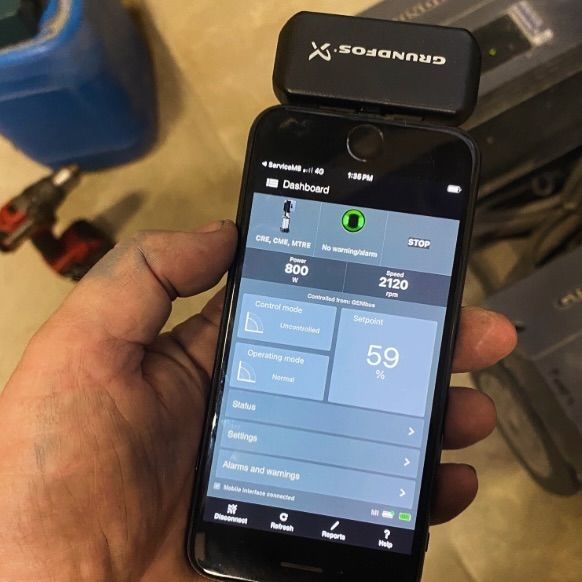
Reliability here depends on the system being looked after properly, not just installed correctly. Centrifugal pumps should never run dry, since running without water to move damages the impeller and seals quickly, so dry-run protection is standard on any properly specified commercial installation. It’s a small safeguard, but it’s often the difference between a pump that lasts years and one that fails within its first summer of heavy use. Pressure sensors and controllers built into the system also play a role here, cutting the pump before it can run unprotected rather than relying on someone noticing a problem on site.
As Grundfos pump experts in Sydney, we’re an authorised Grundfos dealer, and Grundfos pumps are one of the brands commonly specified for this job. Their SCALA2 booster unit, for example, is known for running notably quieter than many fan-cooled competitors, which matters when the plant room sits close to occupied space rather than tucked away in a basement. As a trusted supplier of electric water pumps built with stainless steel components for corrosion resistance, we work across several trusted brands rather than just one, from Davey pump solutions in Sydney to the other major manufacturers we carry, so a building isn’t locked into a single manufacturer if parts or servicing become harder to source down the track. Our range covers everything from compact, surface-mounted booster sets to submersible pumps for tank or bore backup, and water transfer applications more broadly.
Our experienced team can provide expert advice on the right model for a specific site. Getting this match right is essential to a solution that’s actually suitable for the job rather than merely adequate, and for larger or higher-demand buildings, we can recommend dependable pump solutions built around the same trusted brands.
Building In Redundancy for a Reliable Supply
A single pump, however well chosen, is still a single point of failure. Most buildings that take supply reliability seriously run duty and standby water pumps together, so a fault or a routine service on one unit doesn’t mean the building goes without water while it’s sorted out. Control panels typically alternate which pump runs as the duty unit, so wear is shared evenly and a standby pump that’s rarely called on doesn’t seize up from sitting idle. It’s a straightforward piece of insurance against the exact failure mode “reliable” is meant to rule out.
Power source availability matters just as much as the pump itself. A pump that can’t run during an outage isn’t reliable, regardless of how well it’s specified, so it’s worth checking early that the building’s backup power setup, if there is one, actually covers the pump load. Retrofitting that capacity later is a bigger job than building it in from the start.
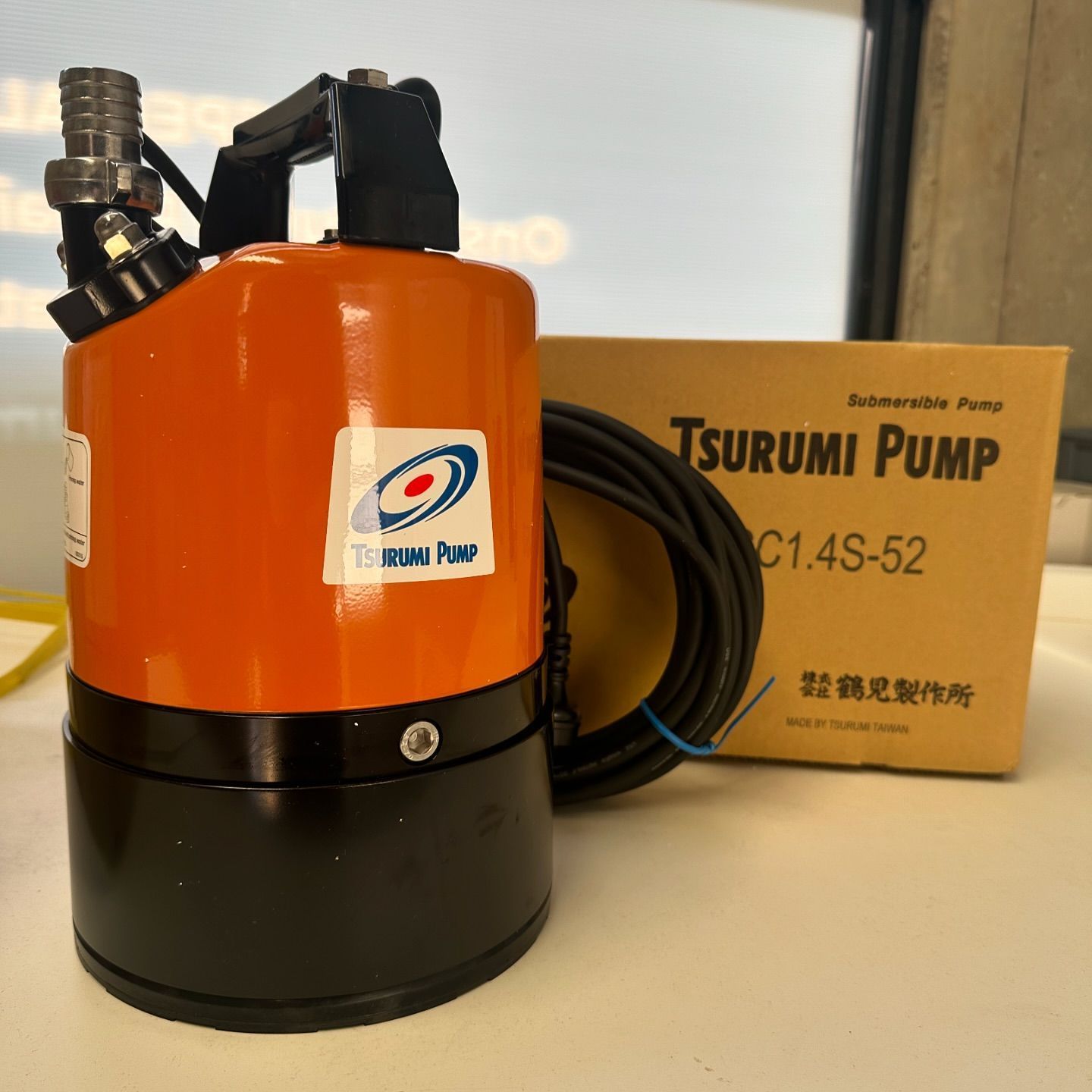
Where the water is coming from matters too. Most commercial and strata buildings run on a straightforward mains water connection as their primary water source, but some sites also keep a rainwater tank or groundwater source as backup supply during restrictions or interruptions. Submersible pumps, which operate while fully submerged for efficiency, are typically what’s used to draw from a tank or bore in these setups, working alongside the main booster system rather than replacing it. Unlike submersible pumps, a surface-mounted pump drawing from the same source for water transfer usually needs to be self priming, able to draw water up before it can start moving it, since it isn’t already sitting in the fluid itself.
Choosing the Right Pump for Consistent Water Flow
Reliability starts with getting the size right in the first place. Choosing the right pump comes down to two figures above all else: flow rate and pressure needs, usually measured in litres per minute. Undersizing either leaves upper floors under-serviced the moment more than a couple of taps run at once, while oversizing wastes energy and shortens the working life of a pump that’s cycling harder than the system actually calls for.
Getting this right for a multi-storey building isn’t a matter of picking a number off a chart. It depends on the property layout, how much water needs to reach multiple fixtures and multiple taps at once, and how far the water pumps have to push it vertically and horizontally to get there, which is why a proper site assessment matters more than a rule of thumb here. A building with fifty units and shared amenities like a gym has a very different water demand profile to one with the same floor count and fewer communal facilities, even though both might look similar on paper.
Maintenance Keeps Reliability From Slipping
A pump that was reliable on installation day doesn’t stay that way without attention. Water pumps lose efficiency over time due to wear and tear, which is exactly why a pump that ran perfectly well three years ago can start showing pressure drops, reduced water flow, or higher energy use today without anything having obviously broken.
Regular inspection of valves is one of the simplest ways to catch this before it becomes a failure rather than a fault. Combined with a proper servicing schedule that checks seals, bearings and controls, this is what keeps a booster system’s actual performance matching what it was specified to deliver, rather than slowly drifting away from it as components wear.
Frequently Asked Questions
What makes a water supply pump “reliable” rather than just working?
A pump that simply moves water and one that’s genuinely reliable are different things. Reliability means consistent pressure at every floor, under real demand, with backup in place for both mechanical failure and power interruption, not just adequate performance when everything is running as expected.
Do multi-storey buildings need more than one pump for water supply?
Most buildings that prioritise supply reliability run at least two water pumps in a duty and standby arrangement, so servicing or a fault on one doesn’t take the whole system down. Larger or taller buildings may need more, depending on demand and the number of pressure zones involved.
How does building height affect pump sizing?
Height adds static head loss that the pump has to overcome before it even reaches pipe friction or fixture pressure needs, at roughly 10 kPa per metre of vertical rise. Taller buildings need pumps that account for this from the start, rather than a booster sized only for street-level supply.
What happens if the power goes out?
Without backup power covering the pump load, the building’s water supply stops along with everything else running on mains electricity. This is why checking power source availability is part of sizing a genuinely reliable system rather than an afterthought.
How often should a booster pump system be serviced?
This depends on usage and load, but most commercial and strata systems benefit from scheduled servicing every 3 to 12 months. Standby pumps are worth testing more often, around every four months, since they see limited use and won’t show a developing problem the way a duty pump would. Regular valve inspection between full services helps catch problems early.
Getting Reliable Water Supply Right the First Time
Reliable pressure pumps for water supply in a multi-storey building come down to a handful of things done properly: correct sizing, a mechanism suited to the job, backup built in from the start, and maintenance that catches wear before it becomes a failure. Skipping any one of them tends to show up eventually as the exact problem “reliable” was supposed to prevent.
If your building’s water pressure isn’t holding up the way it should, or you’re planning a new system and want it sized properly the first time, our Sydney water pumps team can assess the site and recommend the right water pump and solution for consistent, dependable supply.
Water pressure that holds up on level one and level twenty, day one and year ten, isn’t luck. It’s a pump sized properly, backed up properly, and looked after properly. Request a quote or call 1300 558 059 and we’ll help you get there.

Davey pump losing pressure, cycling constantly or humming without starting? SC Pumps breaks down the most common causes and when to call a technician in Sydney.
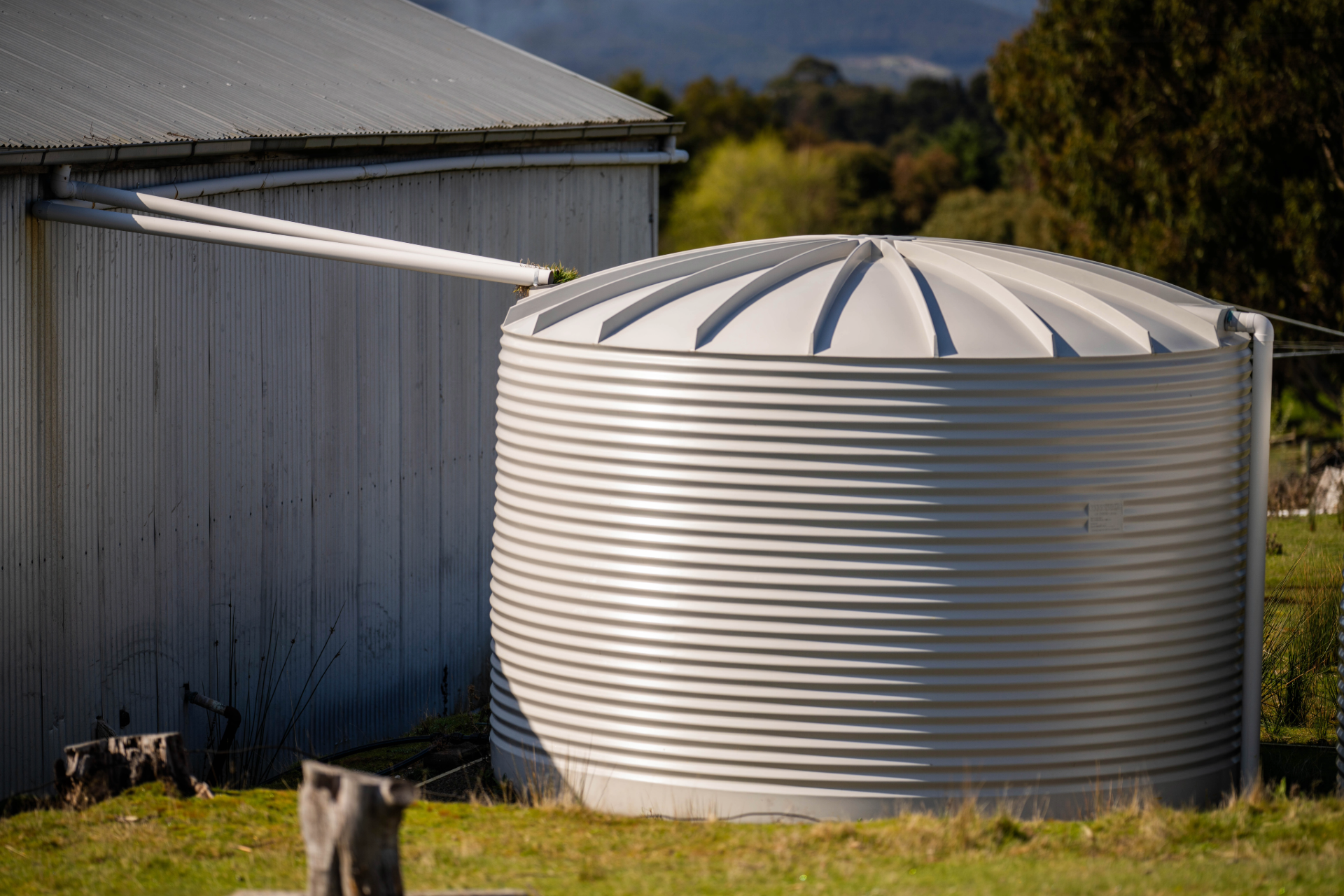
Choosing the wrong pump for your rainwater tank setup leads to short cycling, poor pressure and early failure. SC Pumps covers what to consider before you install.

From centrifugal to submersible and booster pumps, this guide covers how irrigation system pumps work, what goes wrong, and when to call a specialist in Sydney.