
Best Water Pumps for Commercial and Strata Buildings in Sydney
Sydney Central Pumps • September 27, 2026
Finding the best water pumps for a commercial or strata building isn’t the same task as picking one for a house. A pump that runs a single-family home for years might struggle within months under the daily demands of a multi-storey apartment block, an office tower or a mixed-use development. Higher usage, shared responsibility and compliance obligations all change what “the best” actually means.
In this blog post, we go through what separates commercial and strata pump requirements from residential ones, the main pump types you’ll come across, what to look for when choosing a system, and the brands we supply and service across Sydney. Getting the right pump in place the first time protects your building from unplanned downtime and keeps a reliable water supply running to every tenancy.
It’s a question we get asked constantly by building managers, strata committees and property owners who’ve had a pump fail unexpectedly and don’t want to repeat the experience. There isn’t one single answer, because the best pump for a stormwater pit isn’t the best pump for a booster set, and the best pump for a small commercial site isn’t necessarily right for a twelve-storey building. In truth, there’s no universal shortlist of the best water pumps that suits every site, since the right choice depends entirely on what the pump has to do and where it has to do it. The goal here is to give you enough grounding to have an informed conversation with whoever ends up supplying or servicing your system.
What Makes Commercial and Strata Pump Needs Different
A residential pump generally serves one household with predictable, low-volume demand. A commercial or strata pump system does the opposite. It might be pushing water to fixtures across a dozen floors, managing stormwater for an entire site, or running continuously as part of a building’s core infrastructure.
A few things set these systems apart:
- Higher duty cycles: Commercial pumps often run longer and more frequently, so build quality and duty rating matter more than they would in a household setup.
- Shared responsibility: In a strata scheme, pump failure doesn’t just inconvenience one household, it affects every resident and often triggers an urgent call to the building manager or owners corporation.
- Compliance and safety: Stormwater and sewer systems in commercial buildings are subject to codes and standards that don’t apply to a typical home pump.
- Cost of downtime: A failed pump in a commercial building can mean flooding, loss of water pressure across multiple tenancies, or a breach of essential services obligations, so reliability carries more weight than upfront price.
These factors are also why commercial and strata pump work tends to involve more than just the pump itself. Control panels, VSDs (variable speed drives) and the electrical and plumbing work around a pump all affect how well it performs over its working life. A high-quality pump paired with poorly configured controls, or installed by someone unfamiliar with the site’s demand patterns, won’t deliver the reliability a building actually needs. This is part of why commercial pump work is usually best handled by a specialist rather than treated as a straightforward swap.
Where We Don’t Fit In
It’s worth being clear about scope here too. We don’t take on household use or general residential use, and our team doesn’t work on farms running irrigation lines or a rural water systems setup feeding a rural properties block. A property running its pump off a solar panel to top up a rainwater tank, or a simple pool pump ticking over on a timer in someone’s backyard garden, is a different job entirely from what we do.
What we work on instead is the other end of the scale: buildings or industrial properties needing far more than a simple residential water supply, drawing serious power to keep water moving to dozens of fixtures at once, all day, every day.
Key Types of Water Pumps for Commercial and Strata Buildings
Pump types are grouped by how they move liquid and the task they’re built for, and different areas of a commercial or strata property typically call for different types.
Booster Pumps
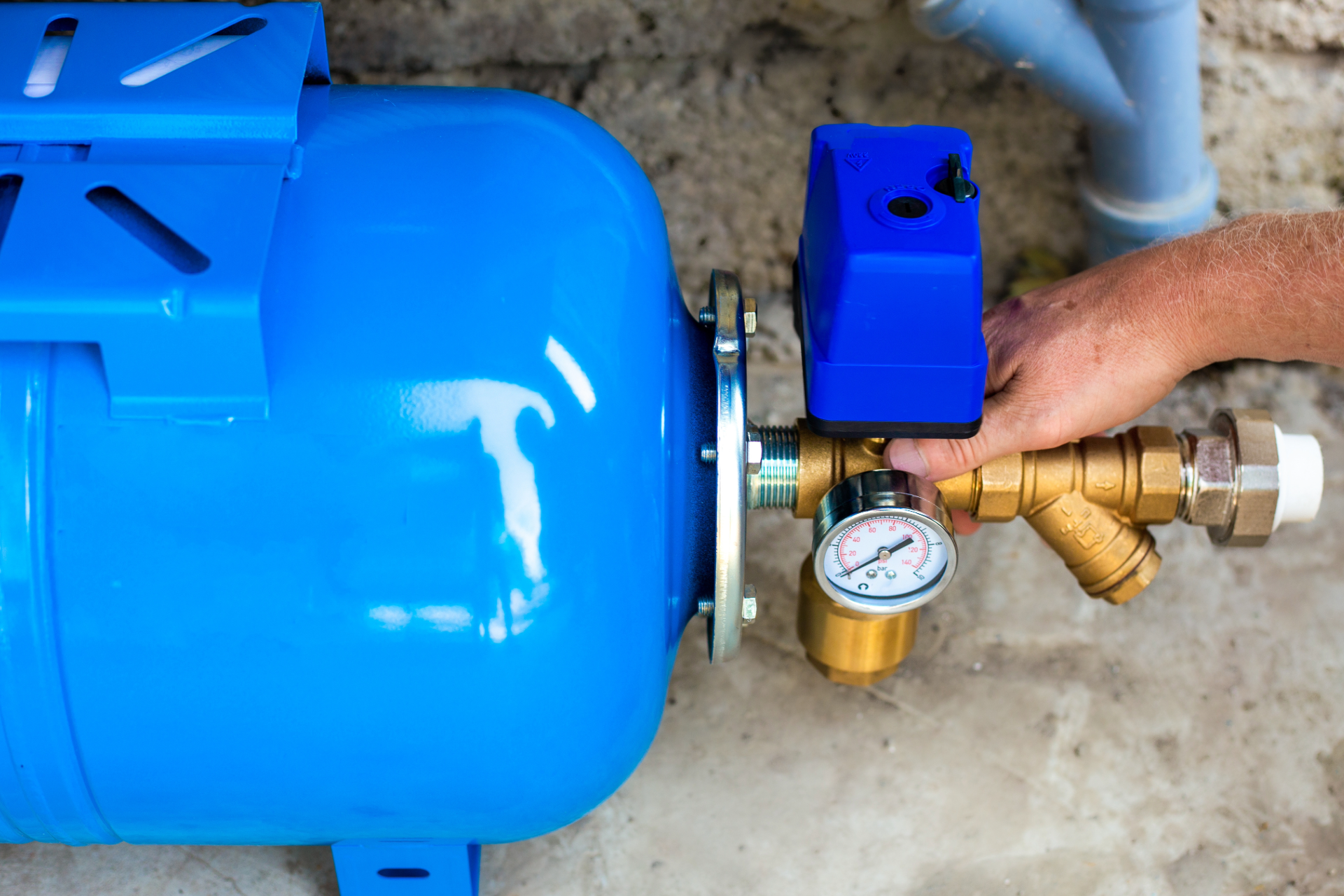
Booster pumps are a category of pressure pumps that increase low water pressure in an existing plumbing system, which is exactly the problem many multi-storey buildings run into once water has to travel up past the first few floors. In a strata building, this often shows up as weak pressure at upper-level bathrooms and kitchens even though supply at street level is fine, especially once multiple taps are running at once. A well-sized booster set, paired with a properly configured pressure controller, restores consistent water pressure to fixtures across every floor rather than just the ones closest to the main.
Smart Pumps for Constant Pressure
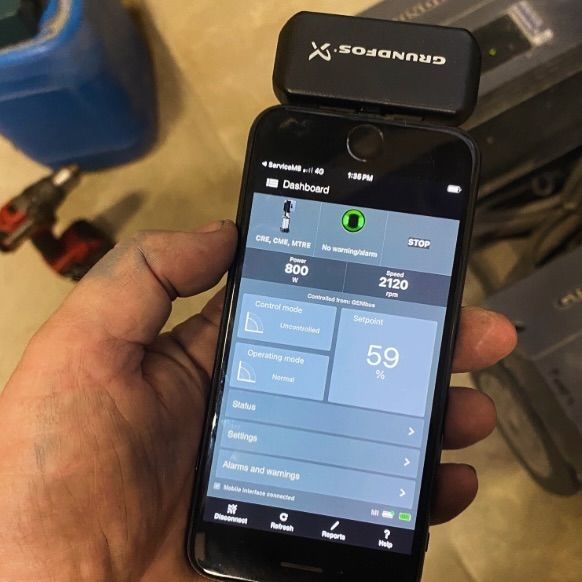
Grundfos is one of the better-known names in this space, recognised for energy efficiency, quiet-running booster systems such as the SCALA2, which runs extremely quiet against many fan-cooled competitors, and smart pumps that adjust output to hold a constant pressure as demand shifts across the building, and we’re an authorised Grundfos dealer. DAB is another brand engineered around performance and energy savings, and one we regularly supply for pressure boosting applications on commercial sites.
Submersible Pumps
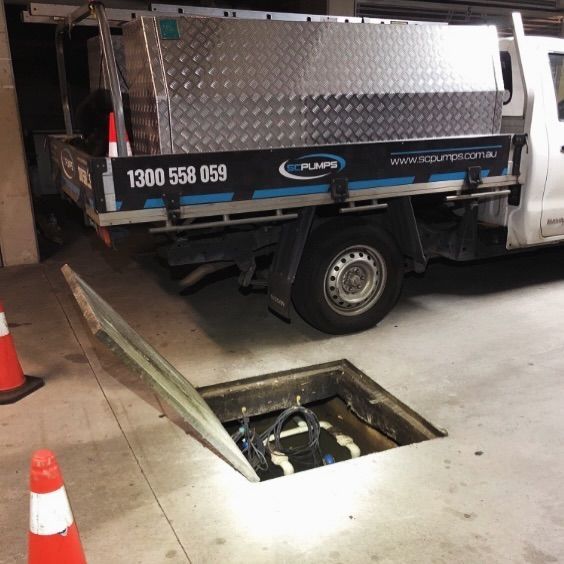
Submersible pumps operate fully submerged, using the surrounding liquid to help cool the motor while pushing water up to the surface. The main advantage is efficiency, along with better resistance to the suction problems that can affect pumps mounted above the waterline, and reliable performance even in dirty water full of grit and debris. These are common in sump pits, sewer applications and drainage systems across commercial and strata sites, where tough conditions and inconsistent water quality are part of the job.
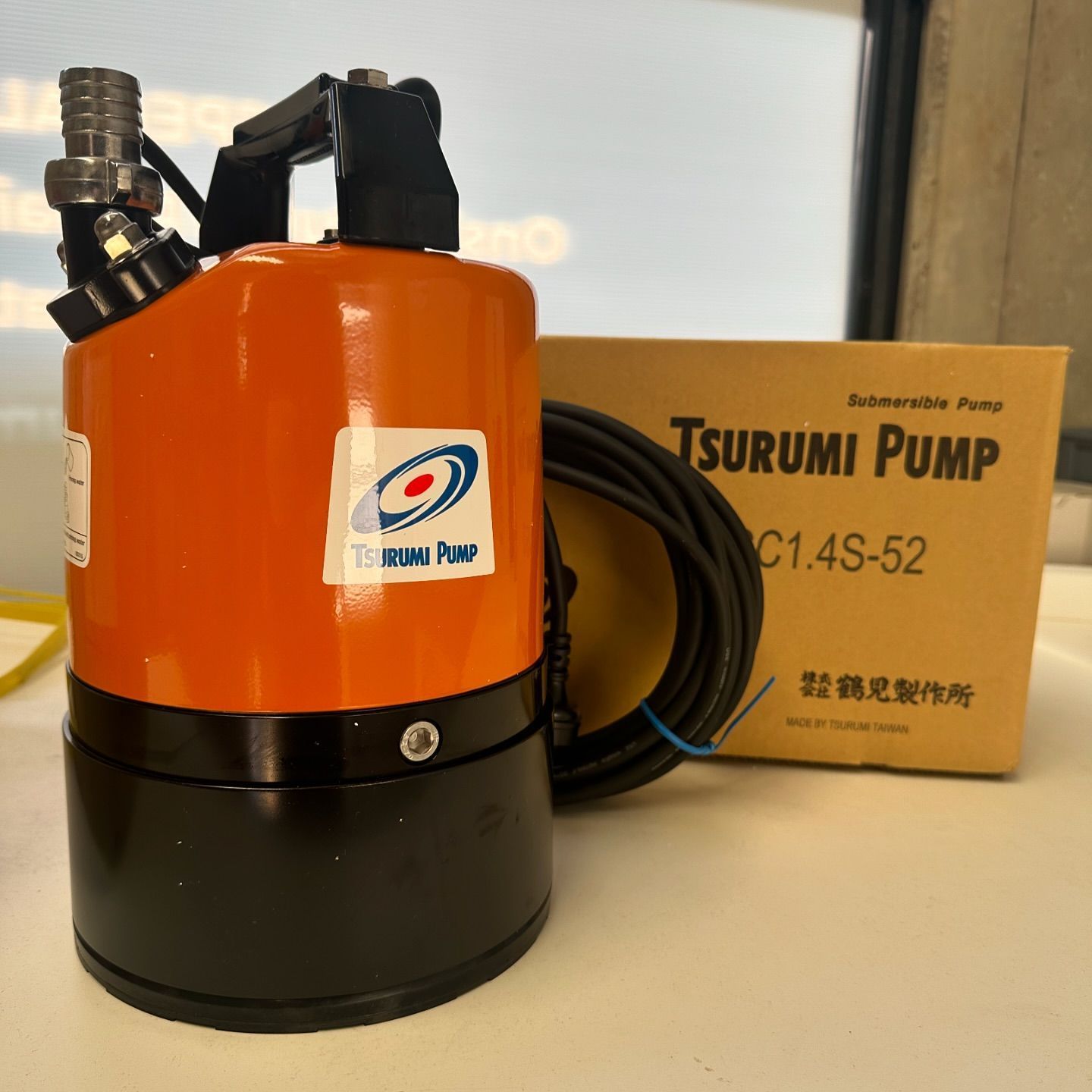
Tsurumi pumps are widely used across industrial and heavy-duty commercial applications, and Franklin Electric is another brand we supply for submersible and groundwater applications. For larger dewatering and wastewater jobs, Flygt pumps are a common choice on Sydney commercial sites.
Stormwater and Trash Pumps
Trash pumps are heavy-duty centrifugal pumps built to manage thick liquids mixed with debris, rather than clean water alone. They’re a fit for stormwater pits and drainage systems on commercial properties, where leaves, grit and other material inevitably end up in the water. ZENIT and EBARA both make pumps suited to this kind of stormwater and wastewater work, and we install and service both across Sydney strata and commercial stormwater pump systems.
Centrifugal and Positive Displacement Pumps
Most of the pumps in a commercial building fall into one of two broad mechanical categories. Centrifugal pumps use a rotating impeller to increase pressure and flow, and their main advantages are low cost and straightforward maintenance, which is part of why they’re so common in general water transfer applications. Positive displacement pumps work differently, delivering a constant flow rate regardless of pressure changes, making them suitable for certain dosing and specialised transfer applications where consistency matters more than raw output.
What to Look For When Choosing the Best Water Pumps
Getting the Right Pump for Your Building
Once you know the type of pump a job calls for, a handful of specifications determine whether it’s actually the right fit.
- Flow rate: Measured in litres per minute, flow rate is about how much water a system can move at once, or more simply, how well it can pump water to every fixture that needs it. It’s what dictates how many taps or fixtures can run simultaneously without a noticeable drop in water flow. For a large or multi-storey building running on high pressure straight off the mains water supply, the required flow rate is calculated from the number and type of fixtures on site under AS/NZS 3500.1, and can be well above what a single household system would need.
- Maximum head: This is the maximum vertical height a pump can push water to, which is critical in any multi-storey building where water has to travel well above ground level to reach upper floors. It’s one of the first numbers we check before recommending the right pump for a site.
- Self-priming capability: Essential for any pump positioned above its water source, since it needs to draw water up before it can start moving it.
- Dry-run protection: A safety feature that shuts the pump down before it can burn out from running without water, which matters in unattended commercial installations where nobody’s on site to notice a problem straight away.
- Corrosion-resistant materials: Stainless steel and similar materials are critical for pump longevity, particularly in stormwater, sewer or coastal applications where corrosive conditions shorten the life of lesser components.
- Noise level: This varies considerably between pump types and installations, which is worth factoring in for plant rooms near occupied spaces.
- Pressure controller: A pump paired with a properly configured pressure controller maintains consistent pressure and stable water delivery rather than surging or dropping off as demand changes across the building.
Matching Your Water Source and Demand
Beyond the pump itself, it’s worth thinking about your water source, whether that’s mains water or a rainwater tank feeding into the system as backup, along with daily demand, and pipe length and elevation across the site, since these all affect which pump size and type will actually perform once installed rather than just on paper. For sites with a rainwater tank as backup supply, we can also help configure automatic changeover so the system switches cleanly between mains and tank during restrictions or supply interruptions.
It’s also worth matching pump capacity to daily water demand rather than simply installing the largest available unit. An oversized pump can short-cycle and wear out its components faster, while an undersized one leaves the building exposed to exactly the pressure and reliability problems this guide is meant to help you avoid. This is where a proper site assessment earns its keep, since two buildings with a similar number of units can still have very different pump requirements depending on layout, pipe run and existing infrastructure.
Why Brand and Supplier Support Matter
Buying the best water pumps on paper doesn’t count for much if nobody local can service them. We’re an authorised Grundfos dealer, and we supply and support brands like Davey, built specifically for Australian water conditions, alongside the other major names we carry. Having a supplier who can supply, install and later service the same system means less downtime if something goes wrong, and a straightforward path to genuine parts rather than a workaround.
This matters even more in a strata context, where a pump fault often becomes an urgent job that a committee or building manager needs resolved fast, not something that can wait weeks for a part to arrive from overseas. A local supplier with an established relationship with the brand can usually source parts and get a technician on site faster than a business with no direct connection to the manufacturer. It’s also worth asking any prospective supplier whether they handle both the plumbing and electrical side of pump work, since pump faults often sit right at the intersection of the two, and having one company manage both saves the back and forth of coordinating separate trades.
Our Supported Pump Brands
Beyond the brands covered above, we also supply and service Wilo and Lowara pumps for pressure and transfer applications, along with Bianco Pumpz, Global Water Solutions and Cleartec Pumps for a broader range of commercial and strata pump needs across Sydney. Whatever brand is already installed at your building, there’s a good chance we can service or replace it.
Browse Our Pump Range Online
Beyond on-site service and installation, our online store gives building managers and strata committees an easy way to browse pumps online before committing to a system. We stock an extensive range of pressure pumps and submersible systems, alongside a diverse range of accessories to suit whatever your building needs. From compact design options for tight plant rooms to heavier-duty units built for continuous commercial use, our full range covers most jobs without needing to chase down a brand elsewhere. Every unit we list is chosen for easy installation into typical plant room and switchboard setups, cutting down site time for our technicians, and paired with the right pressure controller, these systems are built to deliver consistent water flow even during peak demand.
Every product listed reflects the same engineering excellence you’ll find in the brands we install on site, backed by our own experience fitting them into real Sydney buildings. If you already know the right water pump for your system, you can order pumps online and have our team handle delivery and installation, or get in touch first if you’d rather talk through the options. Whether you’re comparing pumps online for a new install or replacing a failed unit fast, choosing based on running cost rather than just purchase price often delivers long term savings, particularly on units that operate continuously.
Frequently Asked Questions
How do I know what size pump my commercial or strata building needs?
Sizing comes down to your required flow rate in litres per minute, maximum head, and daily water demand across the building. A large or multi-storey property typically needs a higher flow rate and greater head capacity than a single dwelling, so it’s worth having a specialist assess the site and confirm the right pump for your building rather than guessing based on the previous unit’s rating.
What are the best water pumps for a Sydney strata building?
It depends on the building’s height, number of fixtures and water source, but most strata sites need a combination of a booster set for pressure and a submersible or stormwater pump for drainage. We can recommend specific models once we know your building’s requirements.
Can I order pumps online?
You can browse pumps online through our site to compare options, then get in touch with our team to confirm pricing, availability and next steps. We'll handle the rest, whether that's supply only, or full delivery and installation for your building.
What’s the difference between a booster pump and a submersible pump?
A booster pump increases pressure in an existing plumbing system, commonly used to fix weak pressure on upper floors. A submersible pump sits fully underwater and pushes fluid up to the surface, more commonly used in sumps, stormwater pits and drainage applications.
How often should commercial water pumps be maintained?
Regular maintenance keeps a commercial pump reliable and extends its working life. This generally includes checking and cleaning the pump filter, inspecting seals and gaskets for wear roughly every six months, confirming lubrication matches the manufacturer’s manual, checking for leaks in the system, and testing pressure and flow rate at least annually.
Are commercial pumps noisy?
Noise levels vary considerably between pump types and installations, which is worth discussing with your supplier if the plant room sits near occupied areas of the building.
Can you service a pump brand you don’t sell?
In most cases, yes. Our team works across the major commercial and strata pump brands used in Sydney buildings, including Tsurumi pumps, DAB and Grundfos, so even if your system wasn't originally supplied by us, we can generally assess, repair or maintain it.
Should a pump be repaired or replaced?
It depends on the age and condition of the unit, how often it’s failed before, and the cost of parts versus a new system. In many cases a rebuild is cheaper than a full replacement and can extend the working life of a pump considerably, but a unit that keeps failing despite repairs is usually a sign it’s reached the end of its practical service life. A technician can generally give you a clear recommendation once they’ve inspected the pump and its history.
When Your Pump Fails, You Need More Than a Spec Sheet
A pump doesn’t usually fail at a convenient time. It’s a resident calling about no water pressure on a Friday afternoon, a stormwater pit backing up during heavy rain, or a strata committee asking why the same system has broken down twice in a year. In those moments, the building manager or owners corporation is the one fielding the calls, and “the best pump” stops being a spec sheet comparison and becomes whoever can turn up, diagnose the problem and get the building back to normal.
That’s the gap we’re built to close. We’re a licensed dual-trade team, so the plumbing and electrical sides of a pump job are handled by one company rather than two contractors trying to coordinate a shared problem. We carry an established relationship with Grundfos as an authorised dealer, plus the parts and knowledge behind every other major brand covered in this guide, so a repair doesn’t stall waiting on stock from overseas. And because strata and commercial sites are what we do, day in and day out, we’re not learning your building’s quirks for the first time when something goes wrong.
In the end, the best water pumps for your building aren’t the ones with the flashiest spec sheet, they’re the ones that keep working reliably, year after year, backed by someone who’ll actually turn up when something goes wrong. If your current pump setup has you fielding the same complaints on repeat, or you’re planning ahead for a building that’s outgrowing its system, get in touch before the next failure forces the conversation.
Request a quote or call 1300 558 059 and talk to someone who deals with buildings like yours every day.
Booster, submersible, circulation, stormwater — different pumps do very different jobs. SC Pumps breaks down the functions & how to match the right type to the job.
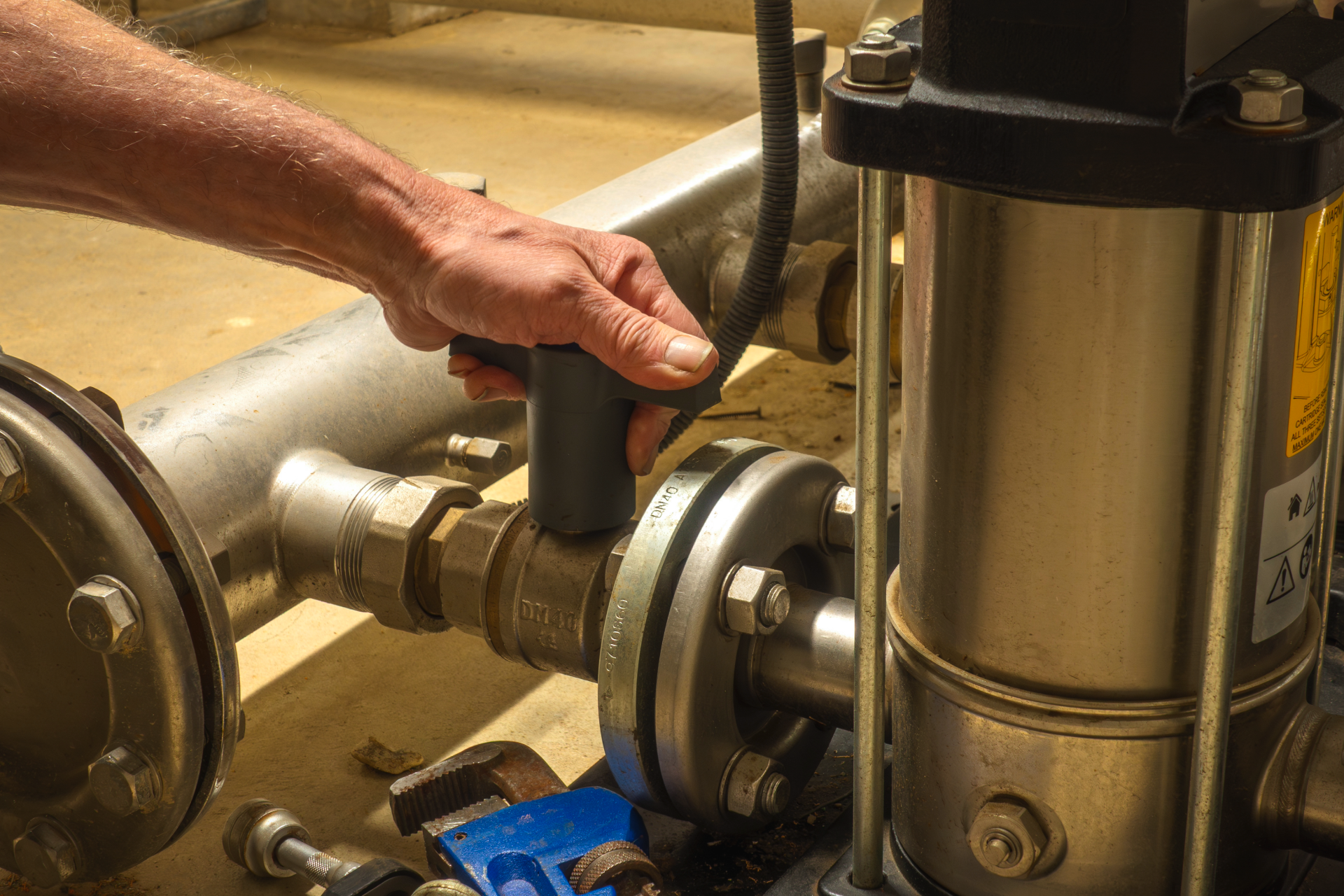
Ground floor gets great pressure. Level fourteen doesn't. SC Pumps explains how to size, back up and maintain water supply pumps that hold up on every floor.

Davey pump losing pressure, cycling constantly or humming without starting? SC Pumps breaks down the most common causes and when to call a technician in Sydney.