
What Happens When a Building's Stormwater Pump Fails Mid-Storm?
Sydney Central Pumps • March 12, 2026
A sudden downpour can test a building’s stormwater system within minutes. When a basement pump fails during heavy rain, water levels rise quickly and there is little margin for error. What starts as a routine storm can escalate into flooding, property damage, and serious safety risks before anyone has time to react. Throughout Sydney, intense rainfall events continue to expose weaknesses in ageing or undersized pump systems.
The First 15 Minutes
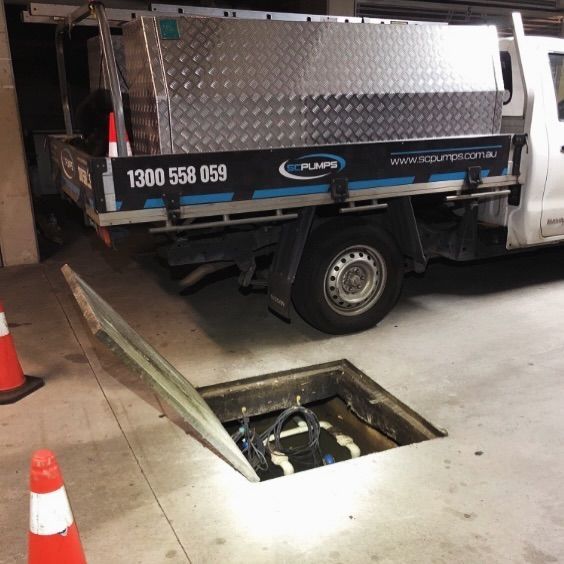
Water enters the stormwater pit at an alarming rate during heavy rain. Without a functioning pump, there's no way to remove it. The pit fills quickly. Most pits have limited capacity, designed to buffer water briefly while the pump clears it.
Within 10 to 15 minutes of pump failure, the pit reaches capacity. Water starts backing up through floor drains. It seeps through doorways. It finds every low point in the basement.
That’s why
regular water pump servicing and system checks are critical, especially before storm season, to reduce the risk of sudden failure when your building needs protection most.
Immediate Flooding Begins
Once the pit overflows, water spreads fast. Basements slope slightly to direct water toward drains. But when drains are the source of the water, this design works against you. Water flows across the floor. It pools in corners and storage areas.
Car park levels flood first. Vehicles sitting in basement parking are at immediate risk. Water reaches wheel height within minutes during intense storms. Electrical systems in cars can suffer permanent damage from water exposure.
Property Damage Accelerates
Stored items in basement areas face destruction. Boxes, furniture, equipment, and supplies absorb water. Cardboard disintegrates. Wood swells and warps. Electronics short circuit.
Many buildings store maintenance equipment, archived documents, or resident belongings in basement spaces. A single storm can wipe out years of accumulated materials. The
financial loss caused by extreme weather often runs into thousands or tens of thousands of dollars.
Electrical Hazards Emerge
Basements house critical building infrastructure. Electrical panels, switchboards, and conduits often sit at low levels. Water and electricity create life-threatening situations.
Power to basement areas might trip as water rises. But residual current and exposed connections still pose electrocution risks. Nobody should enter a flooded basement without confirming power is completely isolated.
Structural Water Intrusion
Water doesn't just sit on the surface. It seeps into concrete. It penetrates expansion joints. It finds cracks and weaknesses in the structure.
Prolonged water contact damages concrete and reinforcing steel. It promotes corrosion. It weakens structural integrity over time. What seems like a temporary flooding event can create long-term maintenance issues.
Mould Growth Countdown Starts
The clock starts ticking on mould growth the moment water enters the building. Mould spores exist everywhere. They need three things to thrive: moisture, organic material, and time.
Basements provide perfect conditions. Damp walls, wet carpet, soaked insulation, all of which become breeding grounds. Mould can establish colonies within 24 to 48 hours. Once it takes hold, remediation becomes expensive and complex.
Access and Safety Issues
Flooded basements become no-go zones. Residents can't access their cars. Deliveries can't reach basement loading areas. Building operations get disrupted.
Emergency services might need access during the storm. Fire stairs, emergency exits, and service corridors often run through basement levels. Water compromises these critical safety routes.
Pump Room Damage
Ironically, the room housing the failed pump often suffers the worst flooding. These spaces sit at the lowest point by design. Water accumulates there first and deepest.
Other equipment shares the pump room: hot water systems, air conditioning units, electrical distribution boards. All face water damage when the space floods. A single pump failure can cascade into multiple equipment losses.
Insurance and Liability Concerns
Building insurance typically covers storm damage, but claims become complicated. Insurers investigate whether proper maintenance occurred. They ask about inspection records. They want to know when the pump was last serviced.
If negligent maintenance contributed to the failure, coverage might be denied or reduced. Strata committees and building managers can face liability questions from affected residents and owners.
The Restoration Challenge
Once the storm passes, the real work begins. Water extraction takes hours or days depending on the volume. Industrial dehumidifiers run constantly to dry the space.
Damaged materials need removal. Affected surfaces require sanitising. Everything must dry completely before reconstruction starts. The building might lose basement access for weeks.
Repair Costs Multiply
Emergency pump replacement during or after a storm costs more than scheduled maintenance. Emergency callouts carry premium rates. Parts might need express shipping. Labour charges increase for after-hours work.
Water damage remediation adds major expense. Professional restoration companies charge by the hour and by equipment used. The total bill often exceeds 10 to 20 times what regular pump maintenance would have cost.
Resident Impact and Complaints
Building occupants suffer inconvenience and loss. They can't access their vehicles. Their stored belongings are damaged. They face displacement from their units if mould spreads.
Complaints flood the building manager's phone and email. Special strata meetings get called. Frustration runs high. Trust in building management erodes. What began as a mechanical failure quickly becomes a reputational issue, with long-term consequences that extend well beyond the initial flood.
Prevention Is Simple
Most mid-storm pump failures are preventable. Regular servicing identifies worn components before they fail. Routine testing confirms pumps activate properly. Scheduled maintenance keeps systems reliable.
Sydney Central Pumps specialises in keeping stormwater pumps operational when you need them most. We provide regular health checks, component replacement, and preventative maintenance across Sydney. Our service programmes run at 6 to 12-month intervals, catching problems before they cause flooding.
Don't risk a mid-storm failure. Call Sydney Central Pumps on 1300 558 059 or
send us an enquiry to book your stormwater pump inspection. We service buildings from the North Shore to Sutherland and everywhere in between. Keep your basement dry and your residents safe.
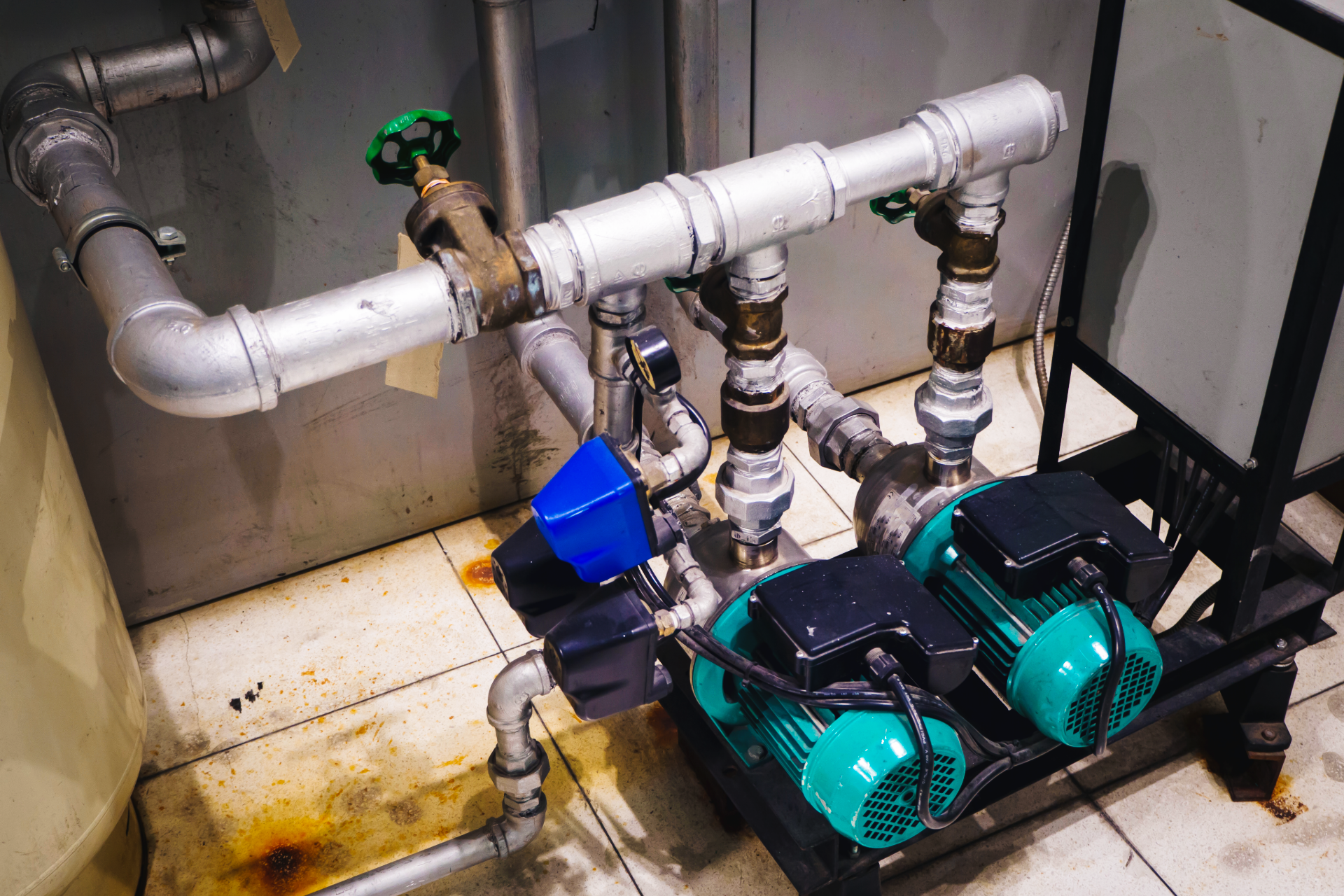
There's no single best water pump. It depends on the building. SC Pumps covers the key types, brands and sizing factors for Sydney strata and commercial sites.
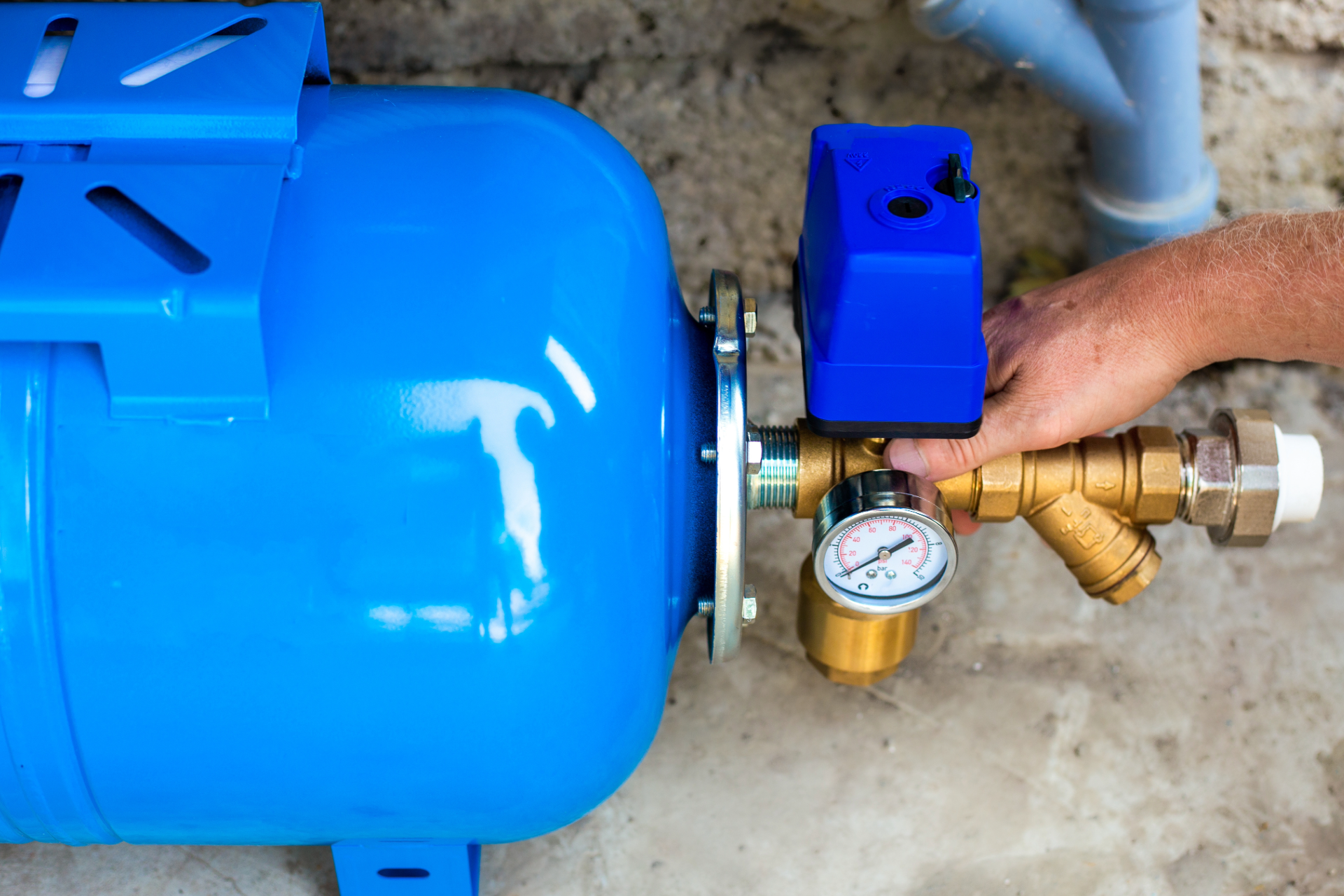
Booster, submersible, circulation, stormwater — different pumps do very different jobs. SC Pumps breaks down the functions & how to match the right type to the job.
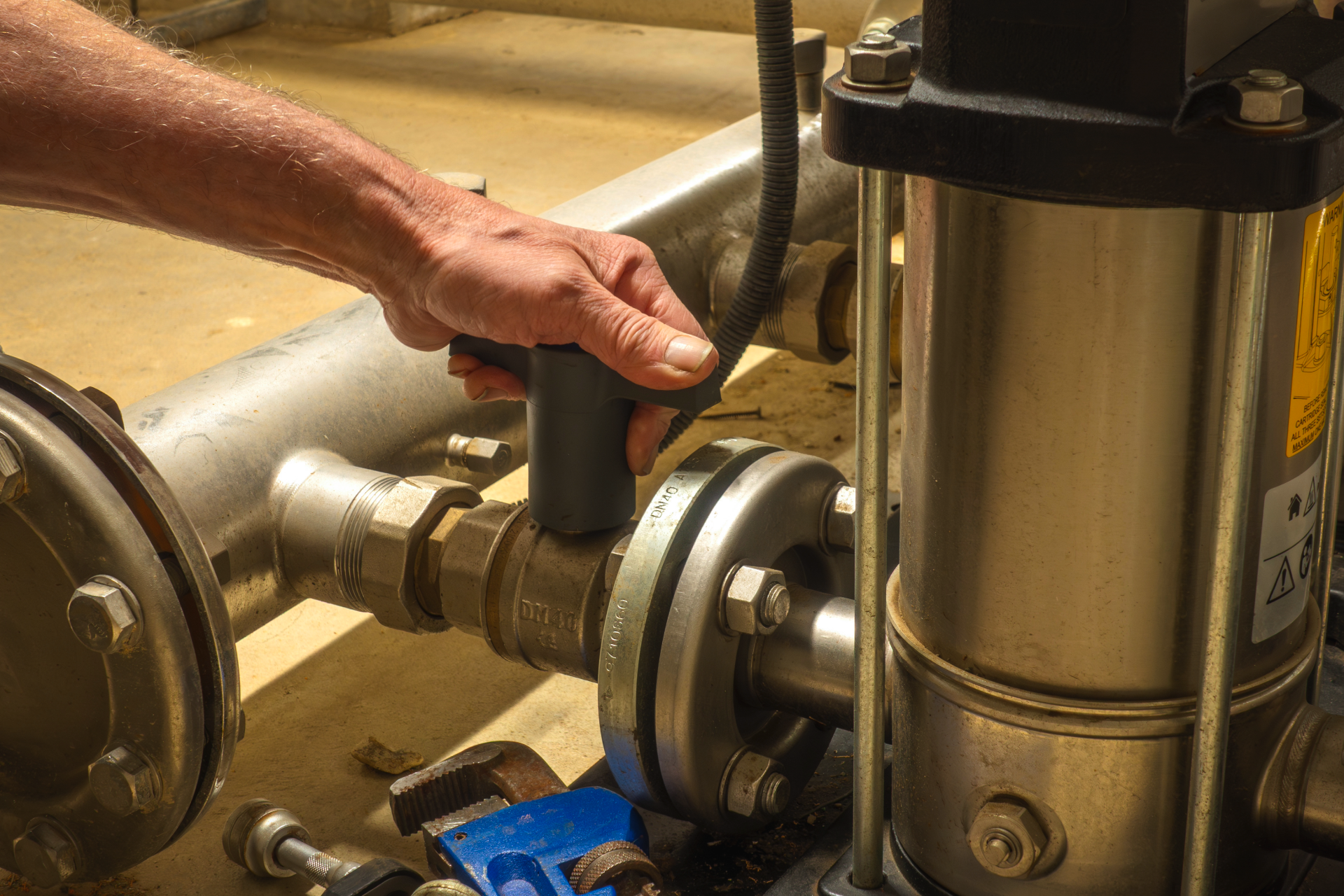
Ground floor gets great pressure. Level fourteen doesn't. SC Pumps explains how to size, back up and maintain water supply pumps that hold up on every floor.