
How Extreme Rainfall Impacts Underground Pump Systems
Sydney Central Pumps • March 22, 2026
Australia is experiencing more frequent high-intensity rainfall events, particularly along the east coast. In New South Wales, short-duration storms are delivering heavier bursts of rain than many older drainage systems were originally designed to manage. Sydney has seen repeated flash flooding events in recent years, placing increasing pressure on urban infrastructure.
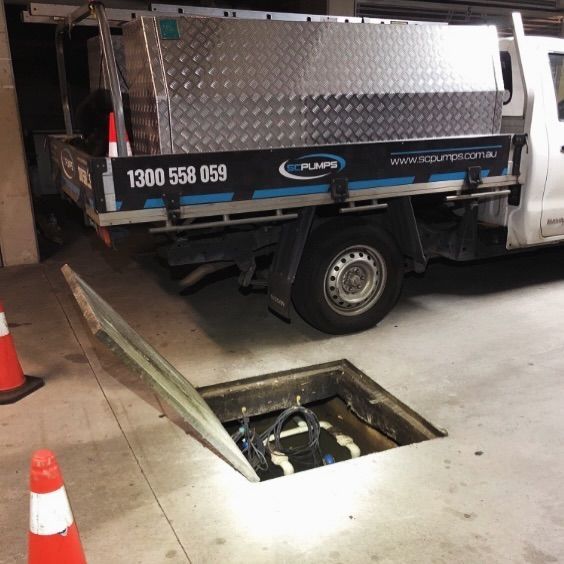
This shift matters for buildings with underground spaces. Basement car parks and plant rooms depend on stormwater pump systems to remain dry during heavy rain. When extreme rainfall hits, inflow rates rise sharply. Collection pits fill faster. Pumps are forced to operate continuously under peak demand.
Underground pump systems already work in difficult conditions, with constant moisture, fluctuating water levels, debris exposure, and occasional submersion testing every component. During extreme rainfall, those stresses intensify, pushing pumps and control systems to their operational limits.
Hydraulic Overload
Pumps are rated for specific flow capacities. They can move a certain volume of water per hour. Extreme rainfall can exceed this capacity by substantial margins.
The pit fills faster than the pump can empty it. Water levels rise. The pump runs continuously at maximum output. It never gets a break. It never cycles off.
Continuous operation generates heat. Motors designed for intermittent duty struggle with sustained running. Components wear faster. Seals deteriorate. Bearings
experience accelerated degradation.
Electrical Component Stress
Pump motors draw significant current when starting. During extreme rainfall, pumps cycle on and off repeatedly or run non-stop. This creates electrical stress.
Control panels experience increased load. Contactors and relays switch frequently. Circuit breakers handle sustained current near their rating. Heat builds up in electrical enclosures.
Moisture infiltration worsens during heavy rain. Water seeps into conduits. It penetrates junction boxes. Electrical connections face corrosion risk. Short circuits become more likely.
Debris Surge
Extreme rainfall washes massive amounts of debris into stormwater systems. Leaves, branches, plastic bags, bottles, and general rubbish flow with the water. This material accumulates at screens and filters.
Pumps struggle to draw water through blocked screens. Flow reduces. Efficiency drops. The pump works harder to move less water. Motor current increases. Temperature rises.
Some debris bypasses screens. It enters the pump chamber. It jams impellers. It damages pump internals. A piece of timber or a plastic bottle can destroy an impeller in seconds.
Sediment and Grit
Stormwater carries suspended sediment, particularly during the first flush of heavy rain. This grit is highly abrasive. It accelerates wear on pump components.
Impellers develop grooves. Casings erode. Seals get scored by passing particles. The pump's efficiency gradually declines. What started as a high-performance unit becomes progressively less effective.
Sediment also settles in the pit when water movement slows. It builds up over time. The pit's effective capacity reduces. This sediment bed can bury float switches or interfere with pump operation.
Vibration and Mechanical Stress
Pumps vibrate during operation. Extreme rainfall means extended running times. Vibration continues for hours instead of minutes. This sustained mechanical stress affects every component.
Mounting bolts can loosen. Pipe connections develop small movements. Over time, these movements can crack pipes or damage fittings. Leaks develop at connection points.
Shaft seals face particular stress. Continuous operation means constant wear. Extreme events consume seal life rapidly. A seal that might last a year under normal use could fail in months with frequent extreme rainfall.
Float Switch Reliability
Float switches control when pumps activate and deactivate. They're simple mechanical devices, but they operate in challenging conditions. Debris can foul them. Cables can tangle. Mechanical pivots can stick.
During extreme rainfall, float switches work overtime. They must respond quickly and accurately. A stuck switch means the pump doesn't start when needed. Or it runs continuously, even when the pit is empty.
Extreme turbulence during heavy inflow can cause false triggers. The switch bounces rapidly between on and off positions. This creates wear and can confuse control systems.
Submersion Challenges
Some pump installations are designed for periodic submersion. Others are not. Extreme rainfall can submerge pumps that normally sit above water level.
Water enters motor housings not designed for full submersion. It damages windings. It shorts electrical connections. The pump fails immediately or develops problems that appear later.
Even submersible pumps have limits. Prolonged submersion in dirty water with high sediment loads creates conditions beyond normal design parameters. Cooling becomes less effective. Motor temperature rises.
Regular inspection after major rainfall events and confirmation that your
Sydney submersible pumps are correctly rated for their operating environment can help prevent premature failure and costly downtime.
System Pressure Fluctuations
Extreme rainfall creates variable pressure conditions. The discharge pipe experiences pressure spikes. Water hammer occurs when flow changes rapidly. Pipes and fittings face stress beyond normal operation.
Check valves work harder. They prevent backflow when pumps stop. Rapid cycling during extreme events means frequent operation. Springs weaken. Seals wear. Eventually the valve fails to seal properly.
Control Panel Exposure
Underground pump systems often have control panels in basement areas or ground-level enclosures. These locations can flood during extreme rain. Water enters the panel enclosure.
Circuit boards short out. Contacts corrode. Electronic components fail. The entire control system can be damaged beyond repair. The pump itself might be fine, but without controls, it won't run.
Power Supply Interruption
Extreme weather often brings power outages. Lightning strikes transmission equipment. Falling trees damage power lines. Flood water affects substations. Your building loses electricity.
Pumps stop running immediately. Battery backups provide limited protection. They might keep pumps operating for a few hours. Extended outages mean pumps sit idle while water pours into the pit.
Backup Pump Demand
Buildings with dual pump systems rely on the backup unit during extreme events. Both pumps typically run during peak demand. This activates pumps that might sit idle for weeks or months normally.
Backup pumps face immediate testing. Any degradation from sitting unused becomes apparent. Seized bearings, deteriorated seals, or electrical problems surface when the pump tries to start. The backup fails when it's needed most.
Cooling Issues
Submersible pumps rely on surrounding water for cooling. Continuous operation during extreme rainfall generates substantial heat. If water levels drop rapidly between surges, cooling becomes inadequate.
Motors overheat. Thermal protection trips the pump offline. It needs time to cool before restarting. Meanwhile, water continues entering the pit. The cycle repeats, and the pump struggles to keep pace.
Long-Term Consequences
A single extreme rainfall event might not destroy a pump system. But it accelerates wear equivalent to months of normal operation. Multiple extreme events compound this accelerated ageing.
Components approach their service life faster than expected. Failure rates increase. Reliability decreases. The pump that should have lasted 10 years might need replacement in 6 or 7.
Preparation Matters, Always
Extreme rainfall does not create weaknesses in pump systems. It exposes them.
What appears to be a reliable setup during average conditions can struggle under sustained high inflow, electrical stress, debris loading, and extended run times. Each extreme event places cumulative strain on motors, seals, bearings, controls, and pipework. Without proactive review, minor wear progresses unnoticed until failure occurs during the next major storm.
Preparation means more than basic servicing. It involves confirming pump capacity against current rainfall intensity, checking electrical integrity, inspecting discharge lines and valves, clearing sediment build-up, and testing backup systems under load. It also means reviewing whether ageing components are still suitable for today’s operating conditions.
Sydney Central Pumps works with strata managers, facility managers, and building owners across Sydney to strengthen underground pump systems before storm season. We assess performance, identify capacity limitations, and recommend practical upgrades where required.
Contact Sydney Central Pumps on 1300 558 059 or
send us a message to schedule a comprehensive pump inspection. We service underground pump systems across Sydney and can identify vulnerabilities before the next big storm hits.
Booster, submersible, circulation, stormwater — different pumps do very different jobs. SC Pumps breaks down the functions & how to match the right type to the job.
Ground floor gets great pressure. Level fourteen doesn't. SC Pumps explains how to size, back up and maintain water supply pumps that hold up on every floor.

Davey pump losing pressure, cycling constantly or humming without starting? SC Pumps breaks down the most common causes and when to call a technician in Sydney.