
Common Stormwater Drainage Design Issues That Lead to Flooding
Sydney Central Pumps • March 15, 2026
Stormwater drainage systems represent one of the most critical yet overlooked aspects of building infrastructure. When designed properly, they work invisibly in the background. When designed poorly, however, they create recurring flooding problems that plague building managers for years. Having even the most basic level of understanding on these design flaws helps explain why some buildings flood repeatedly while neighbouring properties stay nice and dry.
Undersized Pipe Networks
The pipes carrying stormwater away from the building form the backbone of the system. Many older buildings have pipes that simply can't handle modern rainfall intensity. They were sized using outdated rainfall data.
Sydney's storm patterns have intensified. We see more extreme rainfall events. Pipes that worked adequately 30 years ago are now too small. Water backs up in the system. It overflows at the weakest points.
Replacing underground drainage pipes is expensive and disruptive. But undersized pipes will continue causing problems until they're upgraded to meet current requirements.
Inadequate Pit Capacity
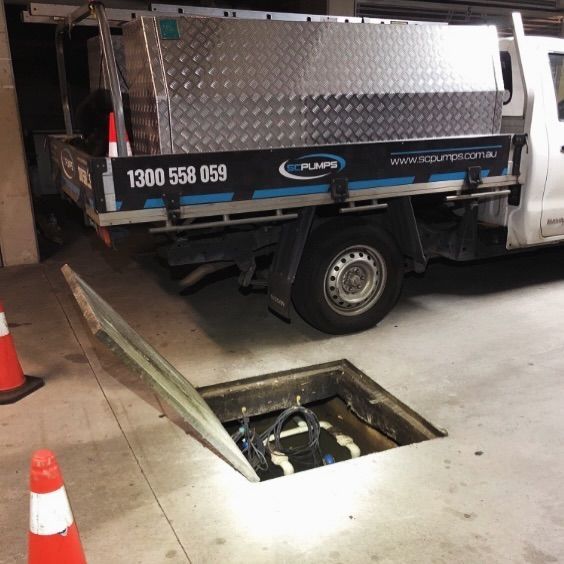
Stormwater pits act as collection points and buffers. They give pumps time to move water out of the system. Pits that are too small fill instantly during heavy rain.
Some buildings have pits sized for light runoff only. They can't cope with roof water, car park drainage, and surface runoff all arriving simultaneously. The pit overflows before the pump has a chance to make a difference.
Pit sizing requires careful calculation. Designers must consider the total catchment area, rainfall intensity, and pump capacity. Getting any of these wrong creates flooding risk.
In some cases, the system may have worked well for years, but changing rainfall patterns and more intense downpours can expose limitations that were not obvious when the building was first constructed.
If your building has experienced unexpected overflows, it may be time to have your current pit and pump configuration assessed by a
water pump expert in Sydney.
Poor Gradient and Fall
Water flows downhill. This basic principle drives stormwater drainage design. Pipes need proper slope to keep water moving. Too flat, and water sits in the pipes. Debris settles. Blockages form.
Many drainage problems trace back to incorrect pipe gradients. Sections installed too flat create persistent slow drainage. Water pools in these areas. During storms, the system can't clear itself fast enough.
Conversely, pipes with excessive fall can cause other issues. Water rushes through too quickly. It creates turbulence. Debris gets pushed into sudden bends or transitions where it jams.
Insufficient Access Points
Drainage systems need regular inspection and cleaning. Without enough access points, maintenance becomes impossible. Blocked pipes stay blocked because nobody can reach them to clear the obstruction.
Well-designed systems include access pits at regular intervals. They allow cameras to inspect pipe conditions. They provide cleanout points where high-pressure jetting can remove blockages.
Buildings with limited access points face ongoing drainage issues. Problems get discovered too late. Clearing blockages requires excavation instead of simple pit access.
Conflicting Drainage Zones
Some buildings mix different drainage types in the same system. Roof water combines with car park drainage. Kitchen waste joins stormwater lines. These combinations create problems.
Grease from kitchens coats stormwater pipes. It narrows the pipe diameter. It catches debris. The system gradually loses capacity.
Proper design separates different drainage types. Stormwater should have dedicated lines. Mixing flows creates maintenance headaches and increases flood risk.
Pump Location Errors
Pumps work best when positioned correctly in relation to the pit and drainage network. Some systems have pumps mounted too high. They can't draw water down efficiently when the pit fills.
Others position pumps where they're difficult to service or replace. Access hatches are too small. Clearance around the pump is minimal. Routine maintenance becomes a major production.
Good design considers both hydraulic efficiency and practical maintenance access. Pumps should be easy to reach, easy to remove, and positioned to maximise performance.
Missing Backup Systems
Single pump systems fail completely when the pump stops working. There's no redundancy. One component failure equals total system failure.
Critical buildings need backup pumps. Dual pump configurations provide reliability. If one pump fails, the second continues operating. The system maintains some capacity during peak demand.
Many buildings with flooding problems have single pumps. Budget constraints during construction led to the decision. The long-term cost of repeated flooding far exceeds the price of a second pump.
Inadequate Debris Screening
Stormwater carries leaves, rubbish, and sediment. This material must be stopped before it reaches the pump. Screens and filters serve this function.
Some systems have inadequate screening. The mesh is too coarse. Small debris passes through and damages pump impellers. Or screens are too fine and clog constantly.
Proper screen design balances debris capture with maintenance requirements. Screens need regular cleaning, but they shouldn't require daily attention to prevent clogging.
Poor Integration with Building Levels
Ground levels, basement depths, and site topography all affect drainage design. Some buildings have basements that sit below the natural drainage point for the area.
Water tries to flow toward these low points. The drainage system must work against natural grade. Pumps need to lift water higher and work harder. Any failure results in immediate flooding because gravity pulls water into the basement.
Design should minimise pumping requirements where possible. Using gravity drainage eliminates pump dependency. Buildings designed without considering site drainage face constant battles against nature.
No Overflow Relief
Good design includes overflow paths for extreme events. When the main system reaches capacity, water needs somewhere to go that minimises damage.
Some buildings trap water with no
relief path. It floods through doors and into occupied spaces. Better design directs overflow to areas where it causes less harm: external courtyards, open air car parks, or designated flood zones.
Solutions Exist
Design flaws create ongoing headaches, but they're not permanent. Systems can be upgraded. Pumps can be added. Pits can be enlarged. Pipes can be replaced.
The first step is identifying which design issues affect your building. Professional assessment pinpoints the problems. Then you can prioritise solutions based on risk and budget.
Sydney Central Pumps evaluates existing stormwater systems and identifies design weaknesses. We provide practical recommendations for upgrades and improvements. Our experience across hundreds of Sydney buildings means we've seen every type of design flaw and know how to fix them.
If you’re concerned about your building's stormwater design, contact Sydney Central Pumps on 1300 558 059 or get in touch with us. We'll assess your system, explain any design limitations, and recommend cost-effective improvements to reduce flooding risk. Servicing Sydney from Manly to the Blue Mountains, we're your stormwater pump specialists.
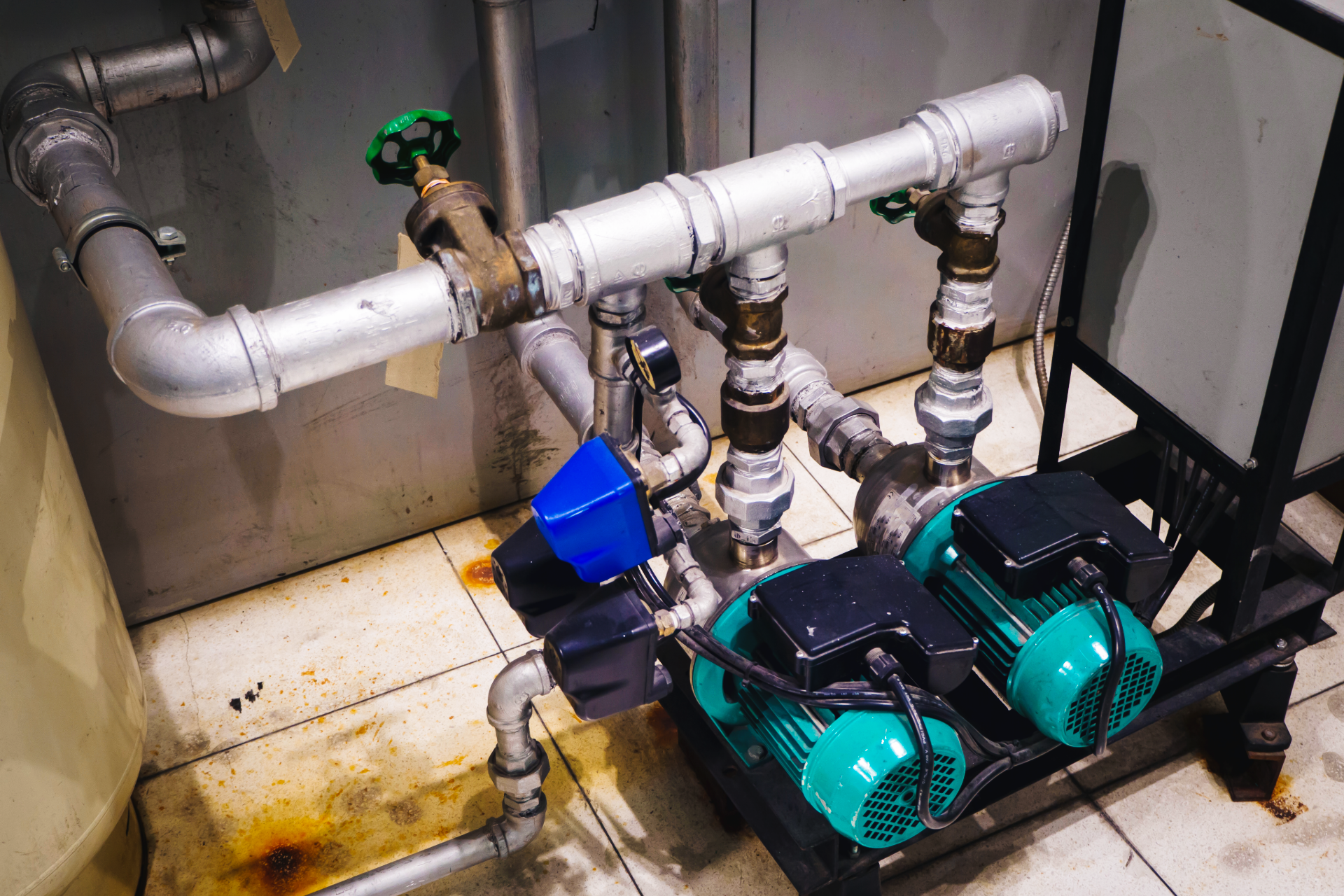
There's no single best water pump. It depends on the building. SC Pumps covers the key types, brands and sizing factors for Sydney strata and commercial sites.
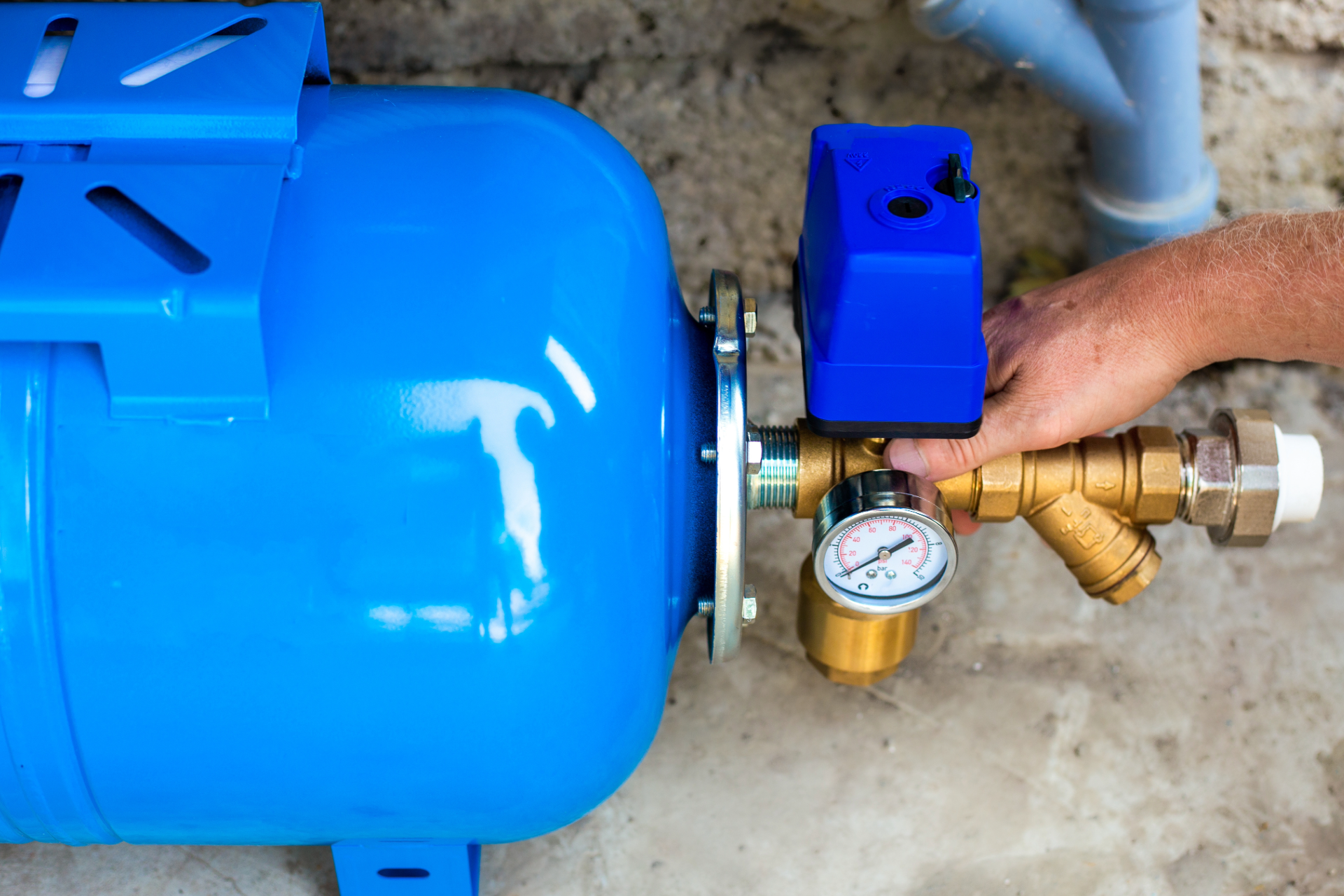
Booster, submersible, circulation, stormwater — different pumps do very different jobs. SC Pumps breaks down the functions & how to match the right type to the job.
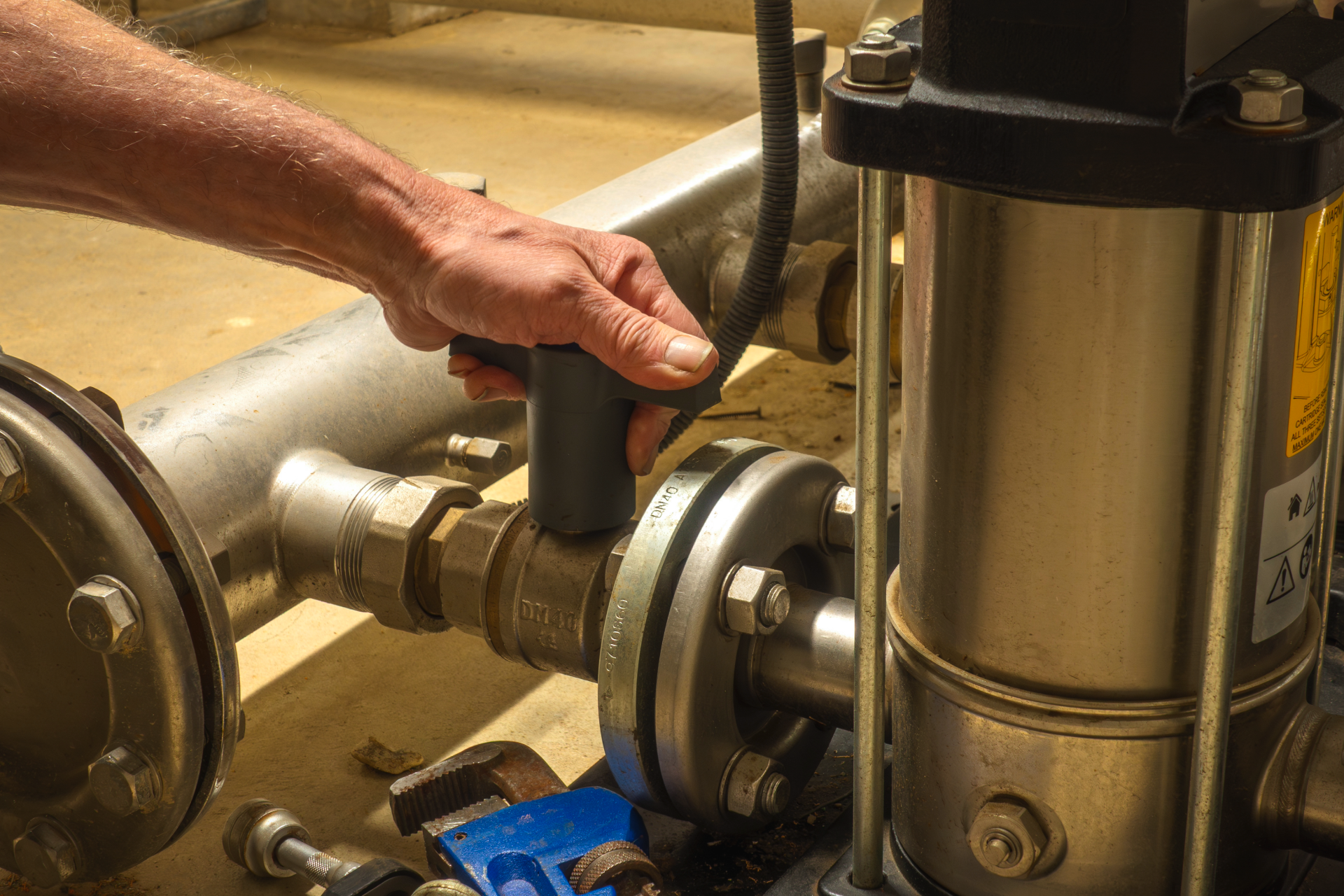
Ground floor gets great pressure. Level fourteen doesn't. SC Pumps explains how to size, back up and maintain water supply pumps that hold up on every floor.