
How to Improve Water Tank Water Pressure in Commercial Buildings
Sydney Central Pumps • July 2, 2026
Low water pressure in a commercial building is more than an inconvenience. It affects tenants, disrupts operations, and can signal bigger problems within the plumbing system.
This guide will explain the basics of water tank water pressure, how pressure tanks and pumps work together, and what to look for when your system is underperforming.
The Basics of Water Pressure
Water pressure is the force that pushes water through pipes and out of taps. In Australia, it is measured in kilopascals (kPa). Every 10 kPa is roughly equal to one metre of head. So if your water tank sits 10 metres above a tap, the pressure at that tap is about 100 kPa.
Height is generally the biggest factor. Every additional metre of elevation adds about 10 kPa. As the water level in the tank drops, pressure will decrease with it. Water towers typically deliver between 200 kPa and 1,000 kPa depending on their height. In a house with a rooftop tank, gravity can handle most of the work. In a commercial building with multiple floors and simultaneous demand, gravity alone often falls short.
Water Pressure and Flow
Pressure and flow are related but not the same. Pressure is the force behind the water. Flow is the volume moving through the system per minute.
A system can have adequate pressure but poor water flow if the pipes are too small. Smaller pipe diameters increase friction and directly restrict water movement. Old or corroded pipes create the same problem. The longer the pipe run, the more water flow slows due to friction loss. Flow is also reduced when multiple outlets like taps, showers, and garden irrigation systems are used at the same time. Upper floors tend to receive less flow than ground-level fixtures, and the difference is often noticeable during peak usage.
For 20mm connections, the minimum expected flow rate is 20 litres per minute. If your building is not hitting that, the issue could be pipe sizing, pump capacity, or both.
What Is a Pressure Tank?
A pressure tank, also called a pressure vessel, is a metal or fiberglass container designed to store water under pressure. The concept is simple. Inside the tank, a rubber diaphragm divides it into two halves. The wet half holds water. The dry half holds compressed air.
Think of the air side like a balloon. Air is compressible, so when the pump fills the tank with water, the air pressure increases as it is squeezed into a smaller space. When a tap opens, that compressed air pushes water out into the pipes. This keeps pressure steady between pump cycles.
Pressure Vessel Sizes and Ratings
Pressure tanks range from 2 litres up to 500 litres for larger commercial systems. Most are pre-charged to between 100 kPa and 175 kPa.
Why Pressure Tanks Matter
Without a pressure tank, the pump starts every time someone opens a tap. When the tap shuts, the pump switches off. This rapid on-off cycling increases wear on the motor and shortens its lifespan. A properly sized pressure tank prevents this by storing a small amount of pressurised water to handle minor draws without triggering the pump.
Types of Pressure Tanks
Metal Pressure Tanks
Steel tanks are the most common in commercial applications. They handle higher pressures and are built for demanding environments. The trade-off is weight and potential corrosion over time.
Fibreglass Pressure Tanks
A fiberglass container offers a lighter, corrosion-resistant alternative to steel. Some models feature replaceable bladders, which makes servicing cheaper because the whole tank does not need replacing when the diaphragm wears out. Both price and lifespan can vary depending on the manufacturer and capacity.
Thermal Expansion Tanks
In closed-loop systems, heated water expands and has nowhere to go. A thermal expansion tank absorbs this extra volume and prevents dangerous pressure spikes. These are commonly found alongside hot water systems in commercial buildings.
How Pressure Pumps Work with Pressure Tanks
A pressure pump and tank work as a pair. As the system builds pressure, water fills the tank. Once pressure reaches the cut-out point, the pump shuts off. The pipes remain pressurised between cycles because the tank and check valve hold the pressure in place. As taps open and pressure drops, the tank supplies water until pressure falls to the cut-in point. The pump then turns back on and pressure builds again until the cycle repeats.
When water stops flowing and all taps are closed, the check valve on the pump outlet prevents water from bleeding back into the supply line.
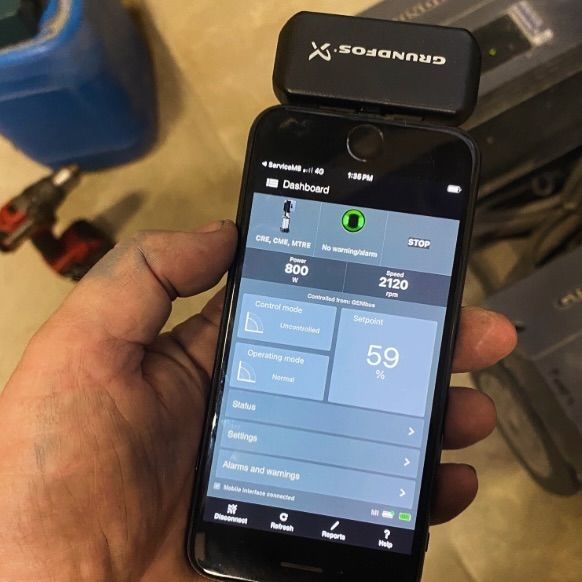
Many modern systems use electronic pressure controllers instead of mechanical switches. These are especially important in areas where municipal pressure drops due to elevation or distance, and we're a trusted Davey pump supplier in Sydney, commonly specified for this exact job in strata and commercial buildings. If your system still relies on an older pressure switch setup, it may be worth discussing an upgrade with a team that provides professional water pump services in Sydney.
Setting the Precharge Pressure
The precharge is the air pressure inside the tank before any water enters. To check it, isolate the tank from the system and drain it fully. Use a pressure gauge on the Schrader valve at the top of the tank. The precharge should sit about 10 to 15 per cent below the pump's cut-in pressure. For example, if the pump cuts in at 200 kPa, set the precharge to around 170 kPa to 180 kPa.
If the precharge is too low, the tank fills with too much water and the air cushion cannot do its job. This leads to rapid cycling. If the precharge is too high, the tank stores very little water and the pump runs more often than it should.
Installation Considerations
Pressure tanks should always be installed after the check valve on the pump's outlet side. This keeps the tank pressurised even when the pump is off. Larger tanks should be mounted on a stable, level base that can support the full weight of the tank when filled. Indoor or shaded locations are preferable to protect the tank from direct sun and heat, which can affect the air pressure inside.
High Pressure Risks and Safety
Most commercial pump systems operate within safe limits, but faults in the control system or a failed pressure switch can allow pressure to climb beyond what the pipework and fittings are rated for. A pressure-relief valve should be installed on the outlet side of the system to release excess pressure before it causes damage. Buildings with booster pump setups should have their relief valve tested as part of every scheduled service.
Maintenance and Diaphragm Care
The rubber diaphragm inside a pressure tank wears over time. A failed diaphragm causes the tank to become waterlogged, meaning the air cushion is gone and the pump cycles rapidly.
To check it, press the Schrader valve. If water comes out instead of air, the diaphragm has failed. On tanks with replaceable bladders, this is a straightforward fix. On sealed units, the entire tank needs swapping out. Inspect the tank exterior regularly for corrosion, dents, or leaking fittings. Catching problems quickly avoids more costly Sydney pump repairs down the track.
Troubleshooting Quick Guide
If your building is experiencing pressure problems, start with these checks:
Rapid on-off cycling
This usually points to low precharge pressure or a failed diaphragm. Check the precharge first.
Gradual pressure loss
Look at the check valve. If it is not sealing properly, water bleeds back and the tank cannot hold pressure.
Low pressure on upper floors only
This is often a pipe sizing or pump capacity issue rather than a tank problem.
Inconsistent pressure across the building
This one can take a bit of investigation. Causes range from partially closed valves to corroded pipework restricting flow in certain branches.
When to Call a Specialist
Getting the tank sizing, precharge, and pump pairing right takes experience. An undersized tank leads to excessive cycling. An oversized one wastes space and budget. The pump needs to match the building's peak demand, not just its average usage.
Sydney Central Pumps works with strata managers, building managers, and commercial property owners across Sydney. From pump and pressure tank installations to servicing and urgent repairs, the team handles the full scope of commercial pump work. If your building's water pressure is not where it should be, get in touch and we will sort it out.
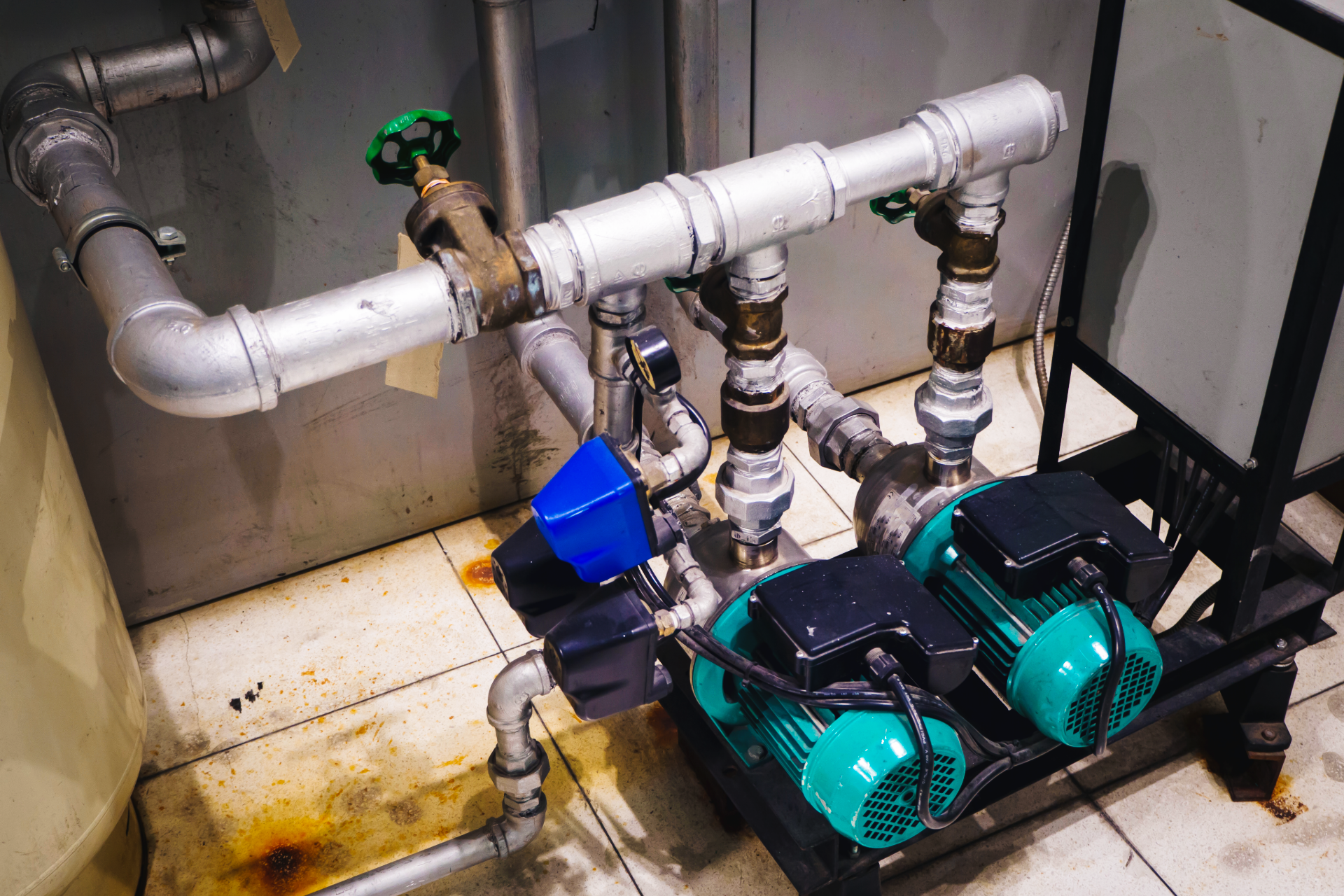
There's no single best water pump. It depends on the building. SC Pumps covers the key types, brands and sizing factors for Sydney strata and commercial sites.
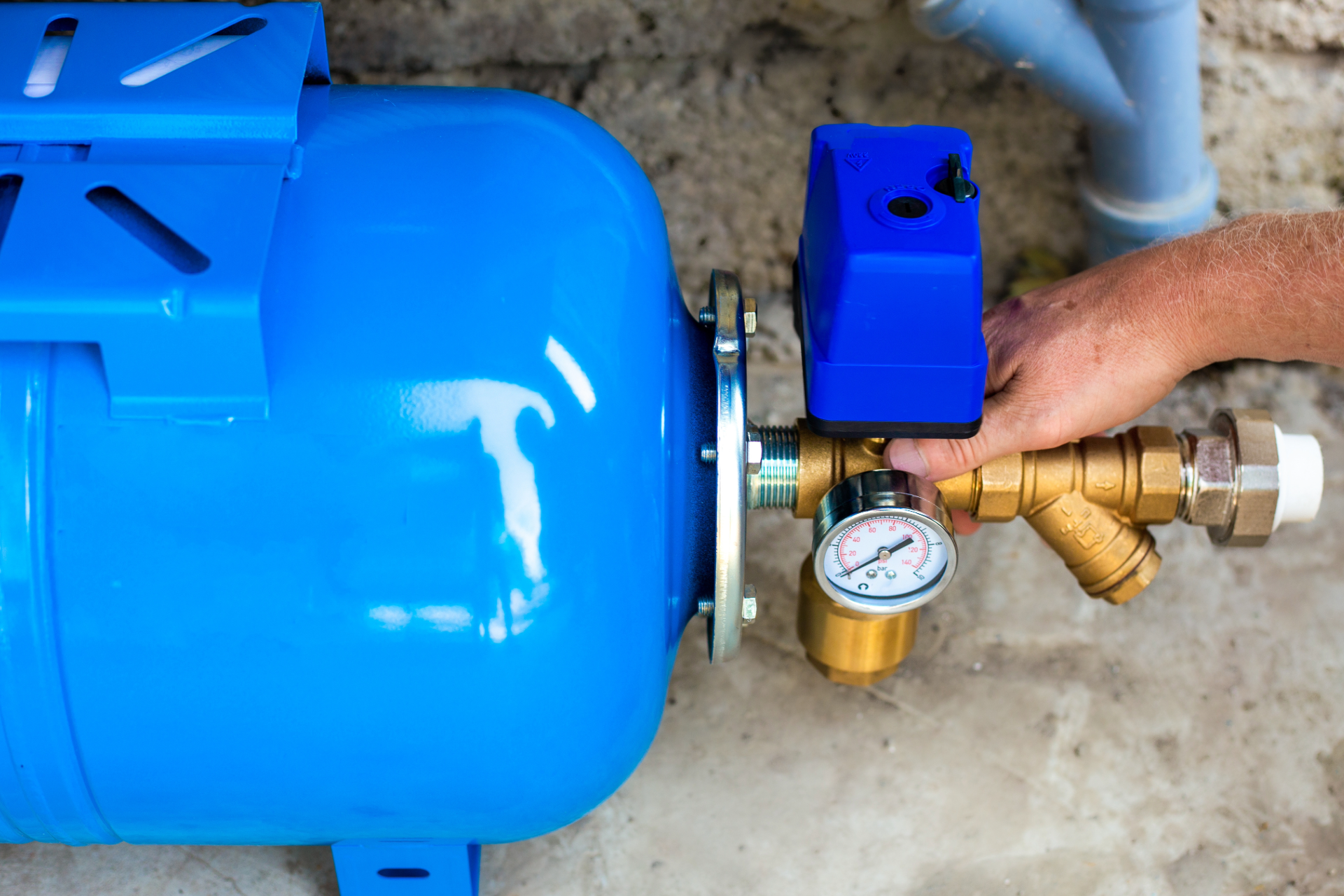
Booster, submersible, circulation, stormwater — different pumps do very different jobs. SC Pumps breaks down the functions & how to match the right type to the job.
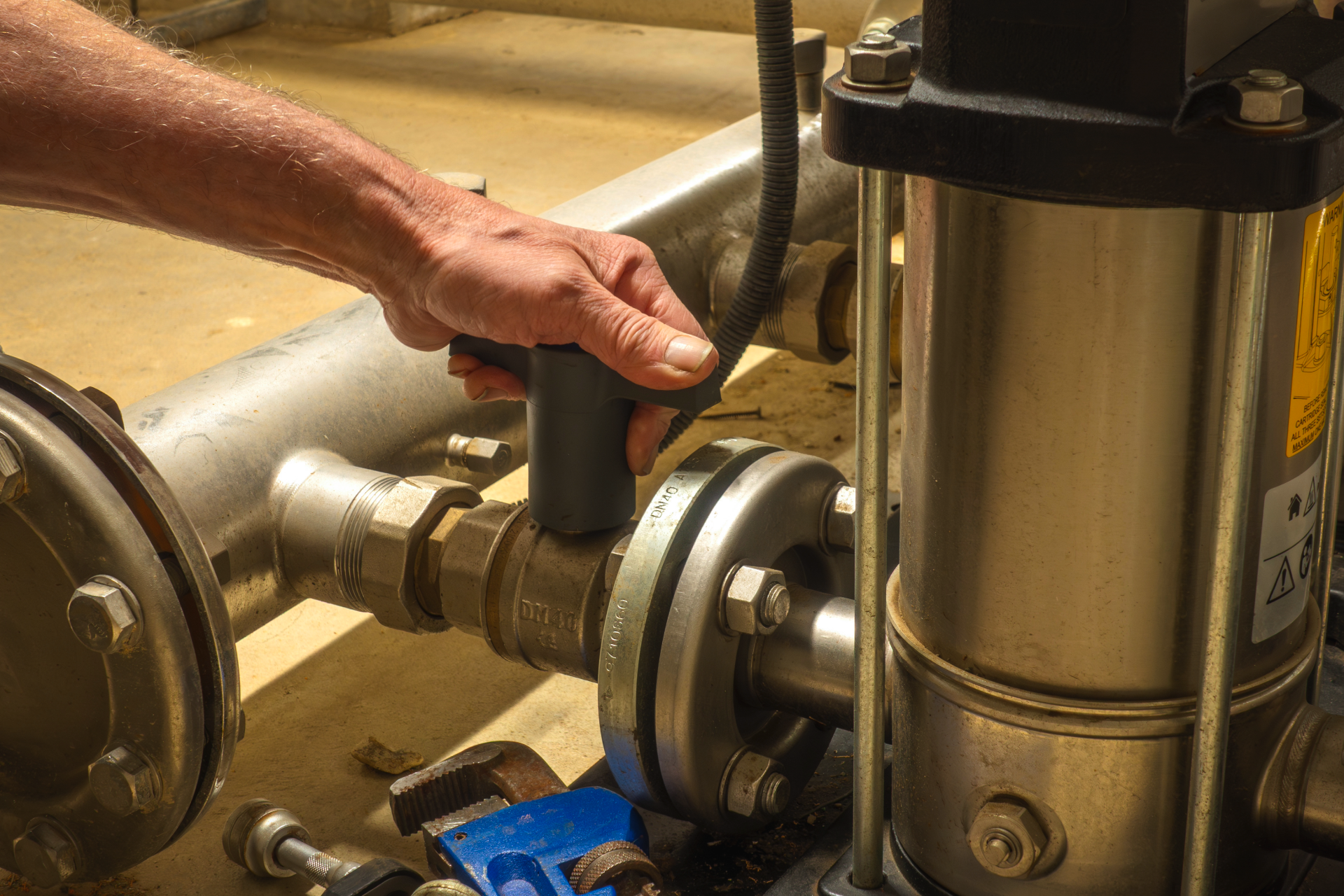
Ground floor gets great pressure. Level fourteen doesn't. SC Pumps explains how to size, back up and maintain water supply pumps that hold up on every floor.