
Why Basements Flood During Intense Sydney Rainfall Events
Sydney Central Pumps • March 19, 2026
Basement flooding rarely happens without warning. It is usually the result of small system weaknesses exposed under pressure. When intense rainfall hits Sydney, which can push pump and drainage infrastructure beyond its original capacity, stormwater systems are forced to operate at full capacity. If any part of the setup is undersized, poorly maintained, or incorrectly configured, water will find the lowest point in the building. In most cases, that point is the basement.
The Lowest Point Problem
Basements sit below ground level by definition. Water flows downhill. This creates an obvious vulnerability. Every drop of rain that falls on your building and the surrounding area wants to end up in your basement.
Buildings fight gravity constantly. Stormwater systems must actively remove water that naturally accumulates at low points. When these systems fail or get overwhelmed, basements flood fast.
The ground around your building is already saturated from previous rain. New rainfall has nowhere to go except down. It seeps through soil. It finds cracks in basement walls. It pools against foundations.
Overwhelmed Drainage Systems
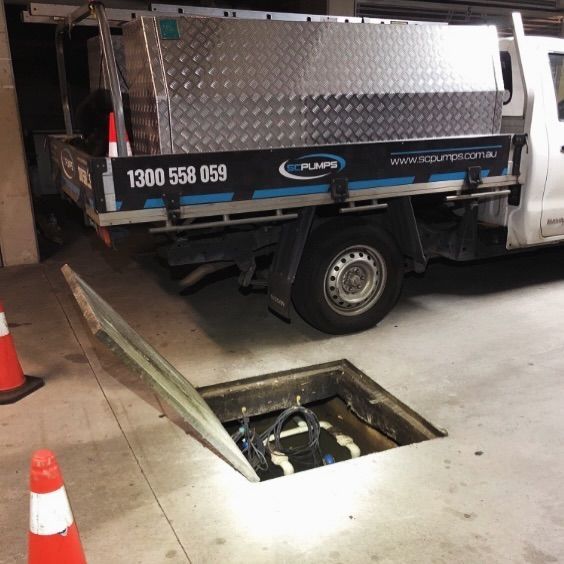
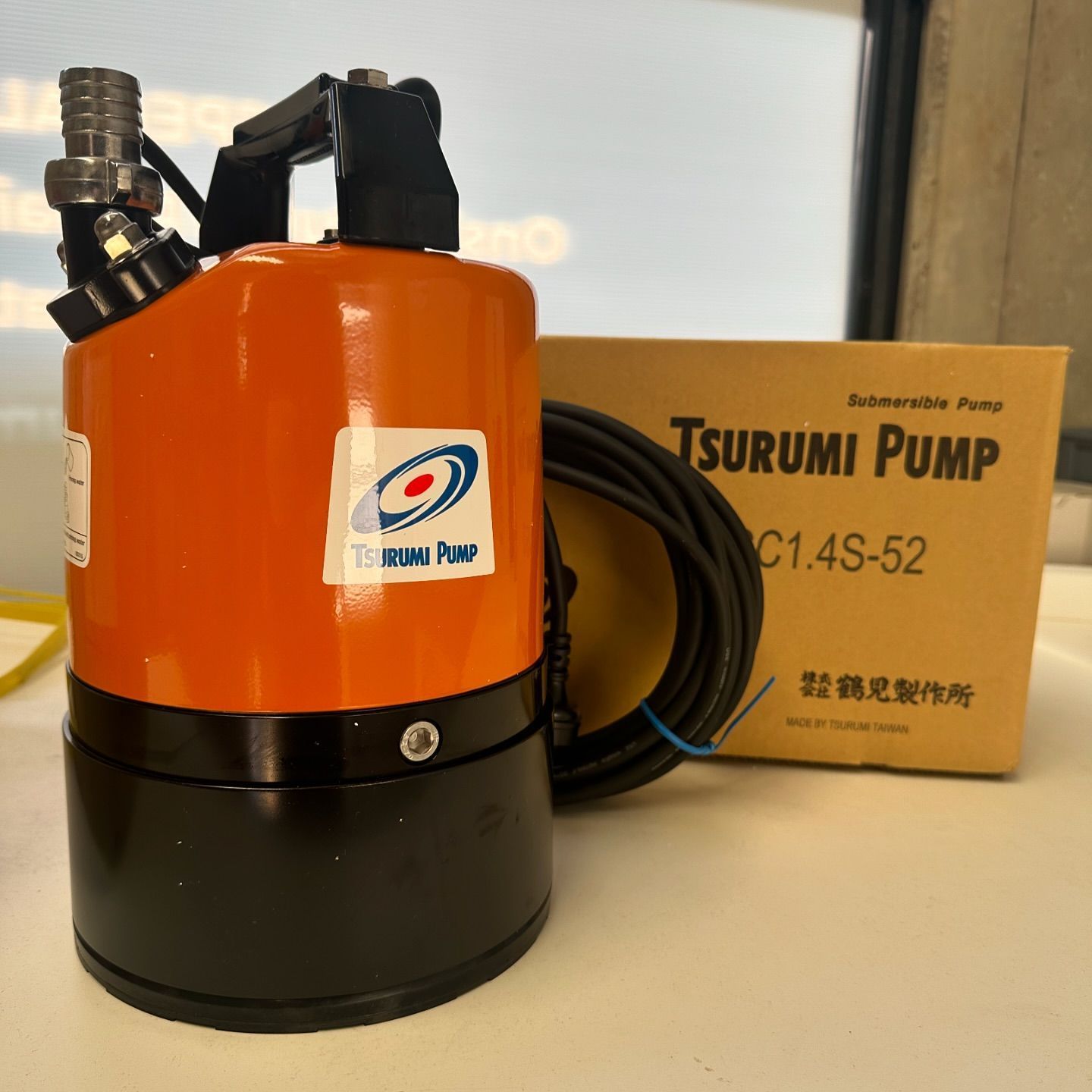
Most basements rely on pumps to stay dry. These pumps remove water from collection pits. They push it up and out to street-level drainage. The system works fine during light rain.
Intense Sydney storms deliver different conditions. Rain falls faster than the system was designed to handle. The pit fills rapidly. The pump runs constantly but can't keep up.
Even properly sized pumps have limits. When rainfall intensity exceeds design specifications, flooding becomes inevitable. This happens more frequently as extreme weather events increase.
If your building has experienced repeated flooding during heavy rain, it may be time to review whether the current pump capacity and drainage setup are still adequate for today’s conditions. The
Sydney stormwater pump specialists at SC Pumps can assess your existing system, identify weak points, and recommend practical upgrades to improve performance during extreme rainfall.
Surface Water Intrusion
Basement flooding doesn't always come from inside the drainage system. Surface water finds ways in. Car park ramps lead down from street level. Water rushes down these ramps during heavy rain.
Doorways and access points create entry routes. Weather seals deteriorate over time. Gaps appear. Water pushes through during intense rainfall when pressure builds up outside.
Loading docks and goods lifts provide pathways. These areas need to remain accessible, which makes them hard to fully seal. Heavy rain exploits these weak points.
Groundwater Pressure
Intense rainfall saturates the surrounding soil completely. Groundwater levels rise. Pressure builds against basement walls and floors.
Older buildings have construction methods that allow water penetration. Hydrostatic pressure forces water through microscopic cracks and porous concrete. The basement literally weeps water from walls and floors.
Modern waterproofing helps, but nothing is completely impervious under extreme pressure. When the water table rises above basement floor level, seepage becomes hard to prevent.
Blocked Drains and Gutters
Building drainage starts at the roof. Gutters collect rainfall. Downpipes channel it to ground level. From there, it should flow to street drains or stormwater systems.
Blocked gutters overflow. Water cascades down building walls. It pools at ground level right next to the building. This water finds every possible entry point to the basement.
Car park drains suffer similar problems. Leaves, rubbish, and debris wash across surfaces during rain. They collect over drain grates. Water can't enter the drainage system properly. It sheets across the car park and down into basement levels.
Failed Sump Pumps
Many basements have sump pumps as a last line of defence. These sit at the absolute lowest point. They collect water that seeps through walls or comes up through floors.
Sump pumps fail at the worst possible time - during storms. They run continuously during heavy rain. Motors overheat. Bearings wear out. Electrical components give up under stress.
A failed sump pump means water accumulates with nothing to remove it. Flooding accelerates. By the time anyone notices, centimetres of water might cover the basement floor.
Power Outages
Pumps need electricity. Severe storms often cause power cuts. Your building loses power. Every pump stops working. Water continues pouring into the basement.
Buildings without backup power systems are completely vulnerable. Emergency generators help, but they must switch on automatically and quickly. Manual changeover during a 3 AM storm might not happen fast enough.
Battery backup systems provide limited runtime. They keep pumps operating for hours, not days. Extended outages still result in flooding.
Inadequate Pump Capacity
Some buildings have pumps that were adequate when installed but struggle with current conditions. Rainfall patterns have intensified. The building's drainage demands have increased.
Single pumps can't cope with extreme events. They need backup support. Dual pump systems handle peak flows much better. When one pump can't keep up, the second activates.
Buildings that still rely on original single-pump installations from decades ago face recurring flood risk during intense rain.
Poor Maintenance History
Pumps need regular attention. Screens need cleaning. Float switches need testing. Impellers need inspection. Control panels need servicing.
Buildings that skip maintenance discover problems during storms. The pump that should have protected the basement sits broken in the pit. Water rises uncontrolled.
Years of deferred maintenance compound. Multiple small issues combine into system failure. The basement floods during the next serious rain event.
Regular pump inspection and servicing are critical to identify faults early, before they escalate into costly flooding during the next downpour.
Drainage System Age
Building infrastructure ages. Pipes corrode. Joints separate. Tree roots invade. The drainage network gradually loses capacity.
Older systems handled lighter historical rainfall. They're overwhelmed by modern storm intensity. Cracked pipes allow groundwater to enter. Collapsed sections create blockages.
The entire system works less efficiently than when new. Combined with more intense rainfall, this creates perfect conditions for basement flooding.
Entry Point Vulnerabilities
Basements have multiple potential water entry points. Lift pits, service penetrations, cable ducts, and pipe entries all compromise the basement envelope.
Sealing these points perfectly is nearly impossible. Water under pressure finds tiny gaps. During intense rain, water enters through routes that stay dry during normal conditions.
Stay Dry This Storm Season
Basement flooding frustrates building managers and distresses residents. But it's not unavoidable. Professional pump maintenance, system capacity upgrades, and regular inspections dramatically reduce flood risk.
Understanding why your basement floods is the first step toward solving the problem. Different causes require different solutions. Proper assessment identifies the specific vulnerabilities affecting your building.
Sydney Central Pumps has extensive experience protecting Sydney basements from flood damage. We inspect stormwater and sump pump systems, identify weak points, and recommend practical improvements. Our maintenance programmes keep pumps ready for intense rainfall events.
Tired of basement flooding every storm? Call Sydney Central Pumps on 1300 558 059 or
send us an enquiry. We service buildings across Sydney and can assess your basement's flood risk. Our team provides honest recommendations and reliable maintenance to keep your basement dry when Sydney's weather turns severe.

Davey pump losing pressure, cycling constantly or humming without starting? SC Pumps breaks down the most common causes and when to call a technician in Sydney.
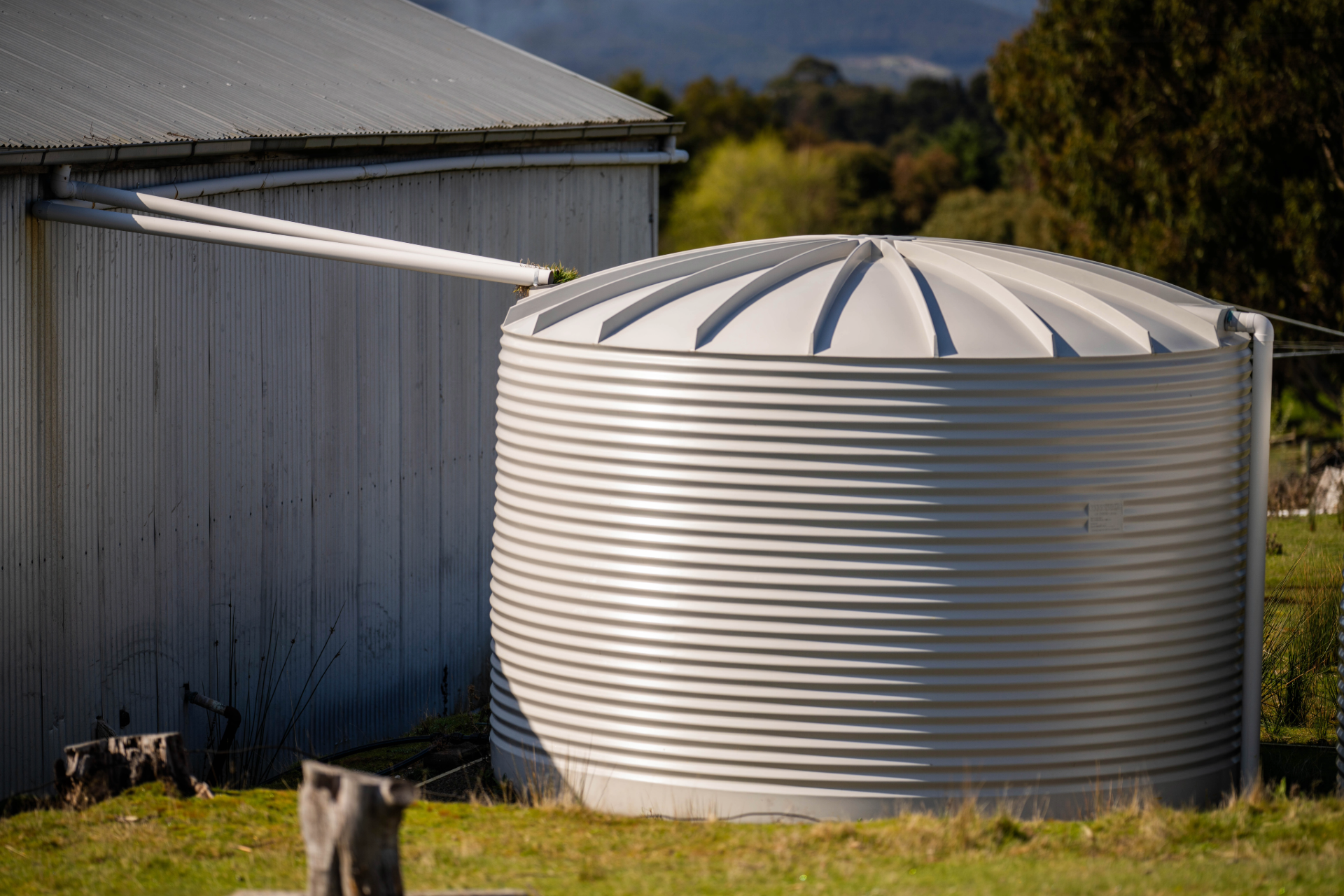
Choosing the wrong pump for your rainwater tank setup leads to short cycling, poor pressure and early failure. SC Pumps covers what to consider before you install.

From centrifugal to submersible and booster pumps, this guide covers how irrigation system pumps work, what goes wrong, and when to call a specialist in Sydney.