
How Often Should You Schedule Sewage Pumping Station Maintenance?
Sydney Central Pumps • January 13, 2026
It's 3 PM on a Friday afternoon. Your sewage pumping station alarm goes off. The carpark is starting to flood with wastewater. Tenants are complaining. And your regular maintenance contractor can't come until Monday.
This nightmare scenario plays out more often than you'd think. And it's almost always preventable with proper sewage pumping station maintenance.
Sewage pumping stations are critical to keeping wastewater moving through your property to municipal treatment plants or septic systems. When they fail, the results can be messy, expensive, and disruptive. Regular maintenance prevents these problems and keeps your system running reliably.
But how often should you actually service your sewage pumping station? The answer depends on several factors, including system size, usage levels, and manufacturer recommendations. Here's what you need to know about maintenance scheduling.
Standard Maintenance Intervals
Most sewer pump stations need professional servicing every 6 to 12 months. This frequency suits typical residential and commercial applications.
High-use systems may require more frequent attention. Properties with heavy wastewater flow, such as apartment buildings, shopping centres, or industrial facilities, often benefit from quarterly servicing. This catches wear and tear before it causes pump failure.
Smaller residential systems with light use might stretch to annual servicing. However, skipping regular pump station checks increases the risk of unexpected breakdowns.
Factors That Affect Maintenance Frequency
Your pump maintenance schedule should account for your specific situation. Consider these factors:
- System age plays a big role. Older pumping stations need more frequent checks as components wear out. Newer systems might run longer between services, but still require regular attention.
- Daily usage volume matters significantly. A system handling wastewater from 50 apartments works much harder than one serving a single home. Higher volumes mean more frequent servicing.
- Environmental conditions affect performance too. Sewerage pump stations in areas with high groundwater, extreme temperatures, or corrosive soil need closer monitoring.
- The type of waste being pumped influences maintenance needs. Domestic systems differ significantly from industrial pumps serving treatment facilities or processing industrial wastewater or dealing with grease and food waste.
Do Sewage Pumps Need Maintenance?
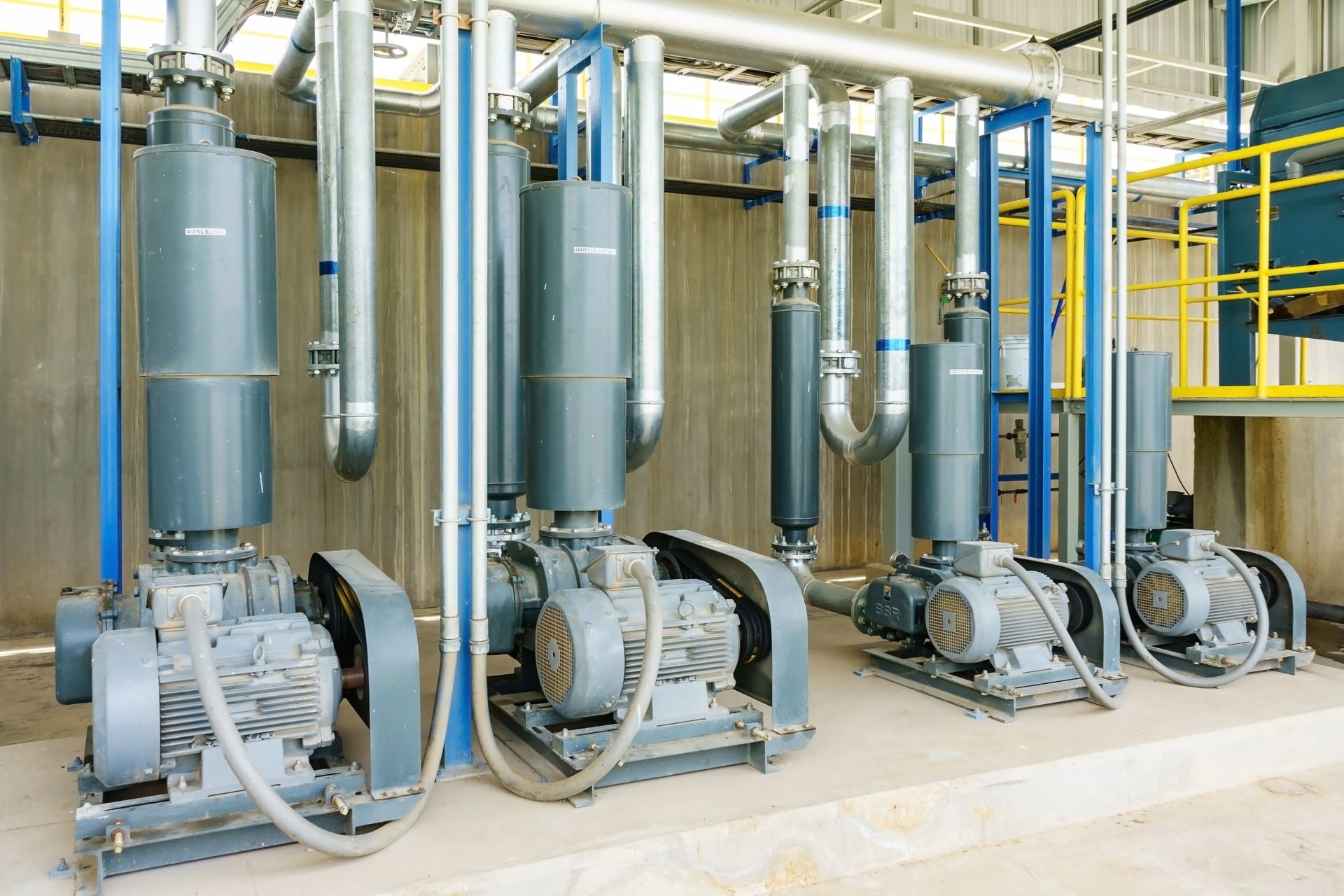
Yes, sewage pumps absolutely need regular maintenance. These are mechanical systems with moving parts, electrical components, and sensors. All of these pump components wear over time.
Without proper sewage pumping station maintenance, small problems become big failures. A worn seal might seem minor, but it can lead to motor flooding and complete pump failure. Regular servicing catches these issues early.
What Happens Without Regular Maintenance
Neglected sewage pumps face several common problems. The pump impeller can clog with solid waste and debris, reducing flow and putting strain on the motor. This leads to overheating and premature failure.
Float switches control when pumps turn on and off. When these fail, pumps either don't start when needed or run continuously with the pump overload kicking in repeatedly. Both scenarios cause damage and potential overflow.
Electrical connections corrode in the humid environment of pumping stations. A motor power supply faulty from loose or corroded wiring creates fire hazards and causes intermittent operation.
Check valves prevent backflow into the wet well. When they stick or fail, sewage flows backwards, forcing pumps to work harder and waste energy.
The Cost of Skipping Maintenance
Emergency repairs cost far more than routine maintenance. Complete pump failure means urgent callout fees, rush parts orders, and possible sewage overflow cleanup.
A well-maintained sewage pump can last 10-15 years or more. Without proper care, you might need replacement in just 5-7 years. The cost difference is substantial.
There's also the disruption to consider. Building occupants can't use plumbing during pump failure situations. For commercial properties, this means lost business and unhappy tenants.
Benefits of Regular Servicing
Scheduled sewage pumping station maintenance gives you peace of mind. You know your system is working properly and won’t fail unexpectedly.
Regular checks improve energy efficiency. Clean pumps with properly adjusted float switches use less power. Over time, this adds up to real savings on electricity bills.
You also get expert eyes on your system. Experienced technicians spot minor or major faults that building managers might miss. They can recommend upgrades or replacements before costly repairs become necessary.
How to Service a Pump Station?
Servicing a pump station involves both routine checks and detailed inspections. The pump station requires systematic examination of every component.
The process typically takes 1-3 hours depending on system size and complexity. Here’s what’s involved:
Visual Inspection
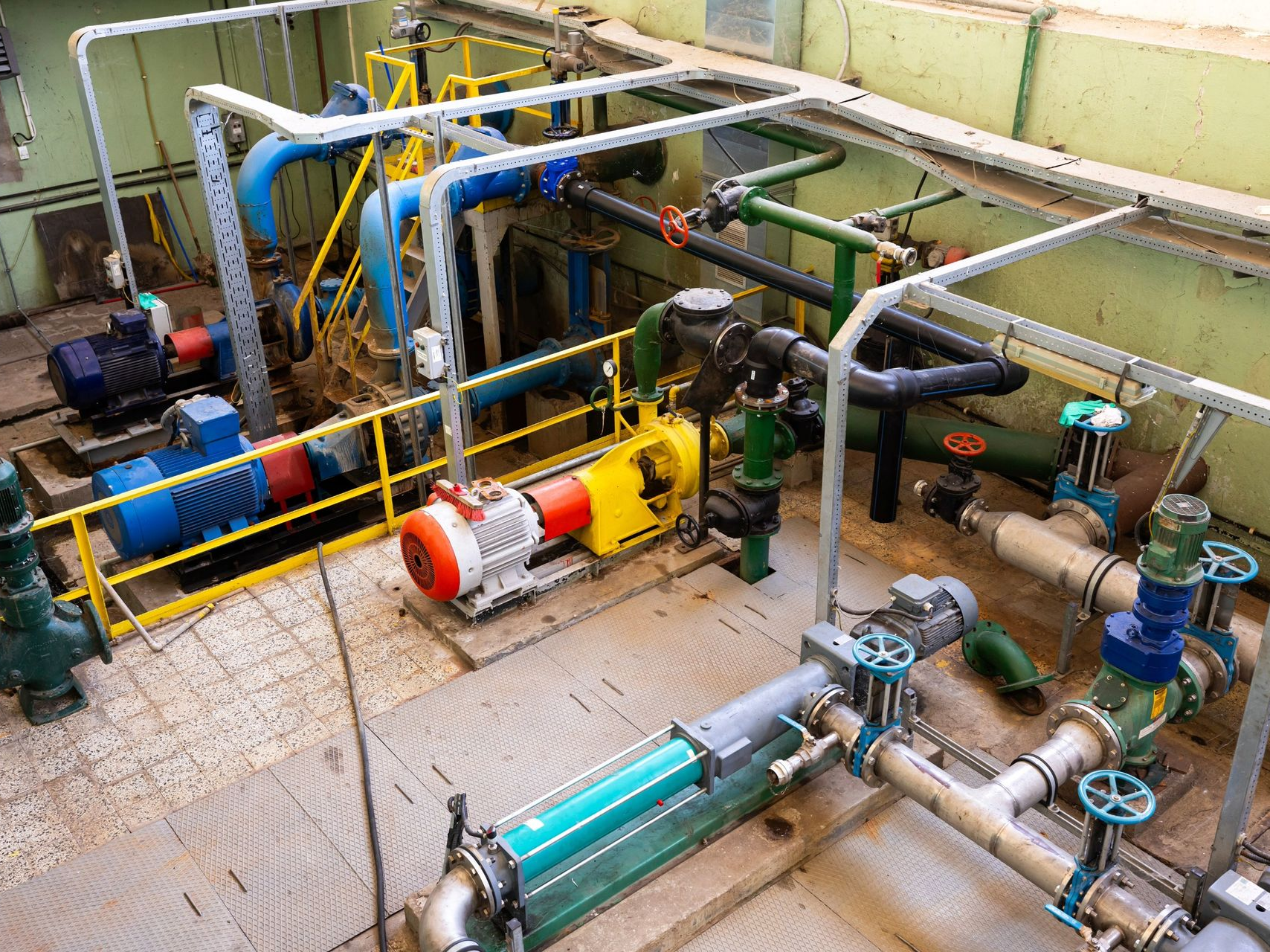
Technicians start with a thorough visual check of the entire pumping station. They look for signs of leaks, corrosion, or damage to the pump station chamber, wet well, pipes, and control panel.
The surrounding area is inspected too. Cracks in concrete, settling ground, or water pooling can indicate structural problems that need attention.
Pump Removal and Cleaning
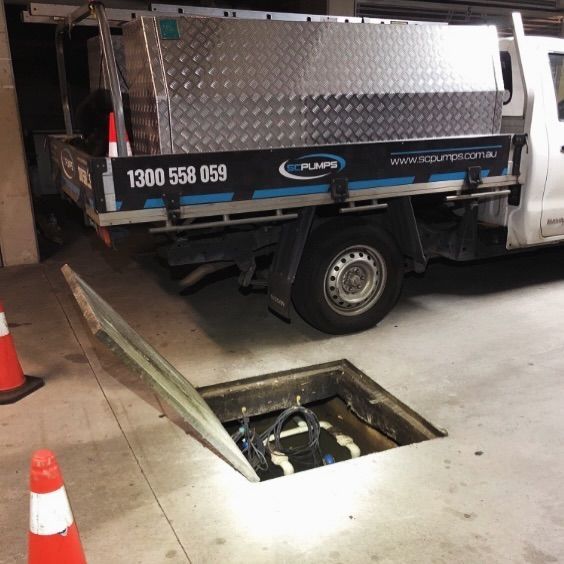
Most service visits include removing the submersible pump from the wet well. This allows proper cleaning and inspection of the impeller, seals, and housing.
Debris like rags, wipes, and hair commonly wrap around impellers. Removing this buildup restores full pumping capacity and reduces motor strain.
The wet well itself gets cleaned during this process. Technicians remove sediment and grease buildup that can harbour bacteria and create odours.
Component Testing
Float switches are tested for proper operation. These need to activate at the correct water levels and shut off reliably. Faulty switches get adjusted or replaced.
Check valves are inspected to verify they’re seating properly and preventing backflow. Worn or stuck valves need replacement.
Electrical connections are checked for tightness and corrosion. Loose connections cause overheating and poor performance. Corroded terminals get cleaned or replaced.
The alarm system is tested to confirm it alerts properly when water levels get too high. This is your warning system for problems, so it must work reliably.
Performance Testing
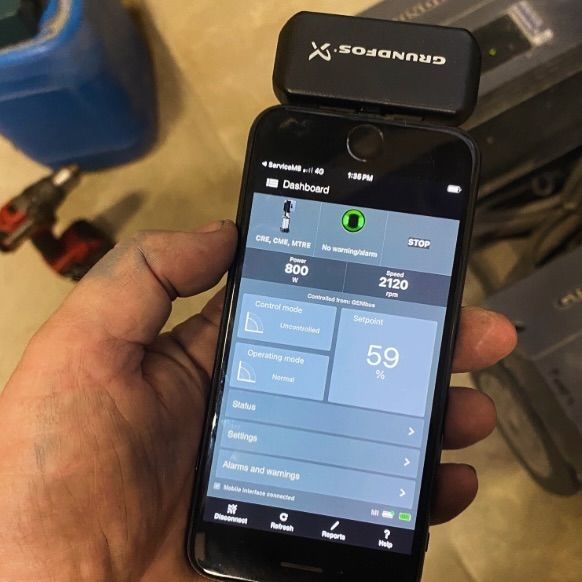
After cleaning and inspections, technicians run the pump through complete cycles. They measure flow rates, check pump runtime, and verify the system performs to specifications.
Motor current draw is measured to spot potential problems. Higher than normal current suggests worn bearings, blockages, or other issues that need addressing.
Documentation
Good technicians keep detailed records of each service visit. This documentation tracks pump performance over time and helps predict when components might need replacement.
Service reports should include photos, test results, and recommendations for any repairs or upgrades. These records prove valuable for warranty claims and compliance reporting.
What is the Proper Maintenance of a Sewage System?
Proper sewer system maintenance extends beyond just the pumping station. The entire system needs attention to work reliably.
A complete approach covers the pumps, wet well, discharge lines, control systems, and all related components. Each part plays a role in overall performance.
Wet Well Maintenance
The wet well or pump chamber collects sewage before pumping. It needs regular cleaning to prevent sediment buildup and grease accumulation.
Ventilation must be checked and maintained. Proper airflow prevents dangerous gas buildup and helps control odours.
The wet well structure should be inspected for cracks, leaks, or corrosion. Water infiltration or sewage leakage creates health hazards and reduces system efficiency.
Discharge Line Care
Discharge pipes move sewage from the pumping station to the main sewer, septic tank, or wastewater treatment facility. These lines can develop blockages, especially at bends and connections.
Periodic flushing helps prevent buildup. High-pressure water jetting clears developing blockages before they cause problems.
Air release valves along the discharge line need checking. These prevent air locks that reduce pumping efficiency.
Control Panel Maintenance
Control panels with complex control systems manage pump operation and monitor system status. They contain sensitive electronics that need protection from moisture and corrosion.
Panel seals should be checked regularly. Water intrusion damages components and creates safety hazards.
Relay contacts can pit and burn over time. Testing and replacing worn contactors prevents unexpected failures.
Preventative Measures
Good preventative maintenance includes preventing problems before they start. Building occupants should understand what not to flush. Wipes, sanitary products, and cooking grease cause most pumping station blockages.
Installing screens or filters at inlet points can catch problem materials before they reach pumps. These need regular cleaning to stay effective.
Regular monitoring helps too. Simple checks between professional services can catch obvious problems early. Look for unusual odours, strange noises, or alarm activations.
What is the Standard Checklist for Pump Maintenance?
Professional pump maintenance follows a detailed checklist. This makes sure nothing gets overlooked during service visits.
Different properties may need customised checklists, but core items remain consistent. Here’s what a thorough maintenance checklist includes:
Pre-Service Checks
- Before starting work, technicians verify the system is safe to service. They check for confined space hazards, test for toxic gases, and set up proper ventilation.
- Power is isolated at the main disconnect. Lockout/tagout procedures prevent accidental pump activation during servicing.
- The wet well water level is checked. If it’s unusually high or low, this indicates potential problems that need investigation.
Pump Inspection Items
- Remove and clean pump impeller. Check pump components for damage, wear, or clogging. Clean all debris and buildup from impeller vanes.
- Inspect mechanical seals for leaks or wear. Replace if showing signs of deterioration.
- Check pump housing and motor housing inspection port for cracks, erosion, or corrosion. Note any damage for repair or replacement.
- Examine power cable for damage, cracks, or wear. Damaged cables create serious safety hazards.
- Test pump motor insulation resistance. Low readings indicate water penetration or winding damage.
Control System Checks
- Test float switches at all activation points. Verify they trigger at correct water levels.
- Check control panel for loose connections, motor power supply faulty conditions, signs of overheating, or burnt components.
- Verify contactor operation. Listen for clean engagement and check contact surfaces.
- Test overload protection. Confirm it’s set correctly for motor specifications.
- Confirm alarm system activates at proper water levels. Test both audio and visual indicators.
Wet Well and Piping
- Clean wet well of sediment and debris. Remove grease buildup from walls and floor.
- Inspect wet well structure for cracks or deterioration. Check all penetrations for leaks.
- Examine guide rails and pump mounting system. Make sure everything is secure and aligned properly.
- Test check valve operation. Verify it closes completely and prevents backflow.
- Check discharge piping for leaks, corrosion, or damage. Pay special attention to joints and connections.
- Verify vent pipes are clear and functioning. Blocked vents create dangerous pressure and gas issues.
Performance Testing
- Run pump through complete operating cycle. Observe start, run, and stop sequences.
- Measure and record motor current draw. Compare to previous readings and manufacturer specifications.
- Check pump run times and cycle frequency. Unusually short or long cycles indicate problems.
- Listen for unusual noises during operation. Grinding, rattling, or squealing sounds need investigation.
- Verify water level drops at expected rate. Slow drainage suggests blockages or pump wear.
Documentation and Reporting
- Record all measurements, observations, and work performed. Include photos of any damage or concerns.
- Note parts replaced and materials used. This tracks component lifespan and helps predict future needs.
- Provide recommendations for repairs, upgrades, or increased servicing frequency if needed.
- Update service history and create reminder for next scheduled maintenance.
Creating Your Maintenance Schedule
The right sewerage pump station maintenance schedule depends on your specific system and usage. Start with manufacturer recommendations as your baseline. These are typically found in equipment manuals or installation guides.
Adjust based on your actual operating conditions. Systems that run frequently or handle heavy loads need more attention. Your service provider can help determine the optimal schedule.
Keep detailed records of all pump station maintenance visits. Track what was done, what parts were replaced, and any issues found. This information helps predict when major components might need replacement.
Takeaway
While some basic checks can be done in-house, professional servicing is essential. Qualified technicians have the tools, training, and experience to spot problems early.
At Sydney Central Pumps, we offer flexible sewerage pump station maintenance programs for systems of all sizes. Our team services all types of systems across Sydney. We provide scheduled maintenance services at intervals that best suit your needs. Each service includes comprehensive checks, detailed reporting, and expert recommendations.
Our technicians carry extensive spare parts and can handle most repairs during routine service visits. This minimises downtime and keeps your system running reliably.
Get in touch with us today to set up a maintenance schedule that protects your investment and prevents costly failures.
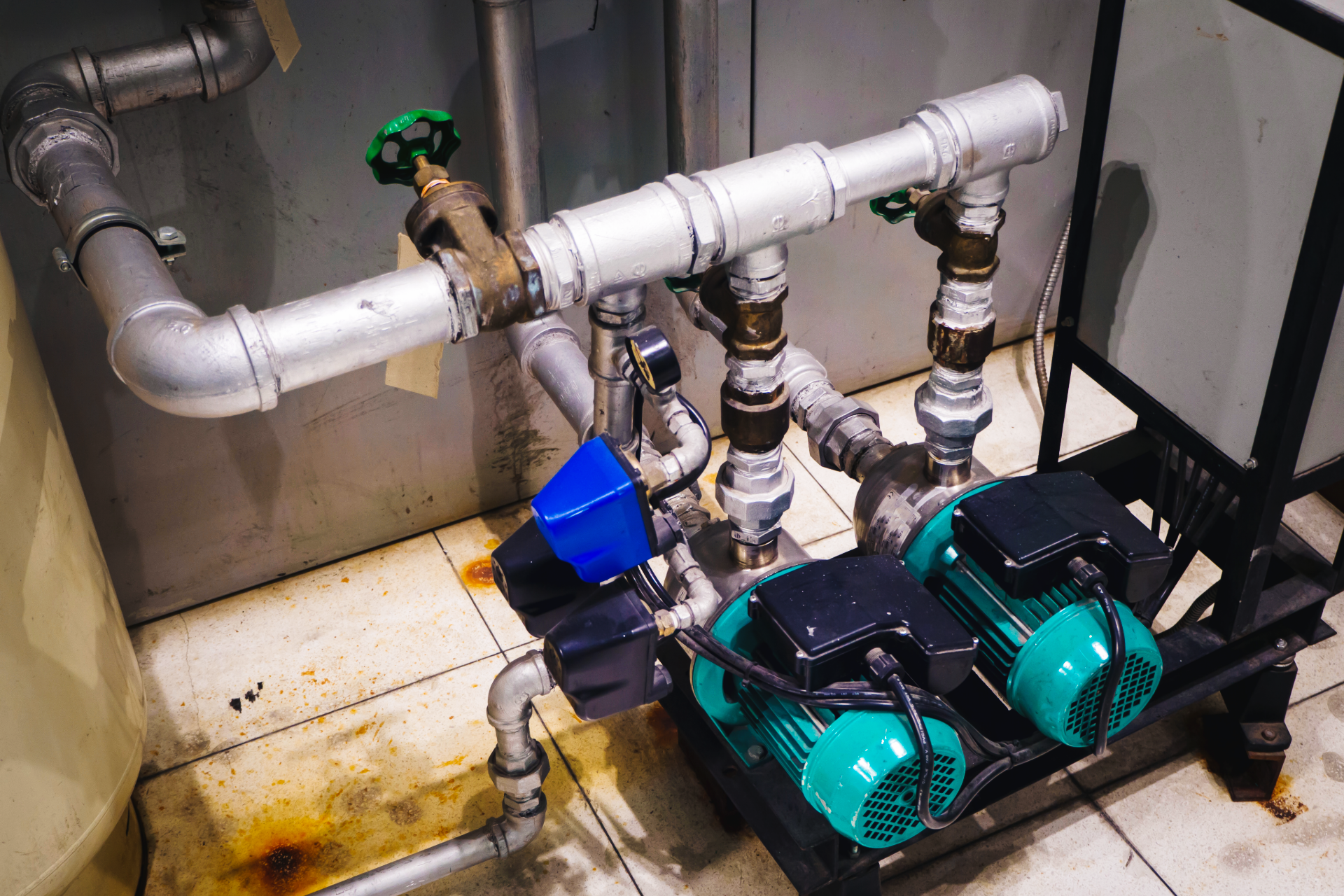
There's no single best water pump. It depends on the building. SC Pumps covers the key types, brands and sizing factors for Sydney strata and commercial sites.
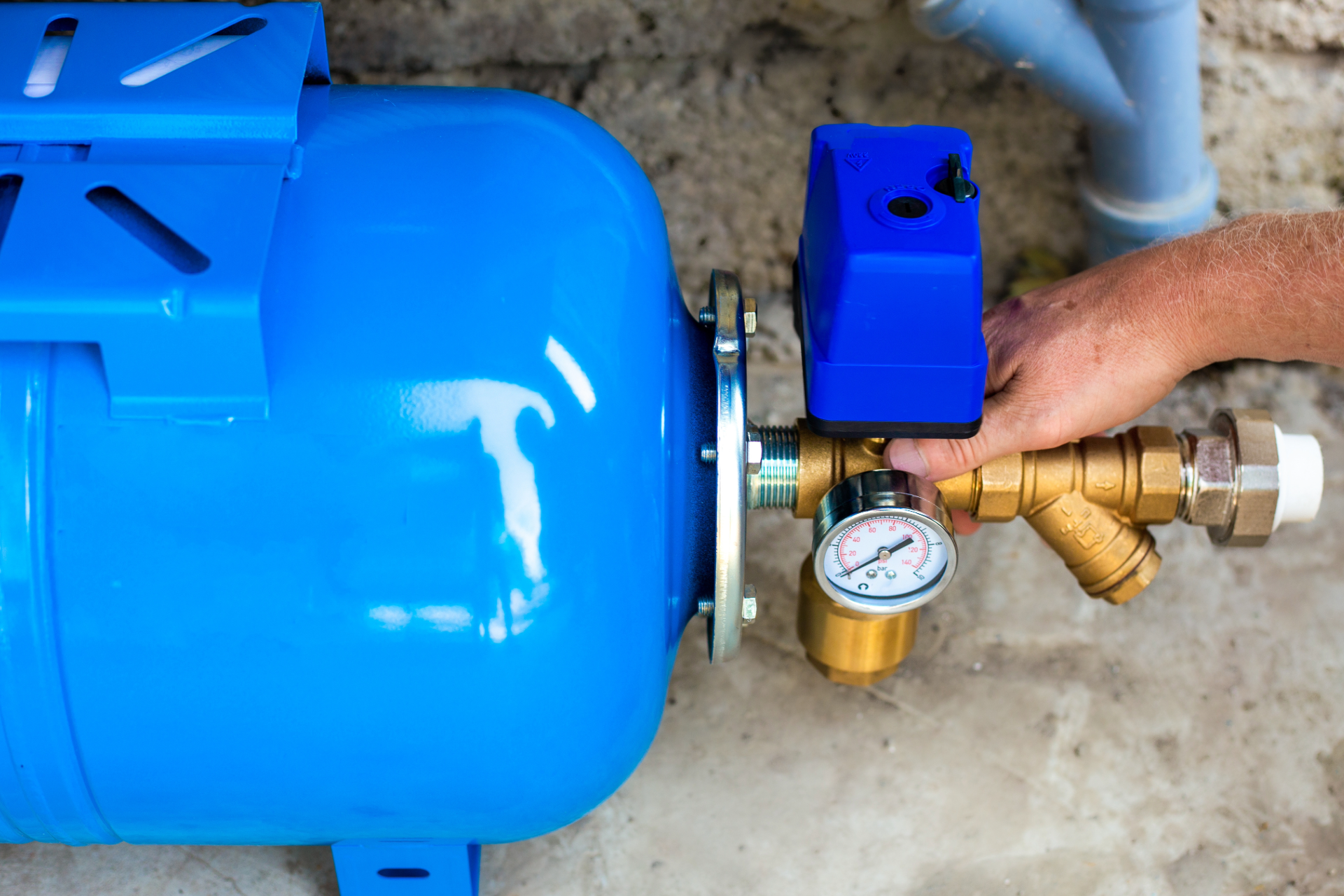
Booster, submersible, circulation, stormwater — different pumps do very different jobs. SC Pumps breaks down the functions & how to match the right type to the job.
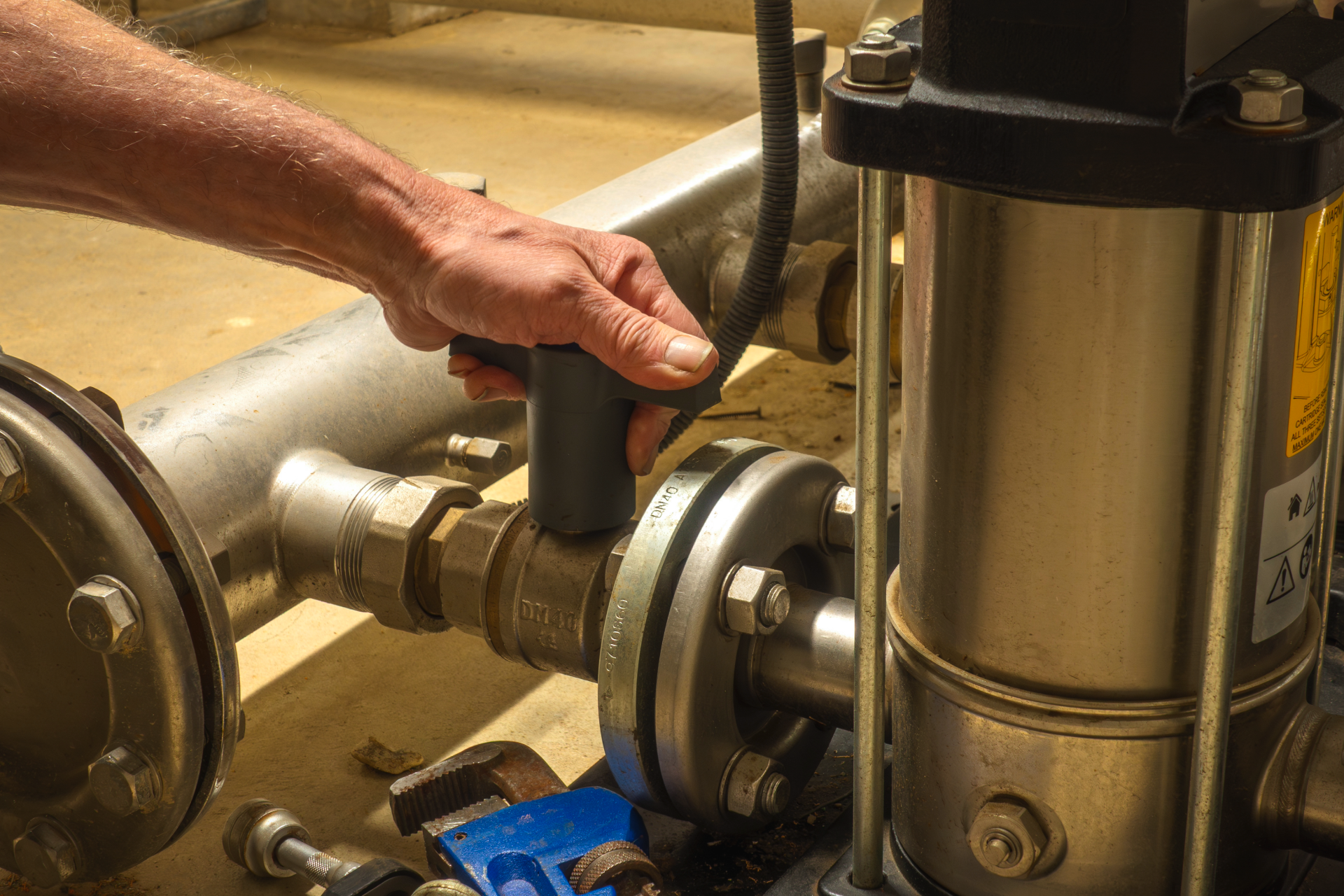
Ground floor gets great pressure. Level fourteen doesn't. SC Pumps explains how to size, back up and maintain water supply pumps that hold up on every floor.