
Strata Responsibility for Water Damage: What Owners Should Know
Sydney Central Pumps • December 4, 2025
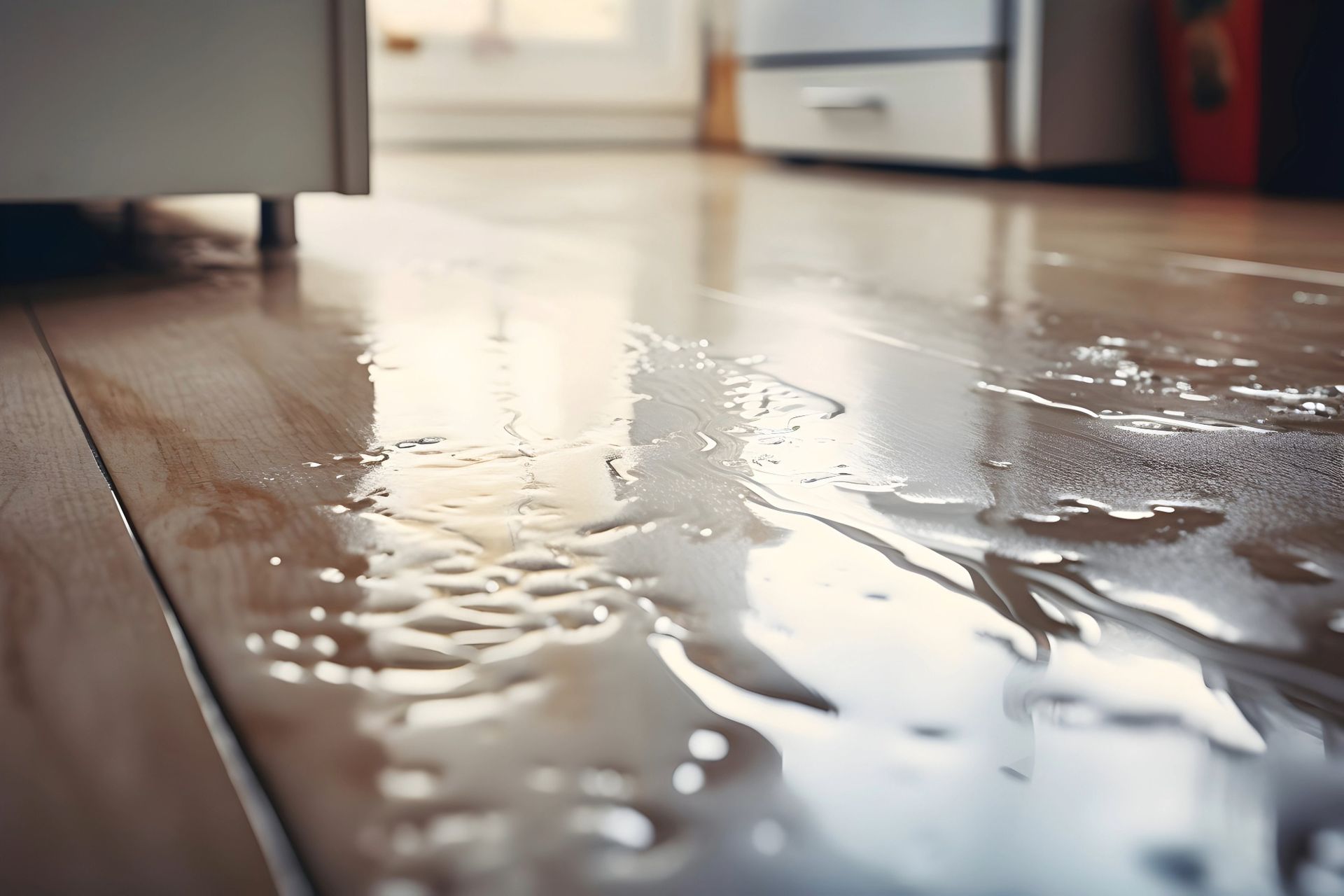
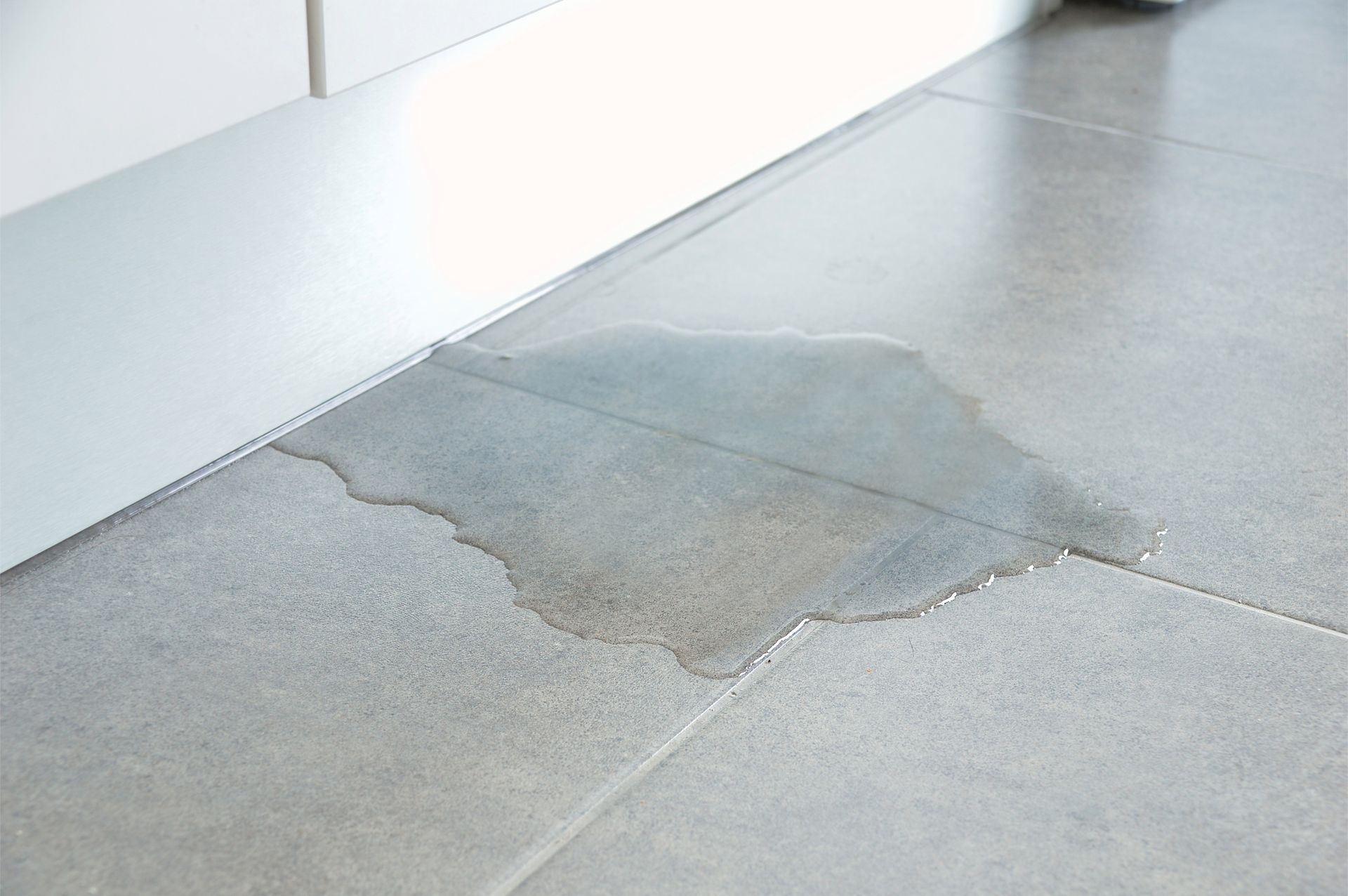
Water damage is one of the most common and costly issues faced by strata properties in Australia. Whether it comes from a burst pipe, a leaking roof, a failed stormwater pump or rising damp, the consequences in common property can be expensive, stressful and disruptive for both owners and residents.
While many owners corporations and strata committees deal with plumbing and building maintenance regularly, water damage often raises a difficult question: who is actually responsible for fixing the problem and covering the repair costs?
In this guide, we take a detailed look at strata responsibility for water damage, the legal obligations that apply in NSW, how responsibility is determined and why preventative maintenance, especially pump maintenance, plays such an important role in reducing both risk and cost for strata properties.
Why Water Damage Is Such a Major Issue in Strata Buildings
Strata properties are uniquely vulnerable to water-related issues because they rely on shared infrastructure. A problem that begins in a plant room, basement or common property area can spread quickly across multiple lots. Likewise, water originating from one unit can travel into walls, ceilings and neighbouring apartments.
Some of the most common sources of water damage in strata properties include:
- Leaking internal pipes
- Failed waterproofing in bathrooms and balconies
- Burst flexi-hoses
- Blocked stormwater drains and gutters
- Roof leaks
- Air-conditioner drainage issues
- Faulty appliances
- Sump pumps or stormwater pumps that have failed due to lack of maintenance
- Rising groundwater in basements
- Sewage overflow caused by pump failure or blockages
Many of these issues can be prevented, or at least identified early, through regular servicing of pumps, drains and building plumbing systems. When maintenance is delayed or overlooked, problems often escalate before anyone notices, leading to major repair costs and disputes about responsibility.
Is Strata Responsible for Water Damage?
This is one of the most common questions raised by owners, tenants and property managers, and it often comes up in buildings managed by a strata committee or body corporate. The answer depends on the cause of the damage and where the issue originated, as well as whether strata insurance applies to the resulting damage.
In general:
- Lot owners are responsible for repairs within the boundaries of their lot.
- Strata is responsible for maintaining and repairing common property under the Strata Schemes Management Act 2015 (NSW), Section 106. Industry bodies such as the Strata Community Association also provide guidance that helps committees understand their maintenance obligations.
Here is how this usually breaks down.
Strata responsibility
The owners corporation is typically responsible when water damage results from issues the owners corporation must repair as part of common property, such as:
- Common property pipes, whether inside or outside walls
- Roof leaks or guttering problems
- Failure of common area waterproofing (e.g. external balcony slabs)
- Stormwater or sewer pump failure in basements or plant areas
- Blocked common drains
- Defects in building construction that have not been repaired
- Cracks in external walls, foundations or slabs
- Failure to maintain pumps, pits, drainage systems, fire services or roofs
If the water damage is traced back to these areas, the owners corporation generally organises and pays for repairs, including damage to internal areas affected by the leak, which is often covered under strata insurance.
Owner responsibility
Individual lot owners may be responsible when:
- The leak originates from inside their lot, such as a leaking dishwasher, washing machine, fridge or a lot owner burst pipe.
- Burst or damaged flexi-hoses inside their apartment.
- Leaking shower screens or internal fixtures.
- Poor plumbing renovations carried out inside the lot.
- Damage caused by negligence or unauthorised alterations to common property.
Strata insurance usually covers resulting internal damage but not the cause of the leak itself. This is why lot owners often rely on strata insurance to help manage the cost of repairs after internal water damage.
Shared situations
Responsibility can sometimes be shared. This occurs when the source is unclear, affects both private and common property or requires specialist investigation. In these cases, both parties may contribute to the cost of inspections or repairs.
How Responsibility Is Determined
For strata committees and owners, it can be confusing to work out who is responsible when a water leak or damage occurs, especially because buildings vary widely in how their boundaries are defined. However, most buildings follow a similar process when allocating responsibility:
1. Identify the source of the leak
A licensed plumber or building inspector is usually engaged to trace the origin. Without identifying the source, it is impossible to determine who is liable.
2. Check the registered strata plan
The strata plan outlines which areas are part of common property and which belong to individual lots. This document is crucial for allocating responsibility.
3. Review maintenance requirements
If the owners corporation failed to maintain common property as required under strata law, responsibility will generally fall on the strata.
4. Consider insurance
Strata building insurance often covers sudden water damage originating from common property systems, as this type of insurance generally covers common property rather than internal fixtures. Owner contents insurance may cover belongings or internal fixtures.
5. Assess whether negligence contributed
If an owner or the owners corporation ignored maintenance warnings or requests for repairs, negligence may influence responsibility. Documentation of damage and repairs, including quotes and invoices, is necessary for strata insurance claims.
In many cases, buildings later discover that the issue was preventable with regular maintenance. Pump rooms and drainage areas are especially prone to being overlooked until a major incident occurs. The strata is obligated to conduct regular, proactive maintenance and inspections of common property.
Common Property Pumps: A Major Source of Strata Water Damage
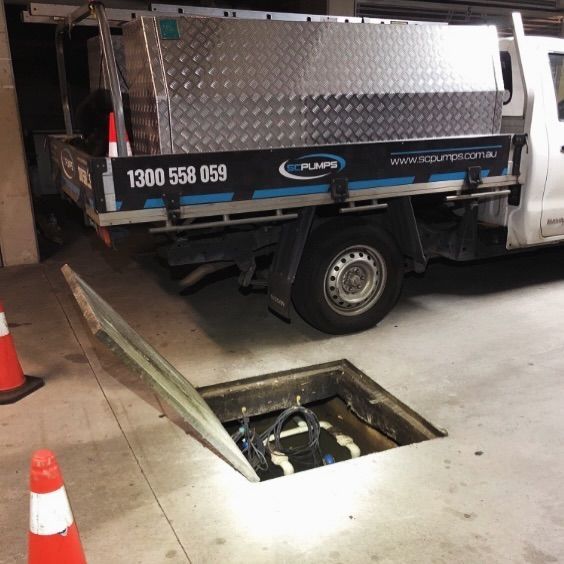
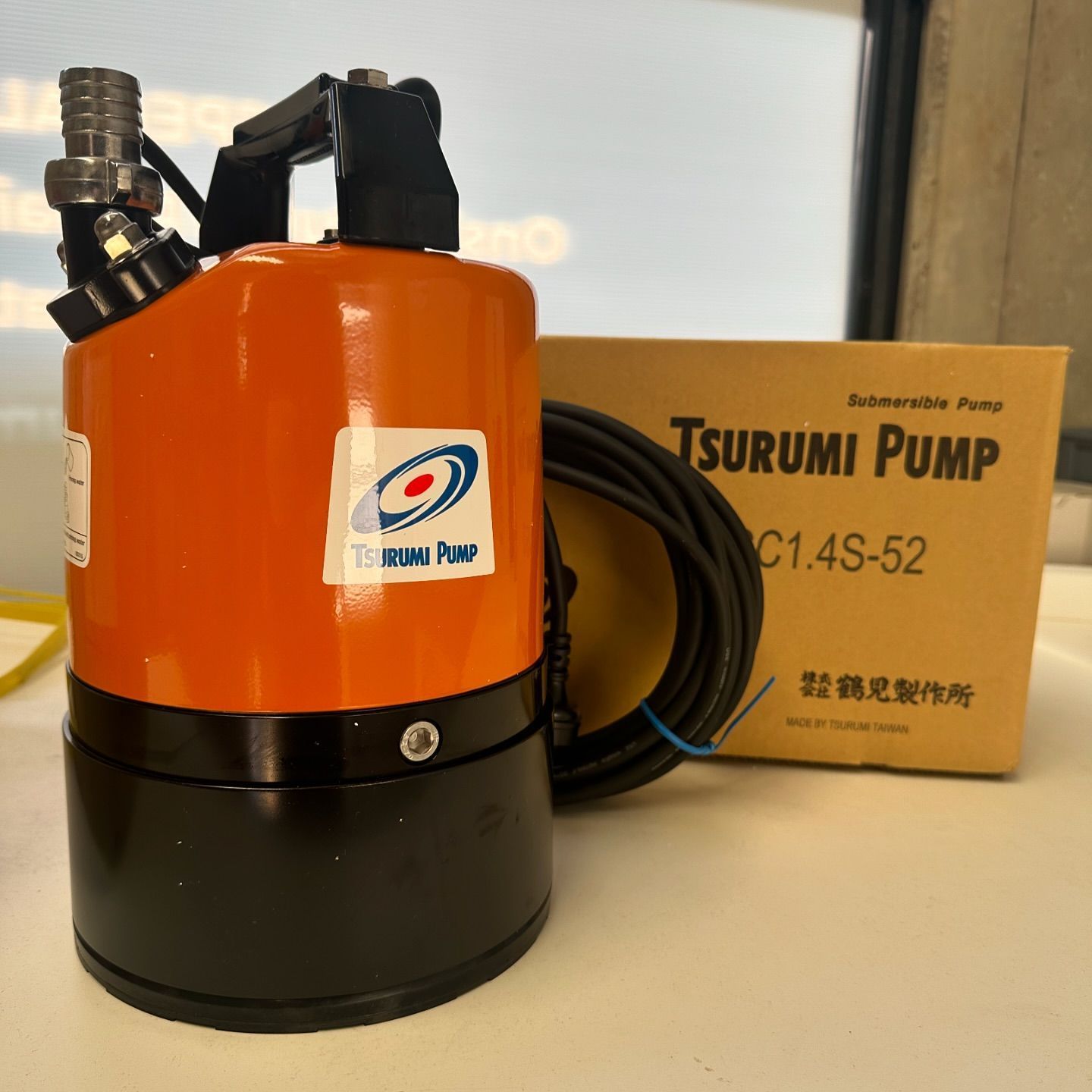
In multi-level buildings and underground car parks, much of the water and wastewater management sits within common property, which means the pumps used across strata properties carry a lot of responsibility. These systems often include:
- Stormwater pumps
- Sewer pumps
- Sump pumps
- Trade waste pumps
- Circulation pumps
- Pressure pumps
- Basement dewatering pumps
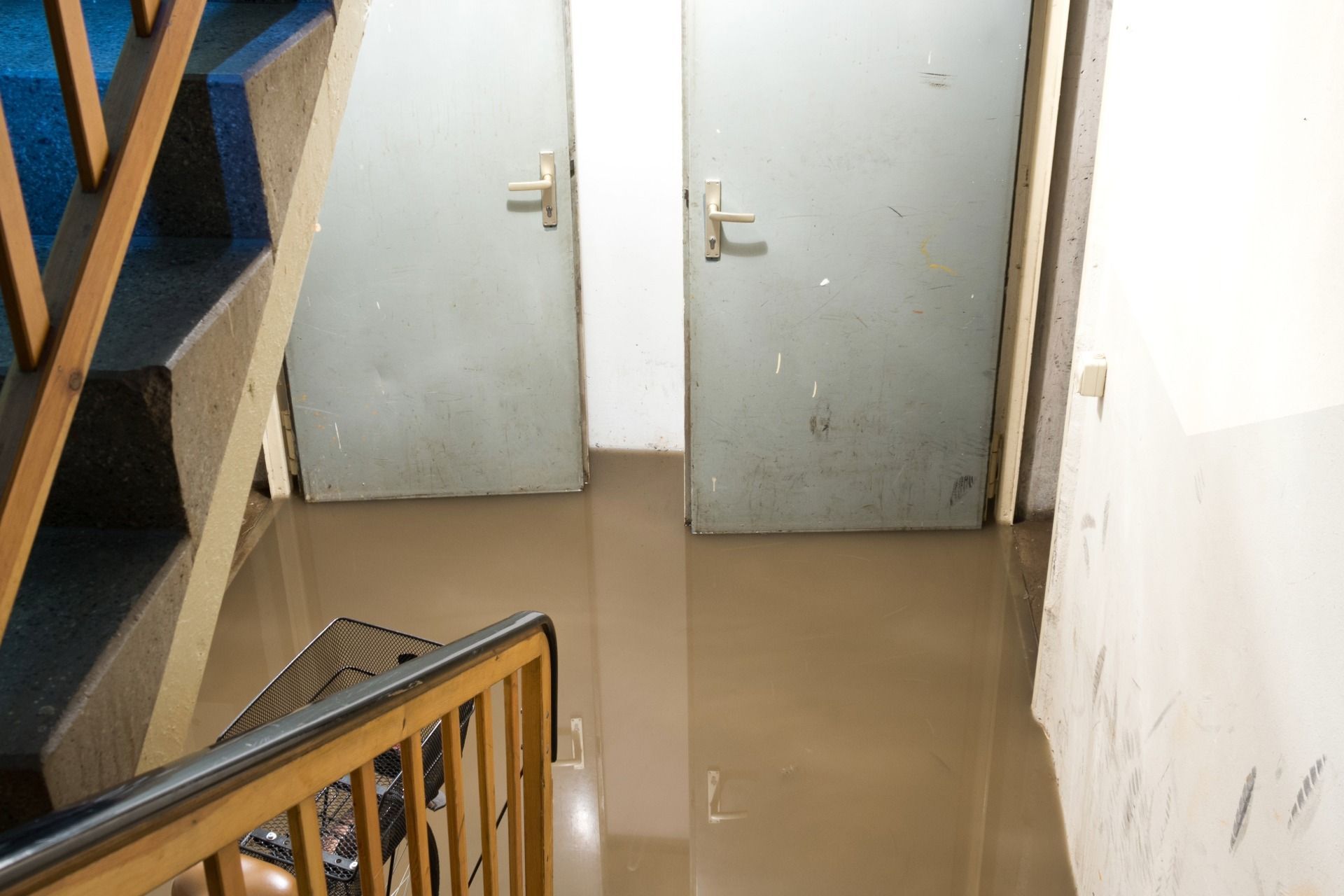
If any of these pumps fail, flooding can occur quickly. Basements, lift wells, storage areas, plant rooms and even ground-floor apartments can be impacted when a common property pump malfunctions, leading to widespread and costly water damage across the strata.
Why pump failure is a major strata liability
Pump systems move water away from areas where it can cause structural or electrical damage. When a pump is not maintained, several problems can occur:
- Flooding of basements and car parks
- Damage to electrical systems
- Lift outages and expensive repairs
- Water ingress into common walls and foundations
- Contamination from sewage overflow
- Structural deterioration of slabs and footings
- Damage to parked vehicles
- Health hazards from mould or wastewater
Because pumps are almost always considered common property, strata is nearly always responsible for the damage that results from lack of maintenance. This is especially true when flooding spreads into areas that the owners corporation must maintain as common property, which increases the scope and cost of repairs. This is one reason why pump servicing should never be treated as optional.
Why Regular Pump Maintenance Reduces Strata Water Damage Risks
One of the most effective ways to reduce water damage in strata buildings is to maintain pumps properly. Pumps are mechanical systems that run in harsh environments and are often required to operate at a moment’s notice during storms or heavy runoff.
A well maintained pump helps strata buildings avoid:
1. Basement flooding
Serviced stormwater pumps clear water quickly during storms, preventing pools of water from rising to levels where they reach cars, storage cages and electrical systems.
2. Sewage overflow
Serviced sewer pumps are less likely to block, burn out or fail under load, reducing contamination events.
3. Lift and electrical damage
Basement water can enter electrical conduits and lift pits. Pump reliability is critical for preventing these costly failures.
4. Insurance complications
Some insurers reject or limit claims where equipment has been neglected. A documented maintenance program protects the owners corporation.
5. Safety hazards
Slippery floors, mould growth and wastewater exposure pose health risks. Reliable pumps help minimise these hazards. Residents are obligated to maintain their own lots and report issues promptly to the strata manager.
6. Avoidable repair costs
Replacing pumps is far more expensive than maintaining them. Preventative servicing is a small cost compared with repairing flooded common areas or units.
7. Disputes between owners and strata
Regular pump servicing makes it easier to prove that the owners corporation met its legal maintenance obligations, reducing conflict if water damage does occur.
Pumps often operate in hidden, harsh environments, especially in strata properties. Failures usually occur during storms when the system is under maximum stress, which is why preventative maintenance is so valuable.
What Proper Pump Maintenance Looks Like
A reliable strata pump maintenance schedule usually includes:
- Quarterly or bi-annual inspections
- Testing of float switches and control panels
- Electrical safety checks
- Cleaning of pits and removal of sediment
- Checking non-return valves and impellers
- Motor and bearing assessments
- Pump run testing under normal load
- Immediate repair of worn seals or damaged components
- A written report after each service
The goal is to identify issues before they turn into emergencies.
A neglected sump pump or stormwater pump is one of the fastest ways for a building to experience major damage, especially during heavy rain.
How Strata Properties Can Reduce Water Damage Risk
Beyond pump servicing, there are several practical steps that strata committees and strata managers can take to reduce liability and protect the building. Emergency repairs can be authorised by the owners corporation without a committee meeting under certain circumstances, which helps speed up the repair process after strata property water damage occurs.
1. Maintain roofs, gutters and downpipes
Regular cleaning prevents overflow during storms. Poor drainage can lead to leaks that spread quickly through internal walls and even along boundary walls.
2. Inspect common property pipes and risers
These are frequent sources of leaks in older buildings, especially where corrosion or age has weakened the pipework. Issues often start small but can quickly escalate into burst pipes, leading to widespread water damage if left unchecked.
3. Service common area hot water systems
Old or corroded systems can burst without warning and cause damage to shared areas.
4. Maintain waterproofing
Balconies, roofs and planter boxes are common failure points, and water ingress can move into apartments through both boundary and internal wall structures.
5. Educate residents
Encourage regular checks of flexi-hoses and appliances, which remain one of the most common causes of unit-level flooding.
6. Keep drainage pits clean
Sediment build-up can cause water to back up into basements and car parks.
7. Implement a pump servicing schedule
This is one of the simplest and most effective preventative measures to reduce the likelihood of major flooding events.
Buildings that take a proactive approach to maintenance nearly always experience fewer disputes and lower long-term costs, particularly when strata committees work closely with strata managers to stay ahead of potential issues.
The Cost of Ignoring Water Damage in Strata Buildings
If water damage is left untreated or unresolved, it can affect common property as well as individual lots, and it can lead to:
- Structural deterioration
- Mould and air quality issues
- Electrical failures
- Lift outages
- Expensive rectification works
- Higher insurance premiums
- Special levies
- Reduced property values
- Loss of rental income
- Legal disputes among owners
Many of these issues occur because a small leak, blockage or pump failure was ignored earlier on. When this happens, the owners corporation often faces far higher rectification costs than it would have incurred through early maintenance.
How Strata Managers and Committees Can Strengthen Building Maintenance
So, is strata responsible for water damage?
Often, yes, especially when the damage originates from common property or from systems that the owners corporation is legally required to maintain. In many cases, strata insurance may assist with covering the resulting damage, although it will not cover issues linked to neglect or poor maintenance. This is why both the strata committee and strata managers play a crucial role in responding promptly when issues arise.
Because pumps, drainage systems, waterproofing and common plumbing are all part of the building’s shared infrastructure, strata has a duty to keep them in good condition. When these systems fail, the owners corporation usually carries responsibility for repairs and associated damage, often relying on guidance from their strata managers to manage the process effectively.
Prevention is the simplest approach. A well maintained pump, a clear drainage system and a consistent inspection program can prevent most water damage incidents before they develop into costly emergencies, and the strata committee is well placed to oversee these preventative measures.
Need Pump Maintenance for Your Strata Building?
Sydney Central Pumps provides professional pump servicing, repairs and maintenance for strata properties across Sydney. If your building relies on stormwater pumps, sewer pumps, sump pumps or basement dewatering systems, our team can help you keep them in reliable condition.
A well serviced pump protects your building, reduces risk and saves your strata committee from unnecessary repair costs and disputes.
If you would like help building a maintenance schedule or assessing your pump systems, Sydney Central Pumps is always ready to assist. Book an obligation-free consultation today to get started.

Davey pump losing pressure, cycling constantly or humming without starting? SC Pumps breaks down the most common causes and when to call a technician in Sydney.
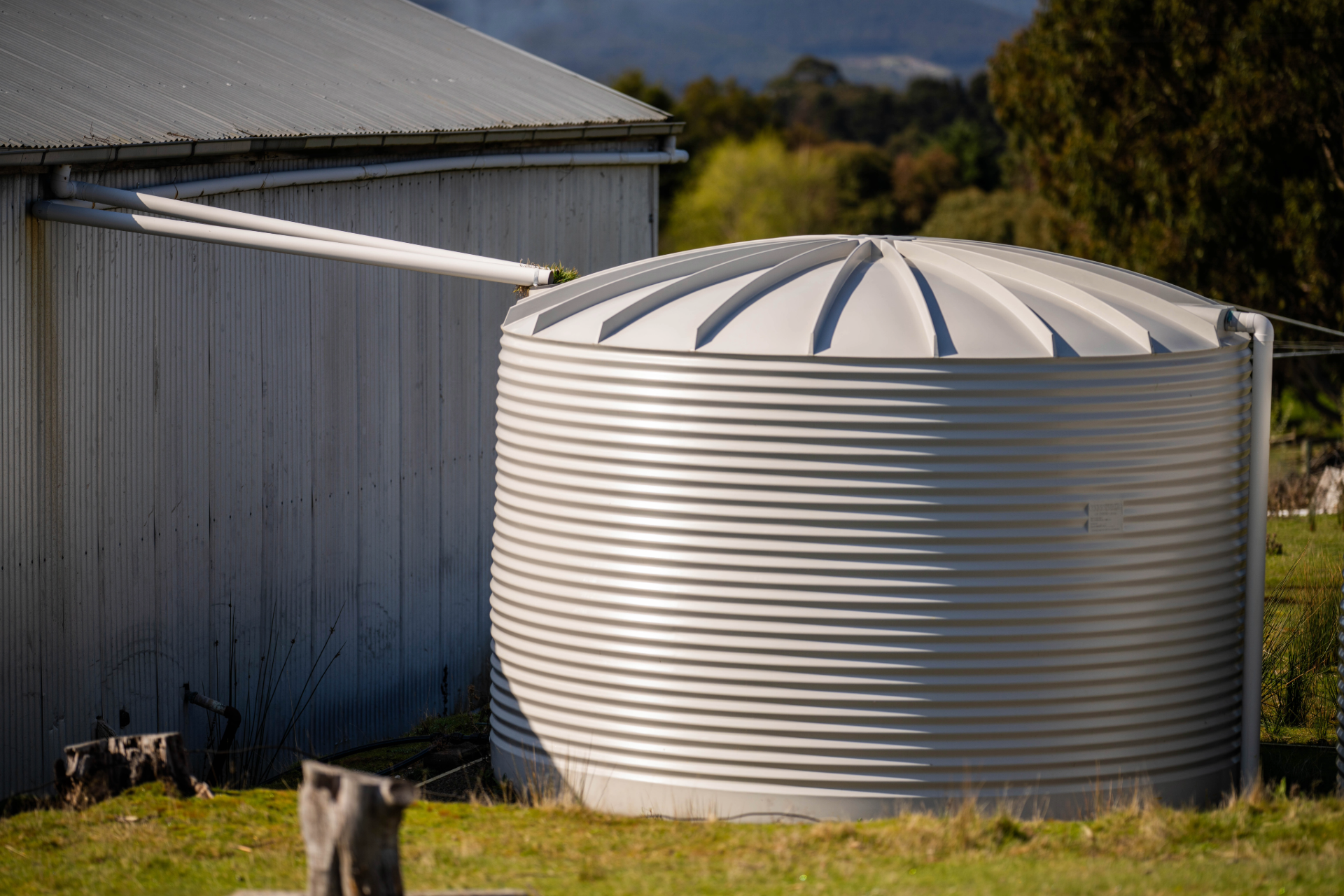
Choosing the wrong pump for your rainwater tank setup leads to short cycling, poor pressure and early failure. SC Pumps covers what to consider before you install.

From centrifugal to submersible and booster pumps, this guide covers how irrigation system pumps work, what goes wrong, and when to call a specialist in Sydney.