
Can You Pump Sewage Uphill to a Septic Tank?
Sydney Central Pumps • January 13, 2026
Dealing with sewage on sloped properties can be tricky. Some property owners face the challenge of moving wastewater uphill to reach their septic tank. This situation is more common than you might think, especially in areas with uneven terrain or where the septic system sits higher than the main building.
The good news is that pumping sewage uphill is possible with the right equipment and setup. Pump stations are specifically designed to handle this challenge. However, it requires careful planning and the correct type of pumping system. Let’s find out how this works and what you need to know.
Can Sewage Be Pumped Uphill?
Yes, sewage can definitely be pumped uphill. This is where specialised sewage pumps come in.
When gravity alone won't do the job, a sewage system with pumps moves wastewater from a lower point to a higher point. These pumps are designed to handle solid waste and liquids, making them perfect for residential and commercial properties.
How Sewage Pumps Work
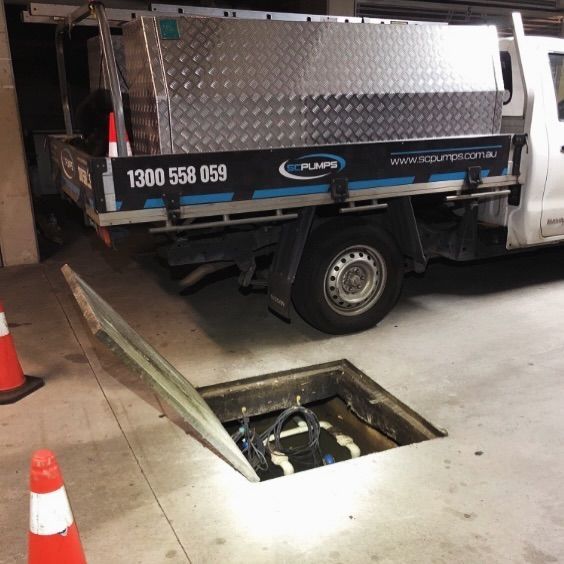
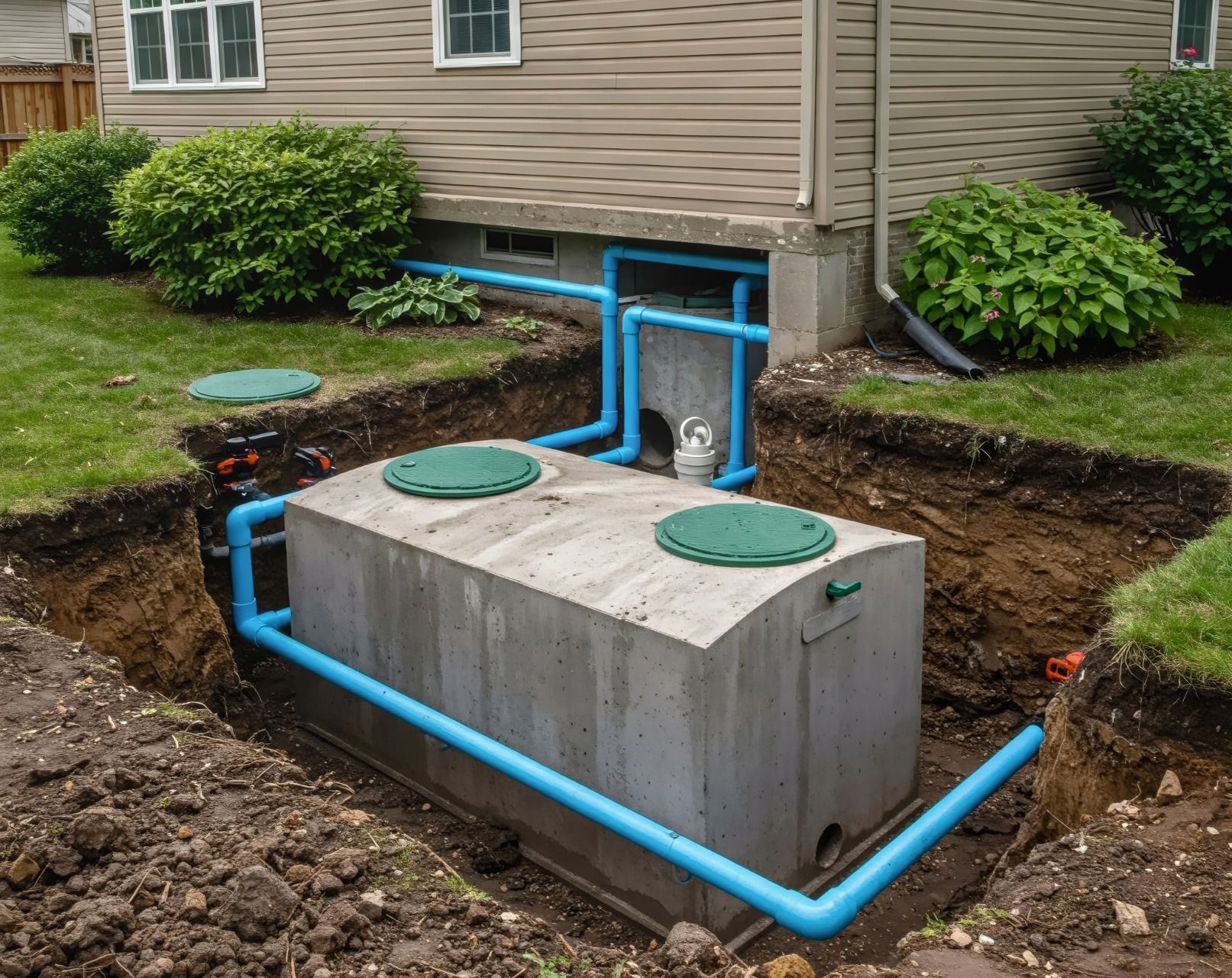
A sewage pump sits in a collection chamber, often called a sump or holding tank. These systems, commonly referred to as pump stations, activate automatically when water reaches a certain level. As wastewater flows into this chamber and begins to fill it, the pump activates when the water reaches a certain level. It then pushes the sewage through pipes up to your septic tank.
The pump needs enough power to overcome gravity and push the waste uphill. The steeper the slope and the longer the distance, the more powerful your pump needs to be.
Types of Sewage Pumping Systems
Different properties need different pumping solutions. The main types include:
Submersible Sewage Pumps
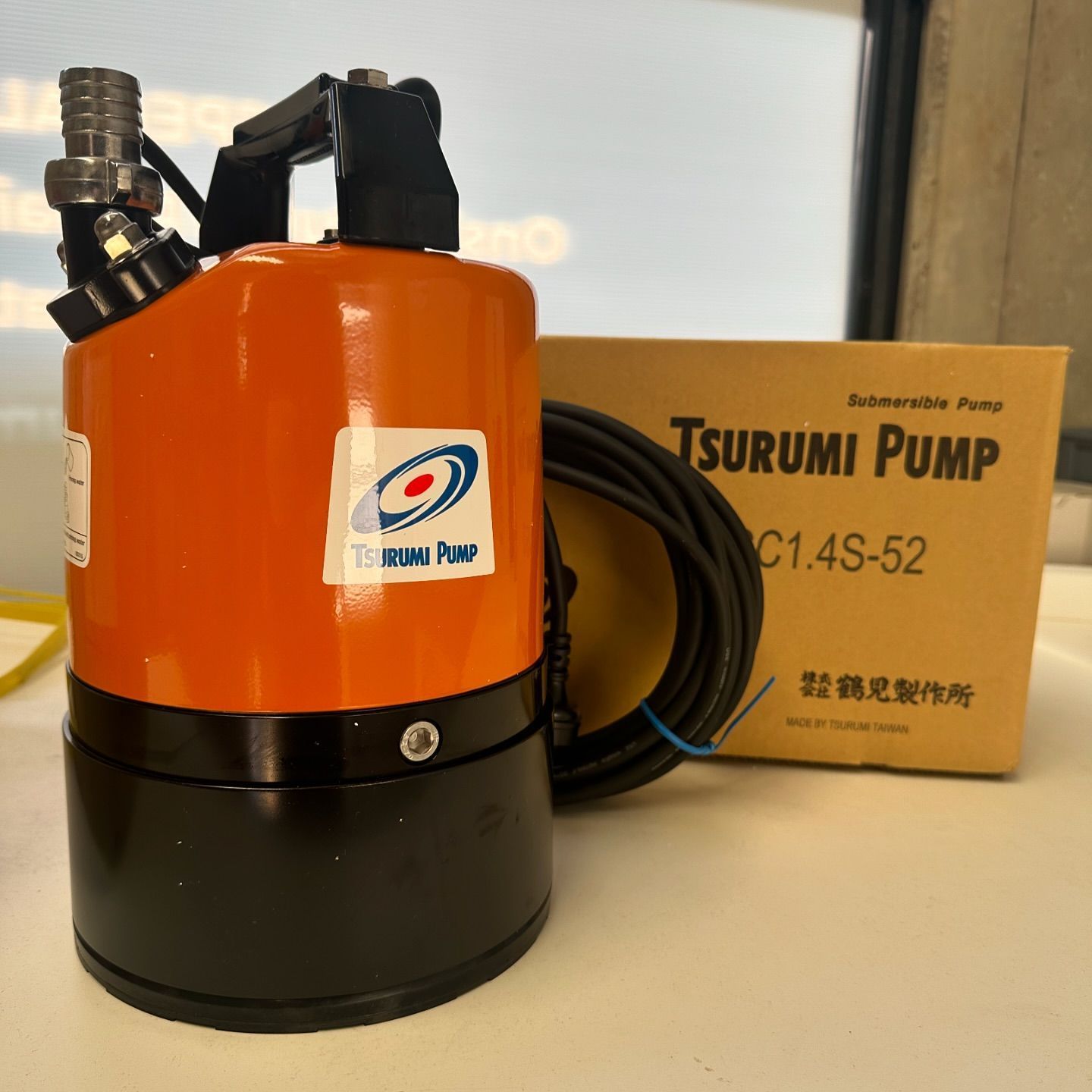
Submersible pumps for sewage sit underwater in the collection chamber. Submersible pumps are quiet, efficient, and handle solids well. These are typically installed in residential properties.
Ejector Pumps
Ejector pumps are another popular solution, particularly for basement installations. These collect wastewater in a sealed basin and use pressure to pump it up to the main sewer line or septic tank. They’re effective for situations where fixtures sit below the level of the main drainage system.
Grinder Pumps
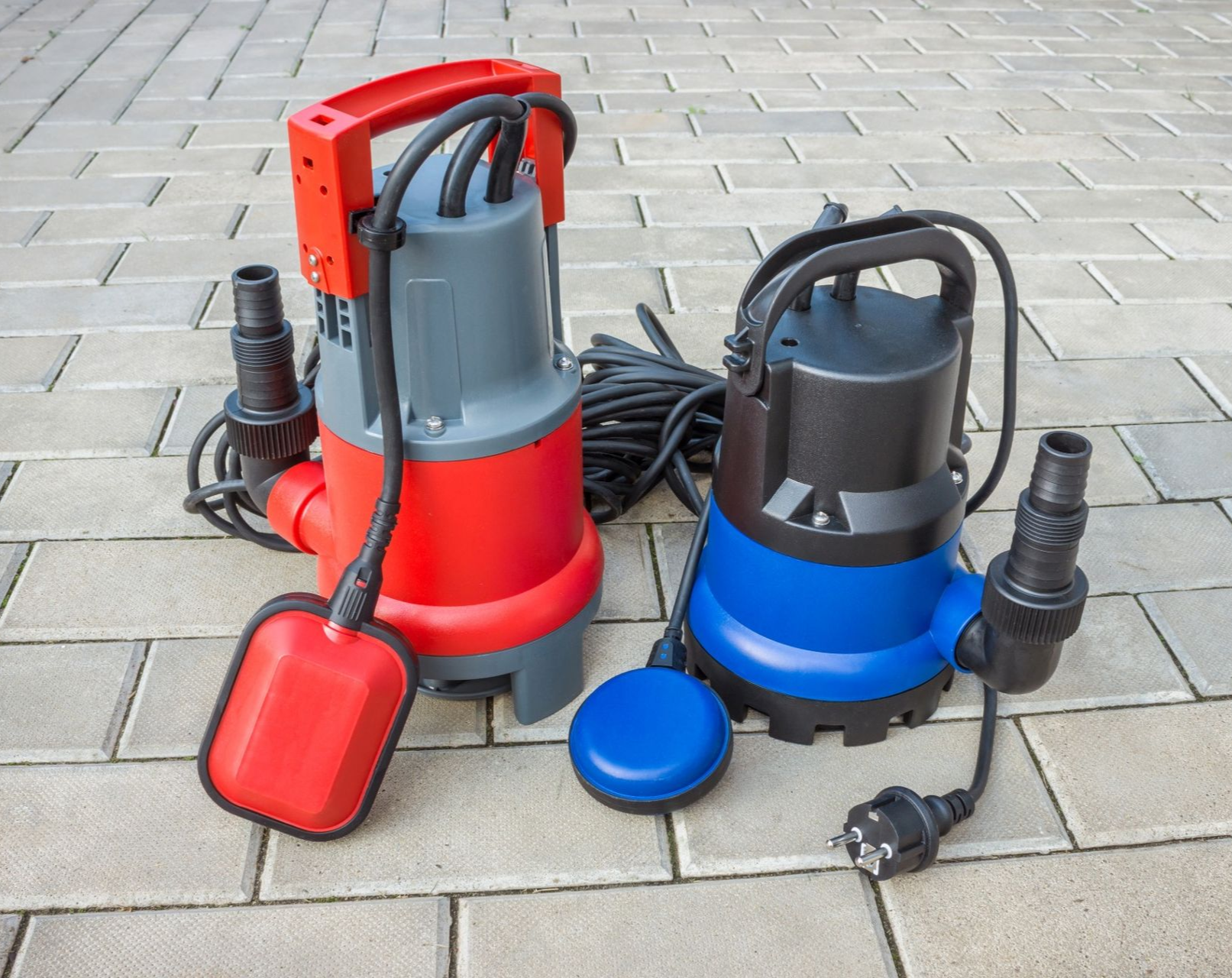
Grinder pumps break down solid waste into smaller pieces before pumping. This makes it easier to move sewage through smaller pipes and up steeper slopes. Grinder pumps are ideal for properties with longer pumping distances or significant elevation changes.
The right system for your property depends on several factors. These include the distance to your septic tank, the elevation change, and how much wastewater your property produces. Additionally, soil conditions and access for maintenance should be considered.
When You Need a Sewage Pump
You’ll need a sewage pump if:
- Your home or building is located lower than your septic tank. This is common on hillside properties or where the septic system was installed on higher ground.
- You have basement plumbing fixtures like bathrooms or laundries that sit below the main sewer line. In these situations, a grinder pump may be the ideal solution. Without a pump, wastewater from these areas can’t reach the septic system.
- Your property has flat terrain and the septic tank needs to be positioned higher for proper drainage field function.
Can You Run a Sewer Line Uphill?
Running a sewer line uphill using gravity alone is not possible. Sewage won’t flow upward naturally. However, you can run a sewer line uphill when you add a sewage pump to the system.
The key difference is that you’re no longer relying on gravity. Instead, the pump creates pressure that forces the sewage through the pipes, even when they slope upward.
Pressure vs Gravity Systems
Traditional sewer lines rely on gravity. The pipes slope downward from your property to the septic tank or sewer main. Water and waste flow naturally due to gravity.
Pressure systems work differently. An ejector pump generates enough force to push wastewater through pipes, regardless of slope. This means pipes can run uphill, horizontally, or follow the natural contours of your property.
Pressure systems also use smaller diameter pipes than gravity systems. While gravity systems typically need 100mm or larger pipes, pressure systems can work with 40-50mm pipes. This makes installation easier and less expensive in some situations.
Installation Considerations
Proper installation of an ejector pump or pump station for uphill sewer lines requires careful planning. You need to calculate the total vertical lift and horizontal distance. This determines what size pump you need and what pipe diameter works best.
Submersible pumps must sit in a watertight chamber with proper venting. This chamber needs to be sized correctly to handle your property’s peak wastewater flow.
You also need a check valve in the discharge line. This prevents sewage from flowing back down into the collection chamber after the pump shuts off.
Maintenance Requirements
Sewage pump stations need regular maintenance to work properly. The pump motor, float switches, and alarm system should be checked periodically. Most manufacturers recommend professional servicing every 12 months.
Regular maintenance is essential to prevent breakdowns and extend the life of your system. It also helps avoid costly repairs down the track.
What is the Maximum Slope from House to Septic Tank?
For gravity-fed systems, the ideal slope is between 1% and 2%. This translates to about 10-20mm of drop per metre of pipe length.
This slope range keeps sewage moving at the right speed. Too flat, and solids settle in the pipes. Too steep, and liquids rush ahead while solids get left behind.
Why Slope Matters
The slope of your sewer line affects how well waste flows. Proper slope creates the right velocity to carry both liquids and solids along together.
When pipes are too flat (less than 1% slope), sewage moves slowly. Solid waste settles and builds up, eventually blocking the pipe. You’ll face frequent clogs and backups.
Pipes that are too steep (more than 3-4% slope) create different problems. Liquids race through the pipe, leaving solid waste behind. Over time, this causes blockages and can damage pipes.
Maximum and Minimum Slopes
Most plumbing codes specify a minimum slope of 1% for sewer lines. Going below this risks standing water and blocked pipes.
The maximum slope varies depending on pipe size and local regulations. Generally, you shouldn’t exceed 3-4% slope for residential sewer lines. Some jurisdictions set different limits, so always check local building codes.
For pumped systems, these slope requirements don’t apply the same way. The pump creates the pressure needed to move sewage, so pipes can run at various angles. However, you still want to avoid sharp bends and keep the pipe route as direct as possible.
When Slope Requirements Can’t Be Met
Sometimes your property’s layout makes proper slope impossible. This happens when:
The septic tank must be positioned uphill from your building. Rock formations, property boundaries, or soil conditions might force this placement.
You’re adding fixtures below the existing sewer line level. Basement renovations often create this scenario.
Your property has multiple level changes that make a consistent downward slope impractical.
In these cases, a sewage pump system solves the problem. It eliminates the need to achieve proper gravity slope.
Measuring and Checking Slope
Professional plumbers use laser levels and slope gauges to verify sewer line grade during installation. This precision matters because even small variations from the ideal slope can cause problems over time.
If you’re experiencing frequent backups or slow drains, the slope might be off. A camera inspection can reveal whether your pipes are too flat, too steep, or have sagging sections.
Professional Assessment is Key
Every property is different. The best solution for pumping sewage uphill depends on your specific situation. Factors to evaluate include:
Total vertical lift required (the height difference between the collection point and septic tank). Greater lift requires more powerful pumps.
Horizontal distance the sewage must travel. Longer runs increase the workload on your pump.
Daily wastewater volume your property produces. Larger households or commercial properties need bigger collection chambers and more robust pumps.
Site conditions, soil quality, and local regulations. These affect where you can place the collection chamber and septic tank.
A qualified professional can assess these factors and recommend the right pumping system for your needs. They’ll also handle permits and make sure installation meets all building codes.
Common Mistakes to Avoid
Choosing an undersized pump is a frequent problem. A pump that’s too small will run constantly, wear out quickly, and might not handle peak flow periods.
Installing the collection chamber at the wrong depth causes issues. It needs to sit low enough to catch all drainage from your property but high enough to avoid flooding during heavy rain.
Skipping the alarm system is risky. When pumps fail, you need immediate notification before sewage overflows or backs up into your building. A high-water alarm gives you warning.
Poor ventilation can create dangerous gas buildup in the collection chamber. Proper venting is not just good practice — it’s usually required by code.
Long-Term Reliability
Properly installed sewage pump stations can last 10-15 years or more with regular maintenance. Quality pumps from reputable manufacturers offer the best reliability.
The collection chamber should be built to last, typically using concrete or heavy-duty plastic. It needs to resist groundwater pressure and remain watertight.
Maintaining your system through regular servicing catches problems early. Worn float switches, corroded connections, or pump impeller damage can be fixed before they cause system failure.
Get Help From the Experts
Pumping sewage uphill to a septic tank is completely achievable with the right system. Whether you’re building new or solving problems with an existing property, sewage pumps offer reliable solutions.
At Sydney Central Pumps, we bring years of expertise in sewage pump systems for residential and commercial properties. Our team can assess your situation, recommend the best equipment, and handle installation from start to finish.
We work with all major pump brands and carry comprehensive spare parts. Our fully equipped service vehicles can respond quickly to repairs, and we offer ongoing maintenance programs that deliver good service to keep your system running smoothly.
Don’t let challenging terrain stop your property development or renovation plans. Contact Sydney Central Pumps today on 1300 558 059 to discuss your sewage pumping needs.
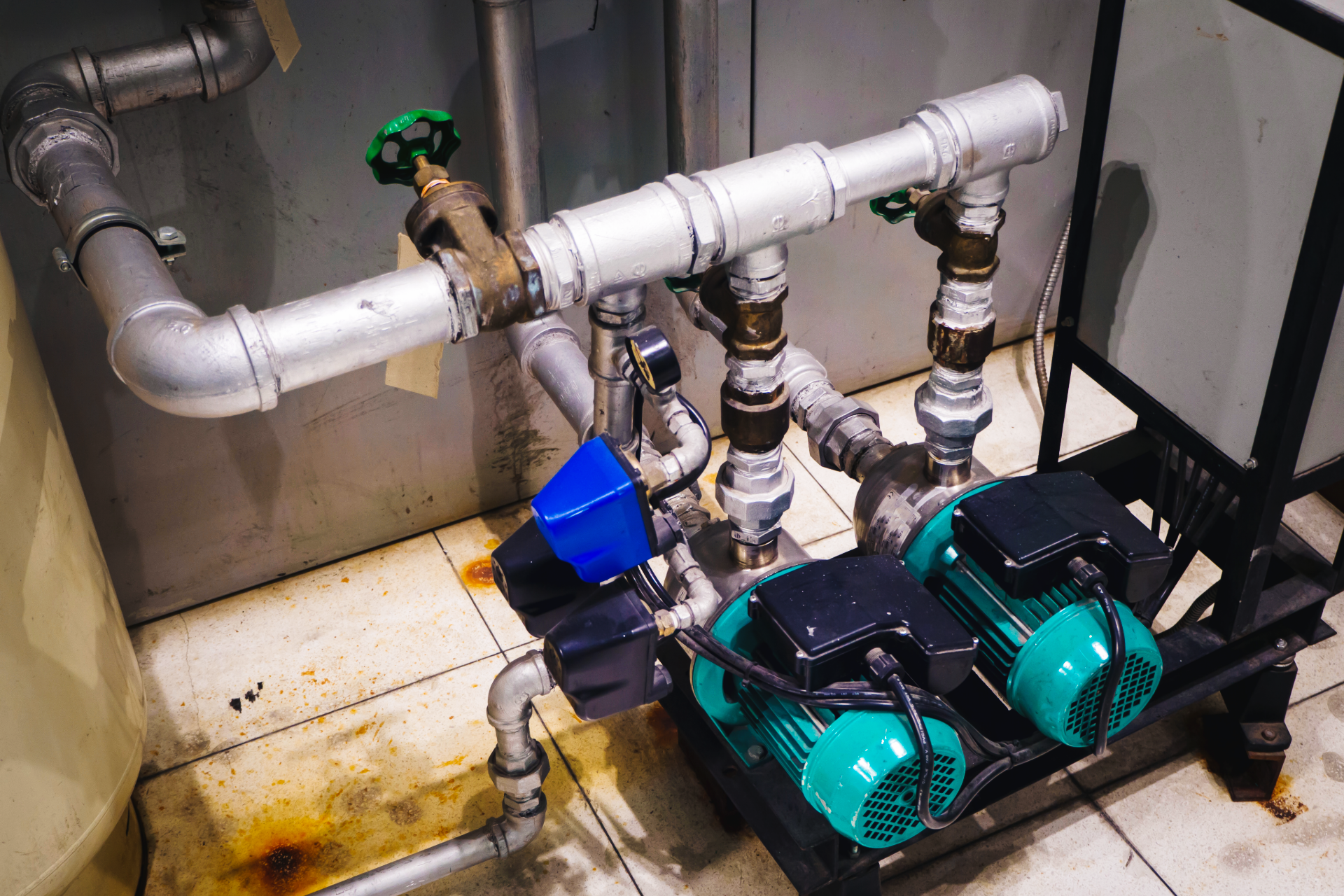
There's no single best water pump. It depends on the building. SC Pumps covers the key types, brands and sizing factors for Sydney strata and commercial sites.
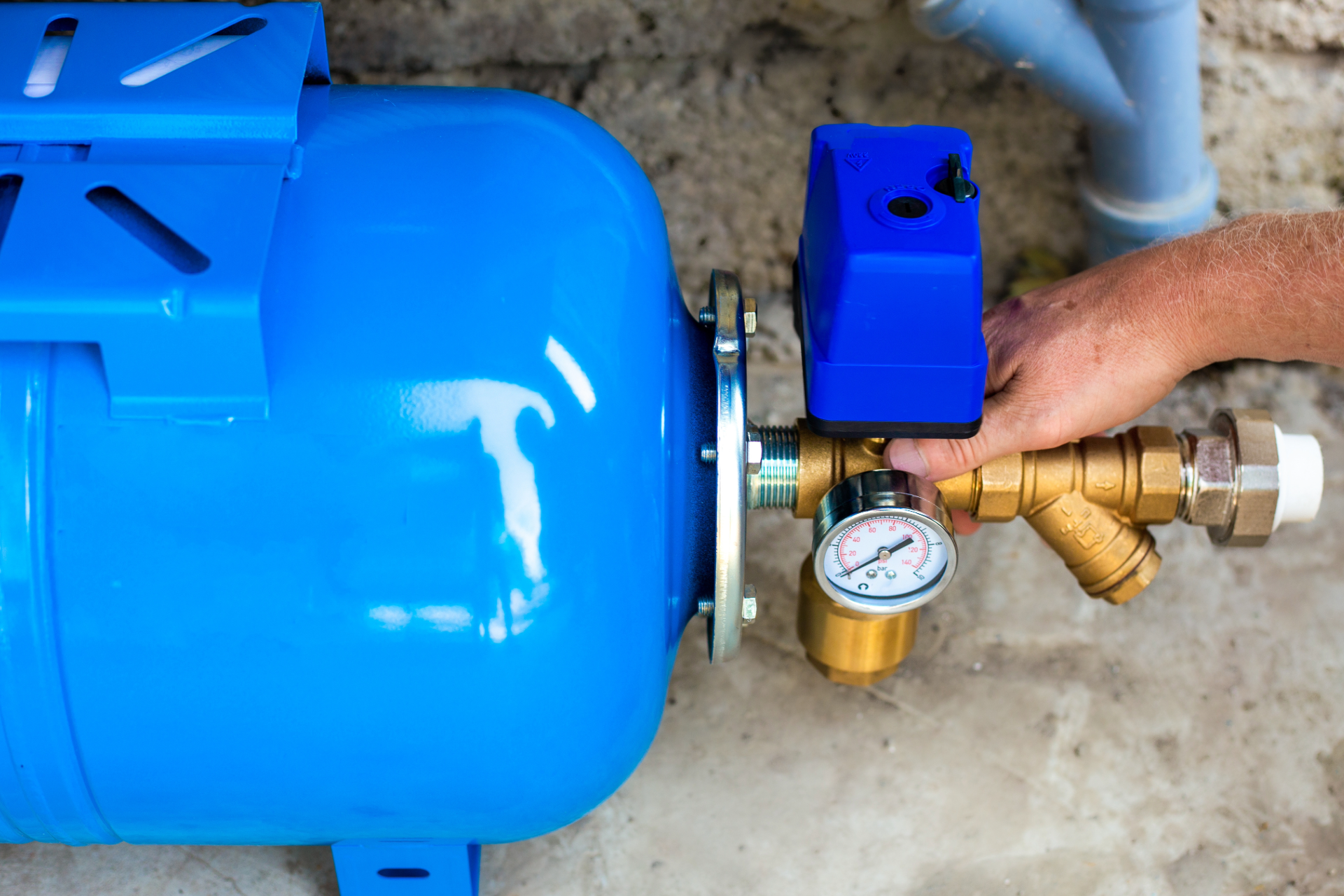
Booster, submersible, circulation, stormwater — different pumps do very different jobs. SC Pumps breaks down the functions & how to match the right type to the job.
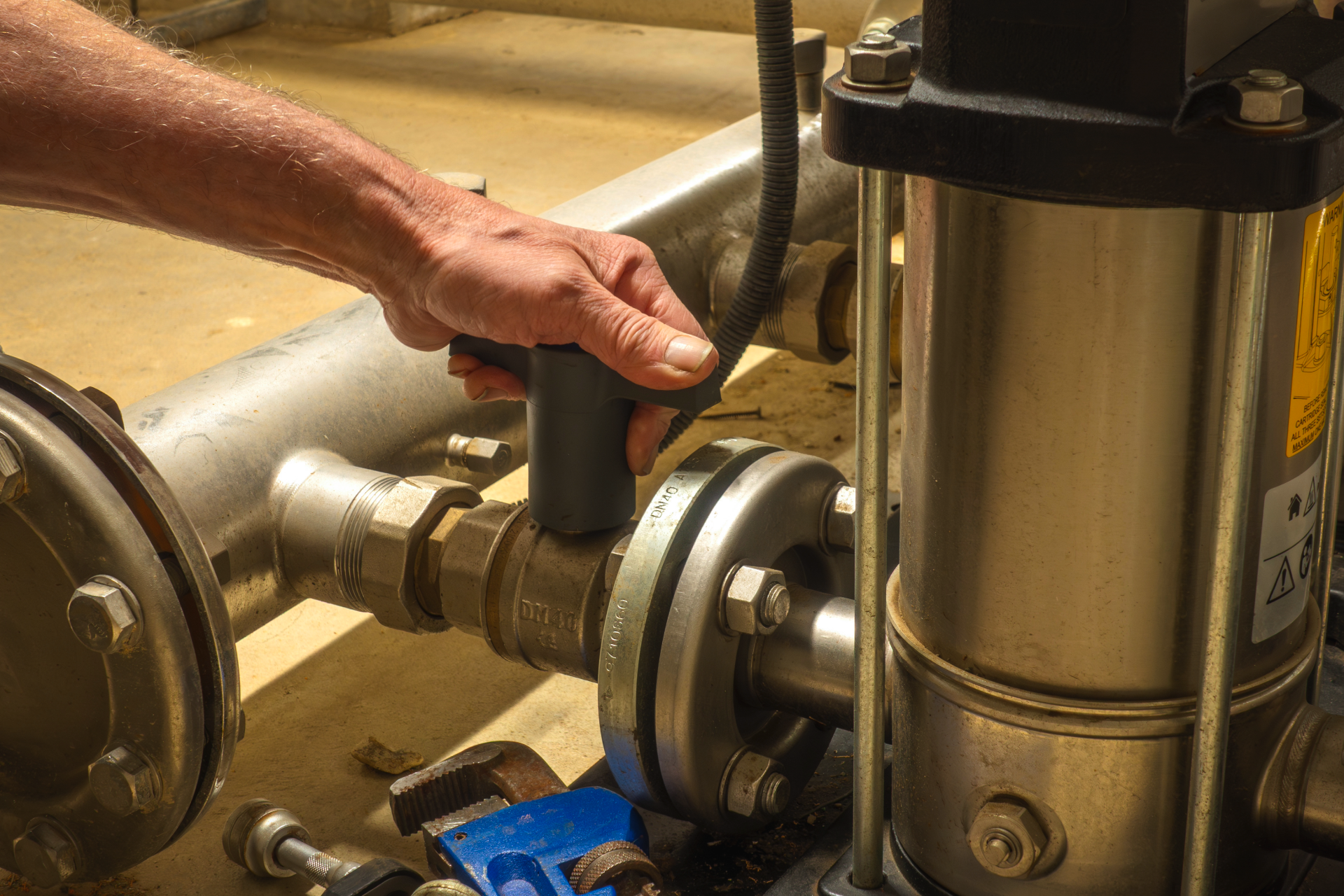
Ground floor gets great pressure. Level fourteen doesn't. SC Pumps explains how to size, back up and maintain water supply pumps that hold up on every floor.