
How Does a Drainage Pump Work? Understanding the Basics
Sydney Central Pumps • January 13, 2026
Water where it shouldn’t be creates serious problems for property owners. Basements flood when water can't reach the main sewer line, stormwater pools in carparks, and low-lying areas turn into swamps. Drainage pumps, including sump pumps, solve these issues by moving excess water away from your property.
Understanding how drainage pumps work helps you choose the right system and maintain it properly. In this blog post titled "How Does a Drainage Pump Work," we'll explore the basics of these essential water management tools so you can make informed decisions about your property's drainage needs.
How Do Drainage Pumps Work?
Drain pumps move water from one place to another using mechanical force. They overcome gravity and distance to redirect water away from areas where it causes damage.
The basic principle is simple. Water collects in a pit or sump basin, which is where a sump pump is installed. When the water level rises to a certain point, the pump activates. The sump pump's job is to draw water in through an inlet, push it through the pump body, and discharge it through an outlet pipe to a safe drainage point.
Key Components
Every drainage pump system has several essential parts working together:
Pump Motor
The pump motor provides the power. It turns electrical energy into mechanical energy that moves water. Motors are rated by horsepower, with stronger motors handling larger volumes and higher discharge heights.
Impeller
The impeller is a rotating disc with curved blades. As it spins, it creates a low-pressure area that draws water in. The spinning action then flings water outward with force, pushing it into the discharge pipe.
Float Switch
The float switch acts as the pump’s automatic control. It rises with the water level. When it reaches a set height, it triggers the pump to start. As the water level drops, the float falls and shuts the pump off.
Discharge Pipe
The discharge pipe carries water away from the pump. It needs to be sized correctly for the pump’s output and positioned to drain water to a safe location.
Check Valve
A check valve prevents backflow. After the pump stops, this one-way valve keeps pumped water from flowing back into the sump. This saves energy and prevents constant cycling.
These components work together in various pump configurations. Submersible pumps house all these parts in a sealed, waterproof casing, while pedestal pumps keep the motor assembly above water level.
Types of Drainage Pumps
Different applications need different pump types. The main categories are:
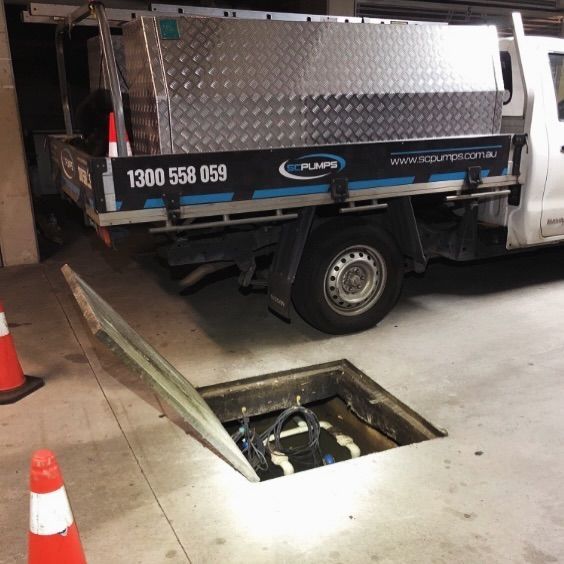
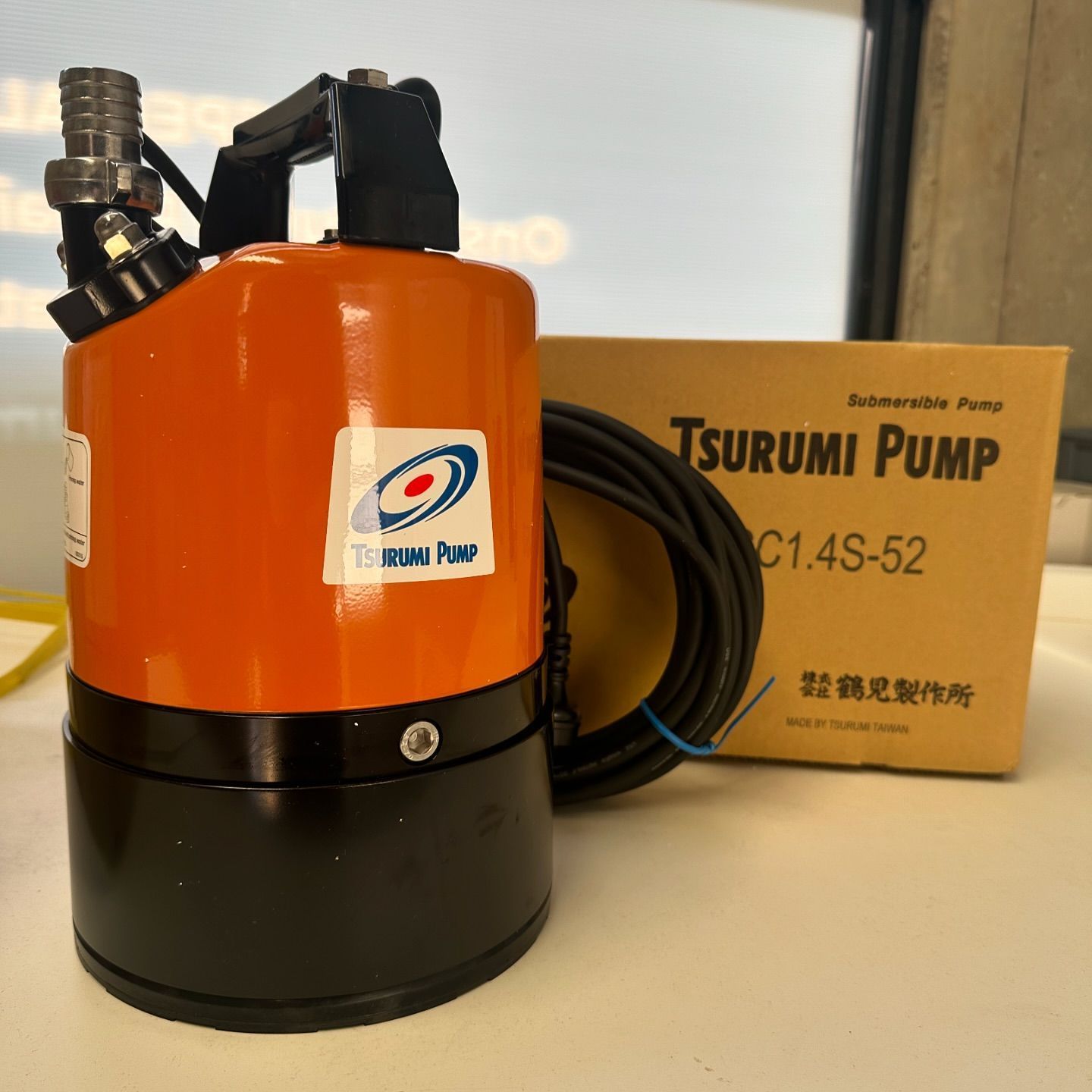
Most sump pumps are submersible drainage pumps that sit underwater in the sump pit. They're sealed units designed to operate while submerged. These pumps are quieter and more efficient than other types. They’re common in basement applications and stormwater systems.
Pedestal sump pumps mount above the water on a column or stand. Only the intake sits in the water. These are easier to service because the motor stays dry. However, they’re noisier and take up more space.
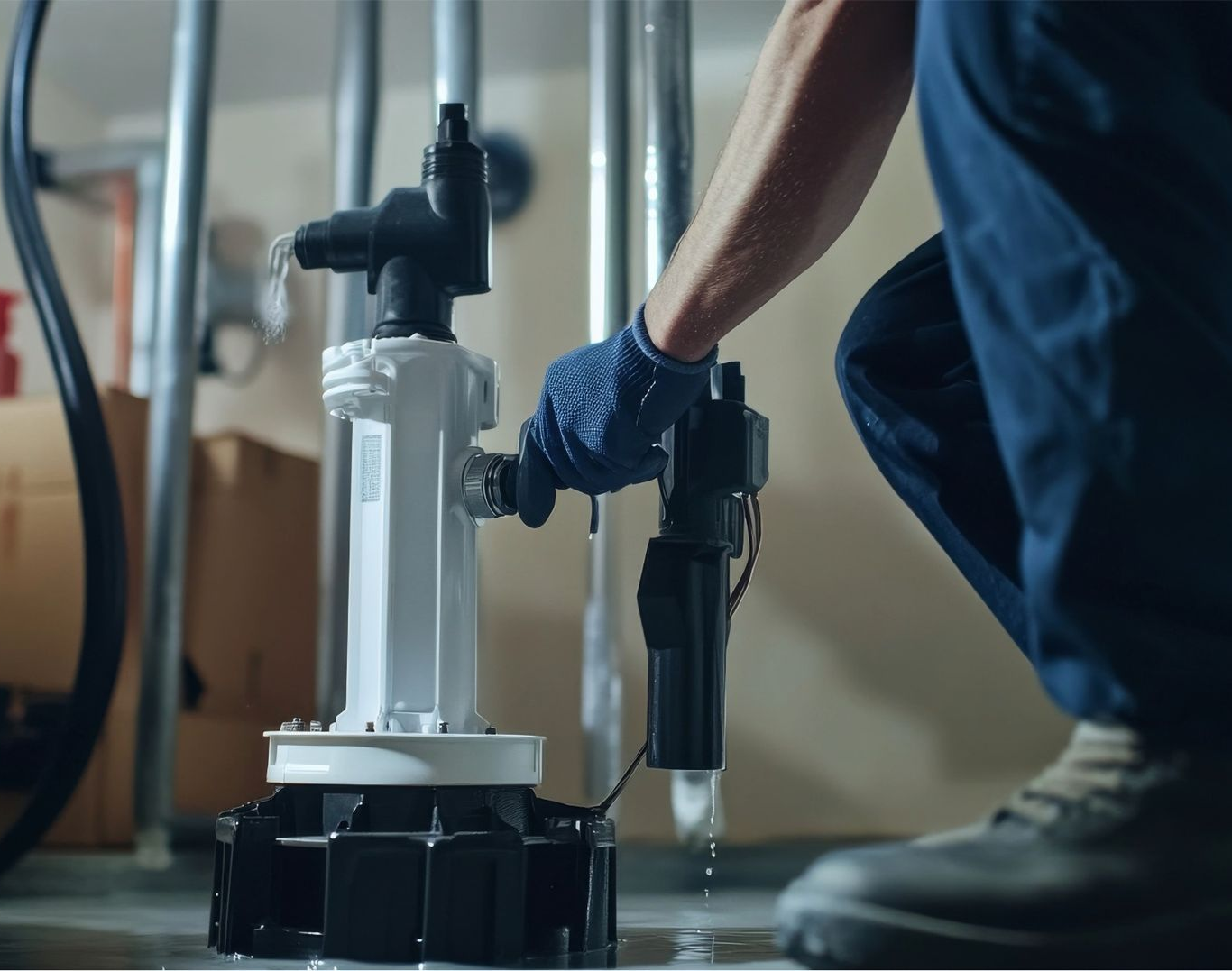
Sump pumps specifically handle groundwater that seeps into basements or crawl spaces, moving it to the main sewer line or drainage system. They prevent flooding and moisture damage in below-ground areas.
Stormwater drain pumps move rainwater from collection points like carpark sumps or low areas. These often handle larger volumes during heavy rain events.
The Pumping Cycle
Understanding the complete pumping cycle shows how these systems protect your property:
- Water Collection and Activation - Water enters the sump pit through drains or natural seepage, triggering the sump pump to activate. The pit fills gradually or quickly depending on rainfall or groundwater levels.
- Float Switch Monitoring - The float switch monitors the rising water level. Most systems use a "normally open" switch that closes when water reaches the activation point.
- Electrical Circuit Completion - When the switch closes, it completes an electrical circuit. Power flows to the motor and the pump starts running.
- Impeller Action - The spinning impeller creates suction at the inlet. Water rushes into the pump and gets thrown outward by centrifugal force.
- Water Discharge - Pressurised water exits through the discharge pipe. It flows to storm drains, dry wells, gravity drains, or other approved drainage points away from the building.
- Pump Deactivation - As the water level drops, the float switch returns to its starting position. This breaks the circuit and stops the pump.
- Cycle Reset - The check valve closes, preventing pumped water from flowing back. The system waits quietly until water levels rise again.
What Makes Drainage Pumps Different
Drainage pumps differ from other pump types in important ways. They’re built to handle dirty water containing debris, sand, and small solids.
The impeller design allows passage of solid particles. Submersible pumps and other drain pumps can handle solids up to 50mm in diameter. This prevents constant clogging from dirt and debris.
They're also designed for intermittent operation, efficiently removing excess water as needed. Unlike pumps that run constantly, sump pumps and other drainage pumps cycle on and off based on water levels. This requires durable motors and switches that handle frequent starting and stopping.
How to Tell if a Drain Pump is Clogged?
A clogged drain pump shows several warning signs. Catching these early prevents flooding and expensive damage.
Unusual Noises
Strange sounds often indicate blockages. A grinding or rattling noise suggests debris caught in the impeller. The pump struggles to spin freely, creating these harsh sounds.
A humming sound without water movement means the motor runs but the impeller can’t turn. Something is jamming the mechanism.
Healthy drain pumps run with a steady whirring sound. Any deviation from this normal noise deserves investigation.
Slow Drainage
If water levels drop slower than usual, the pump might be partially blocked. Reduced flow means the impeller can’t move its full capacity.
Watch how long the pump runs during each cycle. Longer run times with less water removed point to blockage or wear.
The sump might also empty incompletely, indicating your sump pump needs attention. A clogged pump leaves standing water that never fully drains.
Frequent Cycling
When pumps turn on and off rapidly, something is wrong. This “short cycling” happens when the pump runs but doesn’t move enough water to drop the float switch.
Partial blockages reduce pumping efficiency. The water level falls slightly, then rises again quickly, triggering another cycle.
This constant starting and stopping wears out motors and wastes electricity. It’s also a clear sign that maintenance is needed.
Rising Water Levels
The most obvious sign is water that won’t drain away. If your sump pit fills higher than normal, or water backs up into areas that should be dry, the pump isn’t working properly.
Check the sump pit regularly during wet weather. Rising water despite a running pump indicates serious blockage or pump failure.
Visible Debris
Sometimes you can see the problem. Leaves, plastic bags, gravel, or other debris might be visible in the sump pit or around the pump inlet.
The discharge pipe opening might show reduced water flow or unusual materials being expelled. These are signs that blockages exist somewhere in the system.
What Causes Clogs
Understanding common causes helps prevent future blockages:
Sediment and silt build up over time. Fine particles settle in the sump pit and can get drawn into the sump pump. Regular cleaning prevents this accumulation.
Leaves and organic matter commonly block outdoor drainage pumps. Autumn creates particular problems as falling leaves enter drainage systems.
Construction debris like concrete chunks, gravel, or plastic wrapping can jam impellers. Always clear work areas and protect drainage points during renovations.
String-like materials such as tree roots, fabric strips, or long grass wrap around impellers. These create tight blockages that stop pumps completely.
Can a Drainage Pump Run Continuously?
Drain pumps are not designed to run continuously. They’re built for intermittent operation, turning on when needed and shutting off once water is removed.
If your drain pump runs non-stop, you have a serious problem that needs immediate attention.
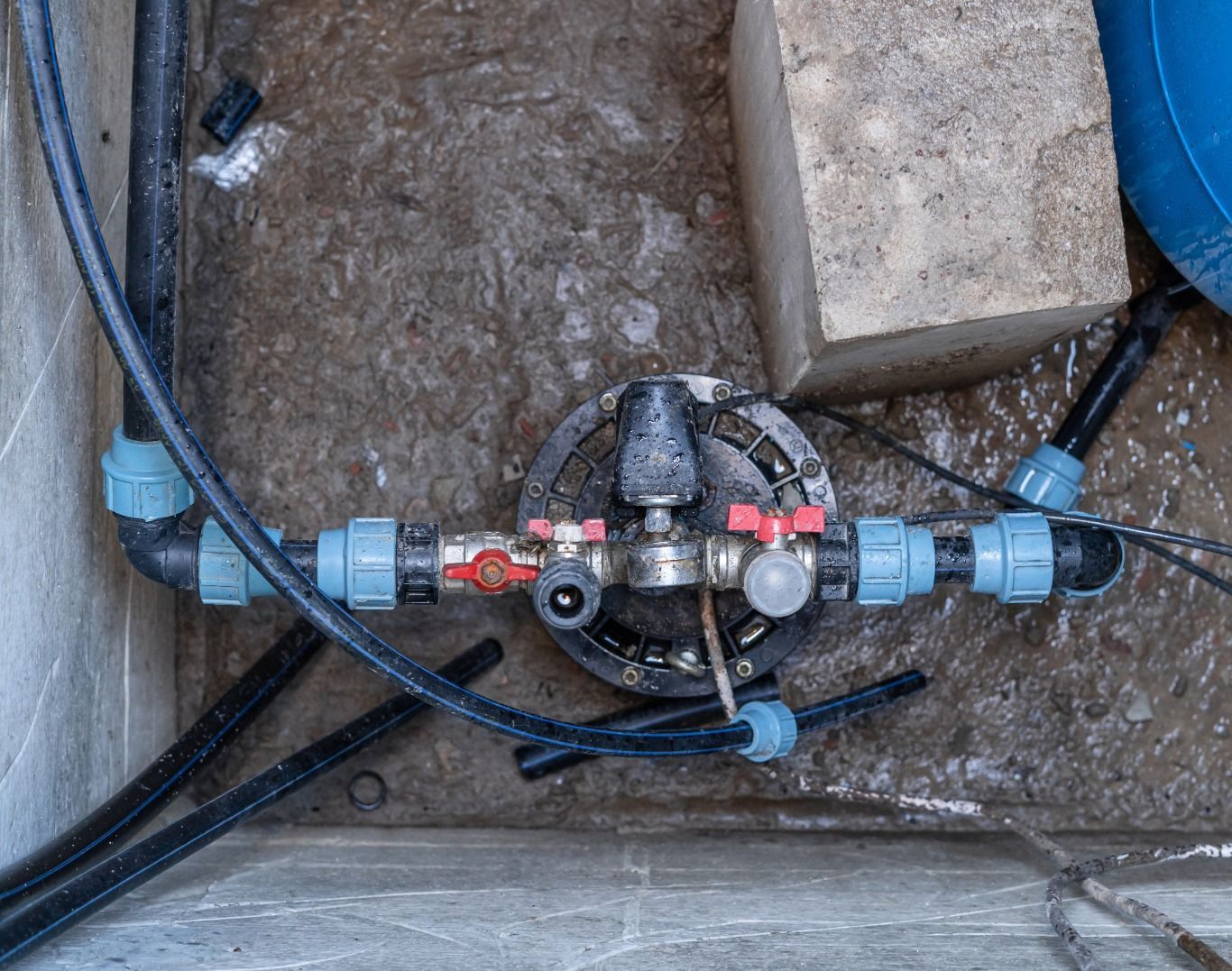
Why Continuous Running is Harmful
Pump motors generate heat during operation. They’re designed to cool during off periods. Continuous running prevents this cooling, causing motors to overheat and fail.
The impeller and seals wear rapidly under constant use. Parts designed for intermittent duty deteriorate quickly when forced to run non-stop.
Electricity costs soar with continuous operation. A pump running 24 hours daily uses far more power than one cycling normally for a few hours.
Common Causes of Continuous Running
Several problems cause pumps to run without stopping:
A stuck float switch won’t release to turn the pump off. The switch might be tangled in its cable, jammed against the pit wall, or mechanically failed.
The sump pump is undersized for the water inflow. If water enters faster than the pump can remove it, the system never catches up. The float stays elevated and the pump runs constantly trying to keep pace.
A faulty check valve allows water to flow back into the sump. The pump drains the pit, shuts off, then refills as water returns through the failed valve. The cycle repeats endlessly.
Discharge pipe blockages restrict water flow. The pump runs but can’t move enough water to lower the sump level significantly.
An exceptionally high water table during wet periods creates constant inflow. Groundwater seeps in as fast as it’s pumped out.
What to Do
If your drain pump won’t stop running, take action quickly:
Check the float switch first. Make sure it moves freely and isn’t caught on anything. Test if manually lowering the float stops the pump.
Inspect the discharge pipe. Look for kinks, blockages, or frozen sections in cold weather. Verify water is actually flowing out the end.
During extreme weather or flooding, continuous running might be unavoidable short-term. However, the pump will fail eventually. Consider adding a backup pump or upgrading to a larger capacity system.
Call the water pump professionals if you can’t identify the problem quickly. Pumps running continuously will burn out, leaving you without protection when you need it most.
Preventing Problems
Regular Professional Servicing
Regular maintenance prevents most drainage pump issues. Sump pumps benefit from professional servicing every 6-12 months to keep systems running reliably.
Annual Sump Pit Cleaning
Clean the sump pit annually to handle excess water efficiently. Remove accumulated sediment and debris before it reaches the pump.
Pre-Season Testing
Test your pump before wet seasons to ensure proper drainage. Run it through several cycles to verify proper operation. Better to find problems during dry weather than during a storm.
Install Protective Screens
Install screens or filters at drainage entry points. These catch leaves and debris before they enter the sump pit.
Backup Pump Installation
Consider a backup sump pump for critical applications. Basements prone to flooding benefit from redundant systems. If the primary pump fails, the backup takes over.
Takeaway
Knowing how your drainage pump operates gives you confidence to handle basic checks, but complex repairs and installations require expert hands.
At Sydney Central Pumps, we specialise in submersible pumps and pumped drainage systems for stratas and commercial properties. If you have questions about how does a drainage pump work in your specific situation, our team can help. We handle everything from helping you select the right pump for your needs to ongoing maintenance and emergency repairs.
We work with all major pump brands and stock comprehensive spare parts. Our technicians respond quickly to drainage emergencies, and we offer scheduled maintenance programs to keep your system working when you need it.
Don’t wait for water damage to happen. Contact us today to discuss your drain pump needs or schedule a system check.
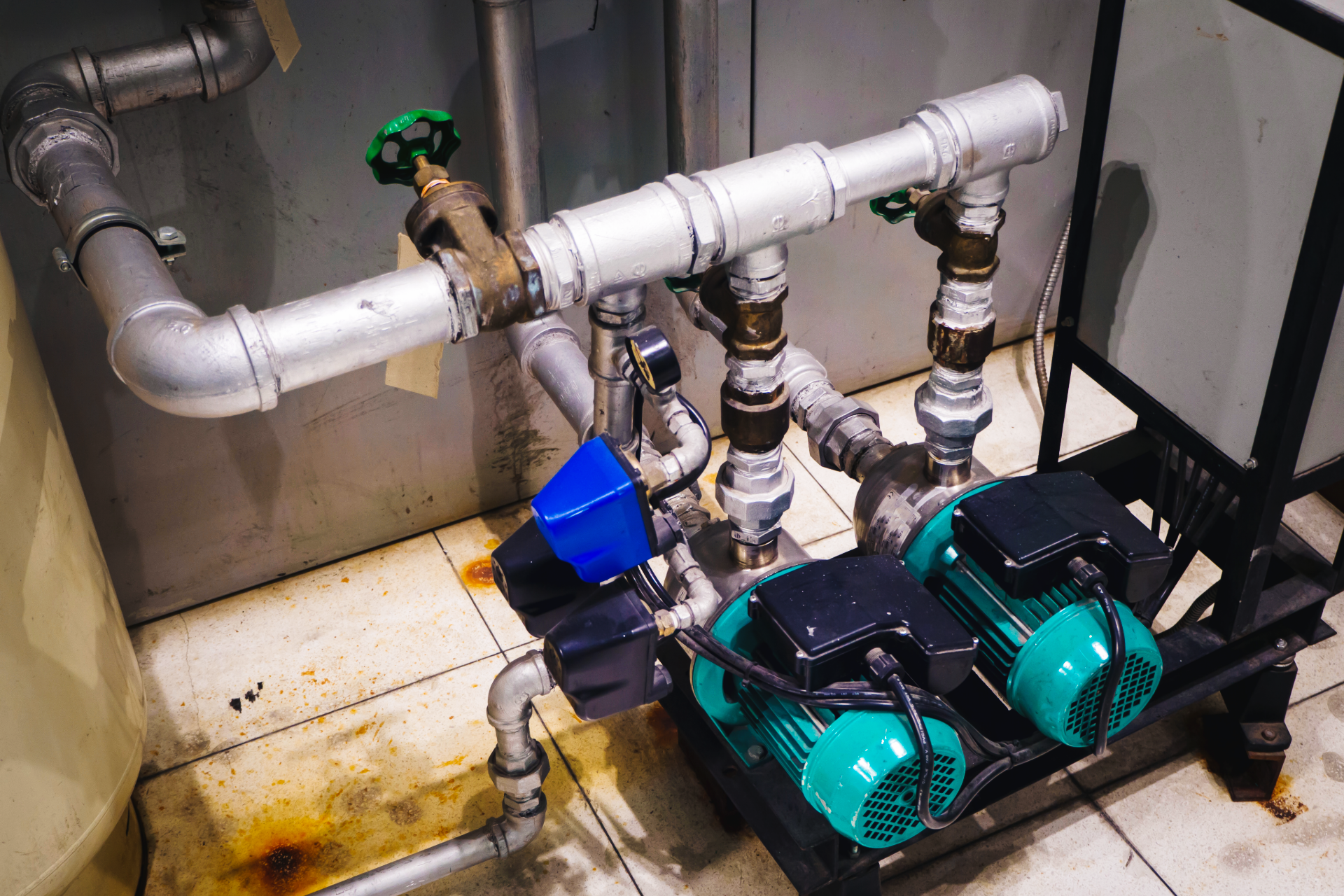
There's no single best water pump. It depends on the building. SC Pumps covers the key types, brands and sizing factors for Sydney strata and commercial sites.
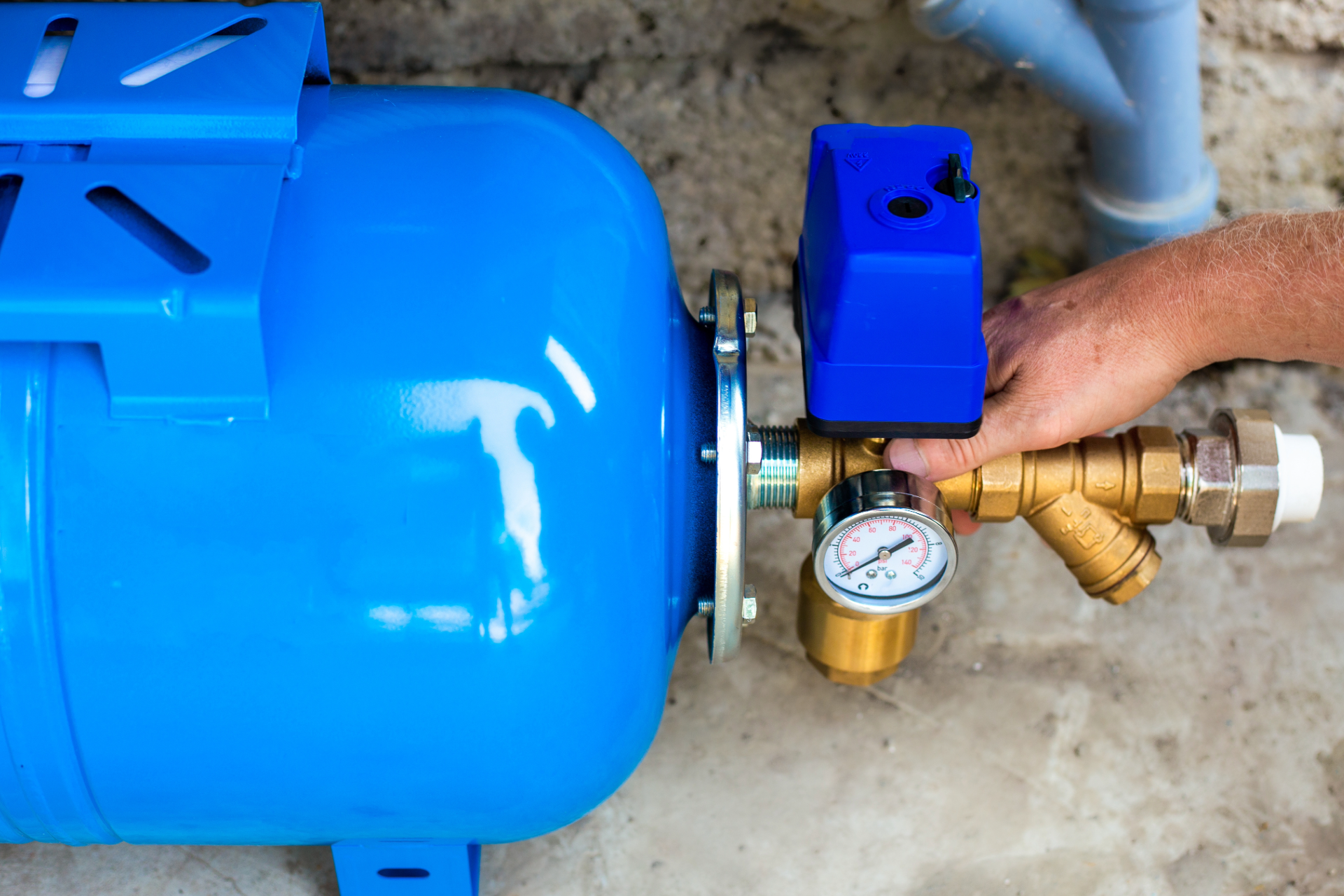
Booster, submersible, circulation, stormwater — different pumps do very different jobs. SC Pumps breaks down the functions & how to match the right type to the job.
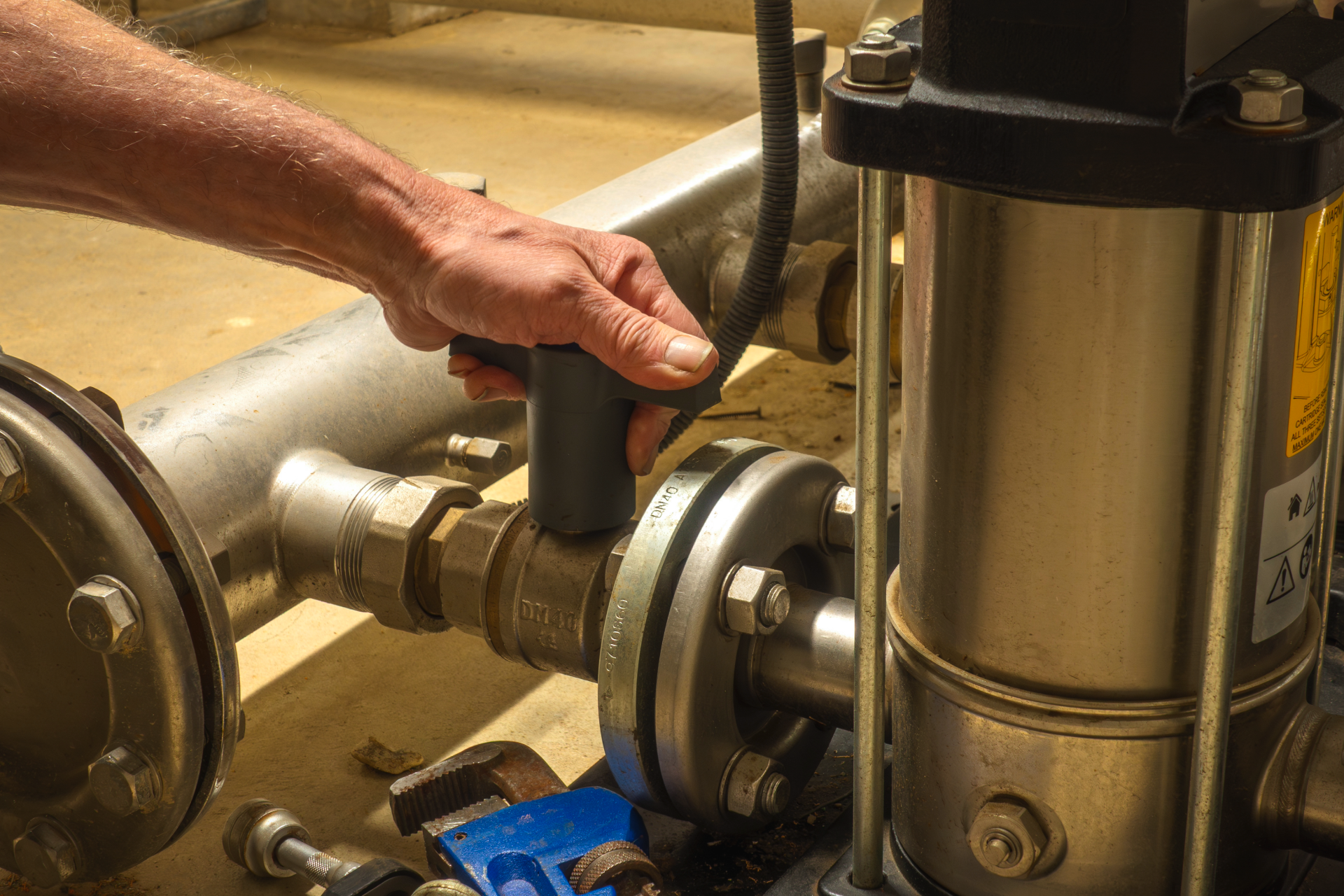
Ground floor gets great pressure. Level fourteen doesn't. SC Pumps explains how to size, back up and maintain water supply pumps that hold up on every floor.