
How Does a Stormwater Pump Station Work?
Sydney Central Pumps • November 20, 2026
A stormwater pump station collects rainwater that can't drain away by gravity and pumps it up to the street drainage system. You'll find them under most basement car parks in Sydney, quietly doing their job until a big storm puts them to the test.
Here's how one works, step by step.
1. Water Collects in the Pit
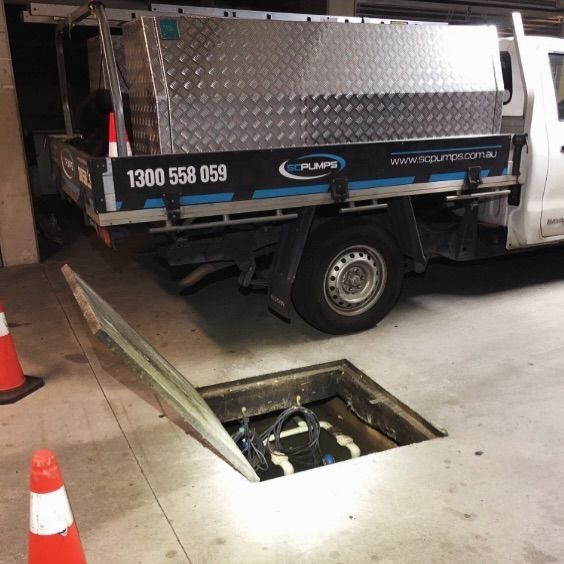
Rain runs down the driveway ramp, through grates and drains, and into a collection pit below the basement. Groundwater seepage often ends up there too. Many sites also have a larger holding tank or storage area, so the station can cope with a sudden downpour without overflowing.
2. Level Sensors Switch the Pumps On
Float switches or level sensors sit inside the pit. As the water rises, they tell the pumps when to start and stop. A separate high-level float sits above the normal operating range and triggers an alarm if the water gets too high.
3. Submersible Pumps Push the Water Out
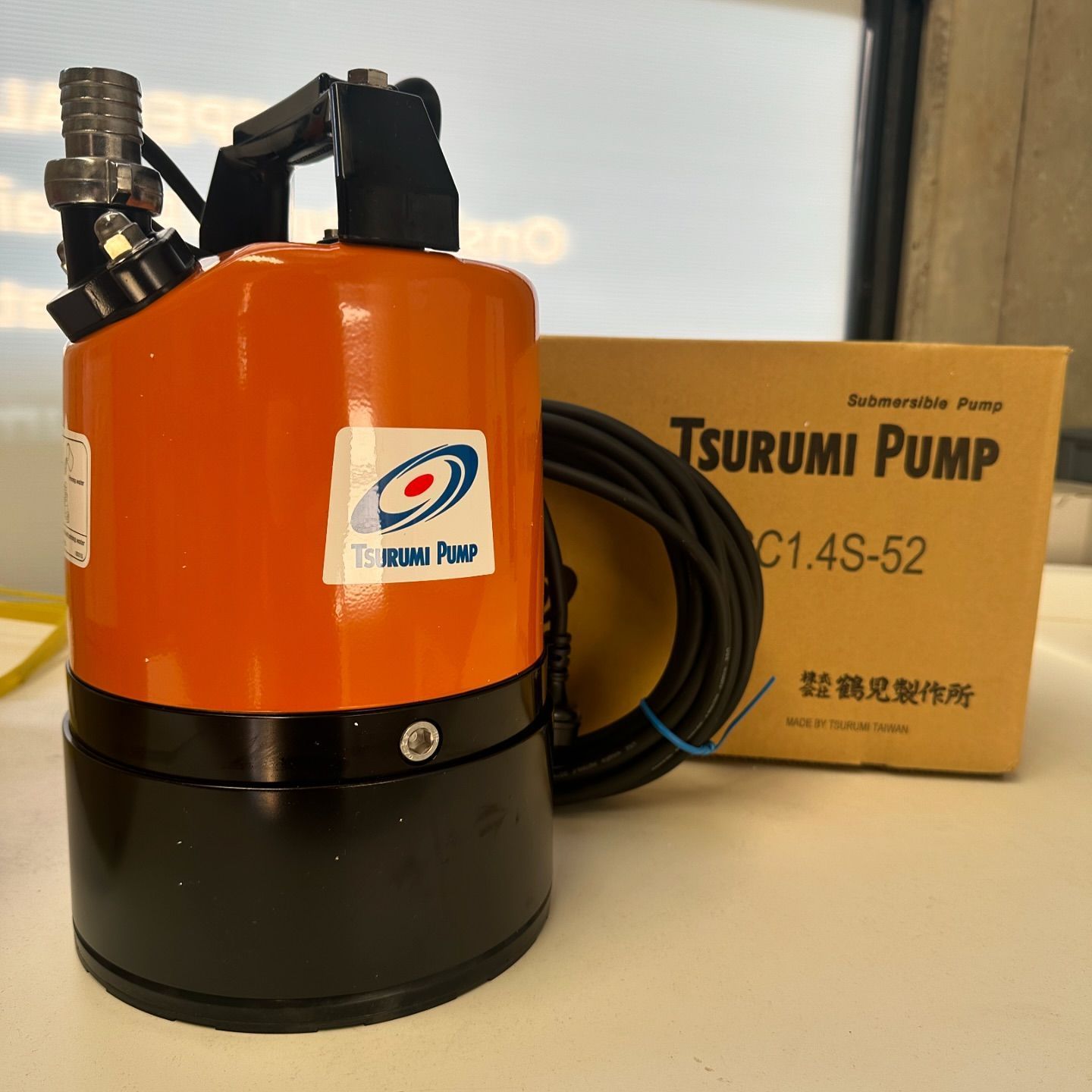
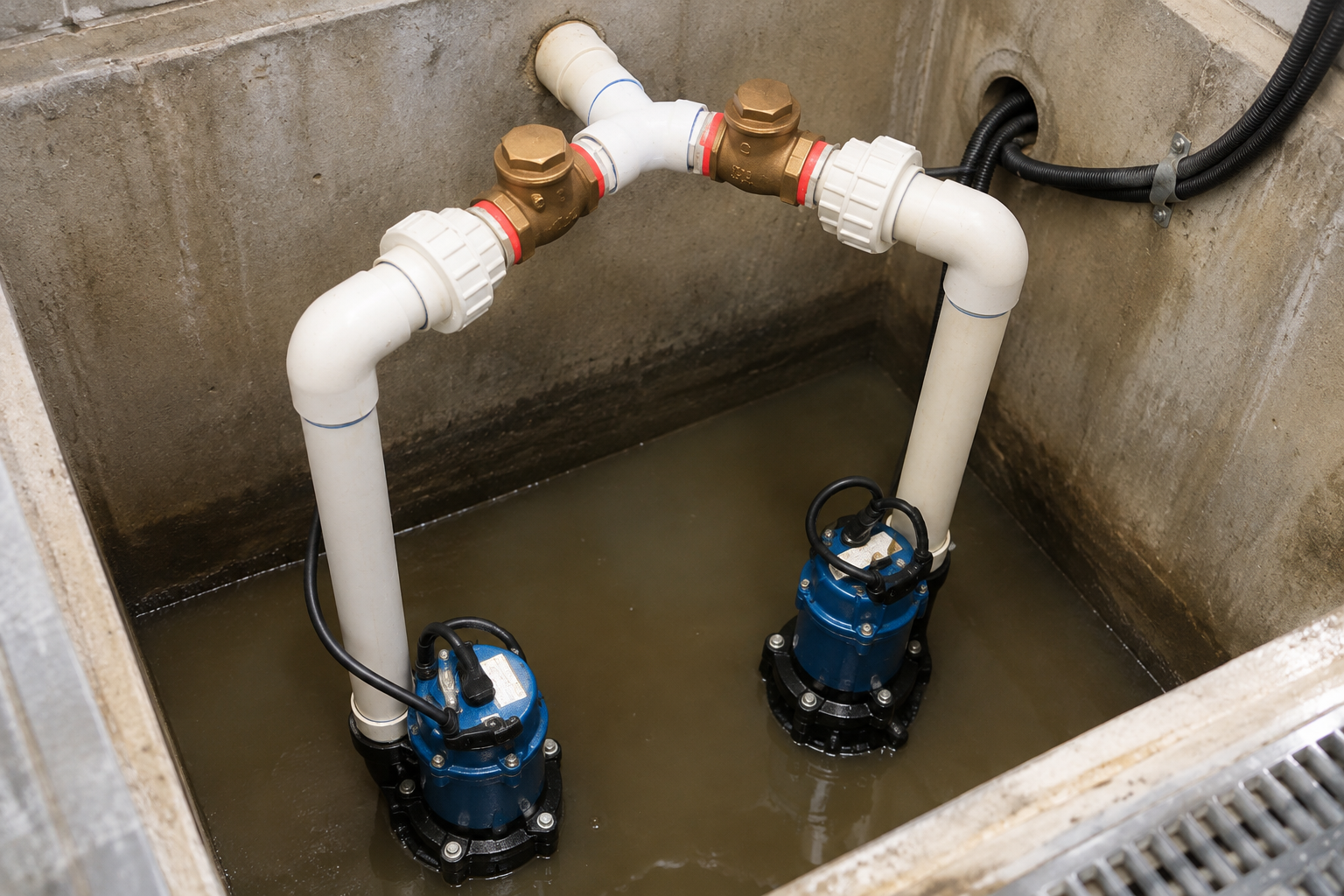
The pumps sit at the bottom of the pit, fully submerged. Once switched on, they push the water up through a rising main to a discharge point at ground level, usually a stormwater pit or the council drainage system. A non-return valve on each pump stops water flowing back into the pit when they switch off.
4. Duty and Standby Pumps Share the Load
Most commercial stations have two pumps. One runs as the duty pump, while the other sits on standby in case the first fails. The control panel alternates them each cycle so they wear evenly. In a heavy storm, many systems run both pumps together to keep up with the inflow.
5. The Control Panel Runs the Show
The pump control panel manages power to the pumps, switches between them, protects the motors from overload, and raises the alarm when something goes wrong. Some panels also send alerts to building managers by text or through a monitoring system.
6. Guide Rails Make Servicing Easier
In well-designed pits, each pump sits on a guide rail system. Technicians can lift the pumps out for inspection without anyone entering the pit, which is safer and quicker than a confined space entry.
What Happens When a Station Fails?
If a pump station stops working during heavy rain, the pit fills, water backs up into the basement, and cars, storage cages, lifts and plant rooms are put at risk. Most failures trace back to blocked pumps, stuck floats, worn seals or a fault in the control panel, which is why regular servicing matters.
Keep Your Pump Station Storm-Ready
If you manage a building with a basement pump-out system, we can check the pumps, floats, alarms and panel, and tell you straight what needs attention before the next big storm. Find out more about our stormwater pump services, or request a quote.
Need to choose a pump for stormwater drainage? Peak inflow, head, debris, duty and standby setup and power supply all decide whether it copes in a heavy storm.
The difference between clean and dirty water pump designs comes down to solids. Learn how each works, where each belongs and how to pick one for your site.
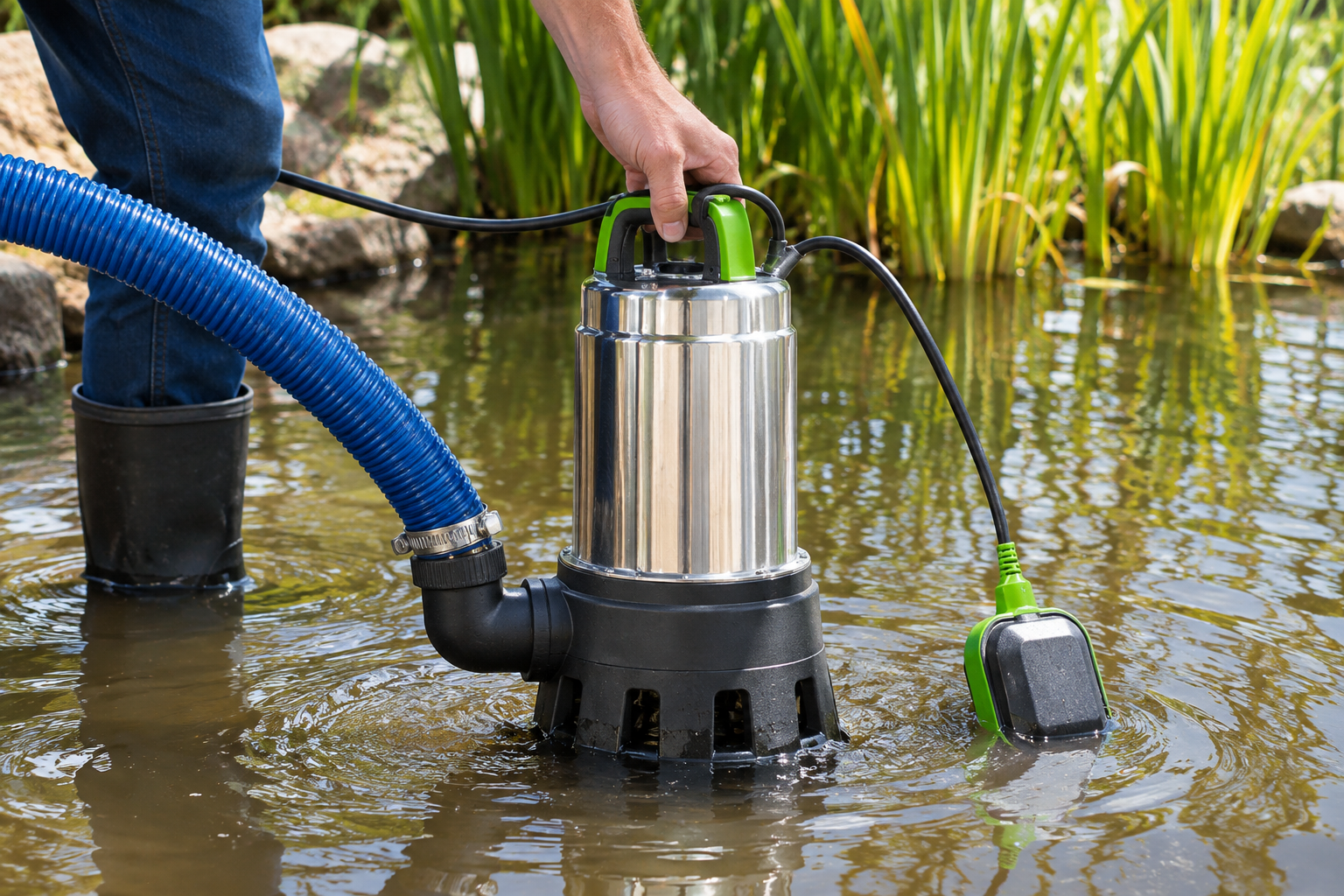
What does a submersible pump do in a strata or commercial building? Find out how it works, what's inside, where it's used and how to keep it running reliably.