
Do Water Pumps Need Servicing? A Guide for Strata Managers and Businesses
Sydney Central Pumps • December 4, 2025
Water pumps are often treated as “set and forget” equipment, yet they play an absolutely crucial role in keeping water flowing where and when you need it. Whether your pump manages rainwater, irrigation, stormwater, pools, basements or commercial systems, regular servicing keeps everything running smoothly and reduces the risk of costly breakdowns.
This guide answers the most common questions about pump maintenance, including how often a pump should be serviced, what a service involves, and how much it may set you back in Australia.
Do I Need to Service My Water Pump System?
Yes. All pumps benefit from routine servicing, particularly those that run frequently or protect your property from water damage. A well-maintained water pump system is far more reliable and supports proper water flow throughout your home or building.
Because water pumps contain moving parts, seals, bearings and electrical components, they naturally wear over time. Servicing helps prevent unexpected failures, maintains performance and extends the lifespan of the system.
You should consider booking a service if:
- Your pump runs daily or starts automatically, for example, pressure pumps or basement pumps.
- You hear unusual noises, rattling or grinding.
- The pump is cycling on and off more than usual.
- Water pressure or flow seems weaker, including any signs of reduced water pressure throughout your building.
- You notice leaks, rust or a burning smell.
- Your electricity bill has increased unexpectedly.
Regular maintenance is far more cost-effective than paying for emergency repairs or replacing a pump due to preventable damage.
How Often Should a Water Pump Be Serviced?
The right service interval depends on the type of water pump, how often it runs and the environment it operates in. A regularly inspection helps identify early signs of wear and keeps the system operating reliably. Service timing can also vary depending on manufacturer’s guidelines, as each system is built differently. But as a general guide:
Domestic and Light Commercial Pumps
- Quick visual check every 3 to 6 months.
- Full service once every 12 months.
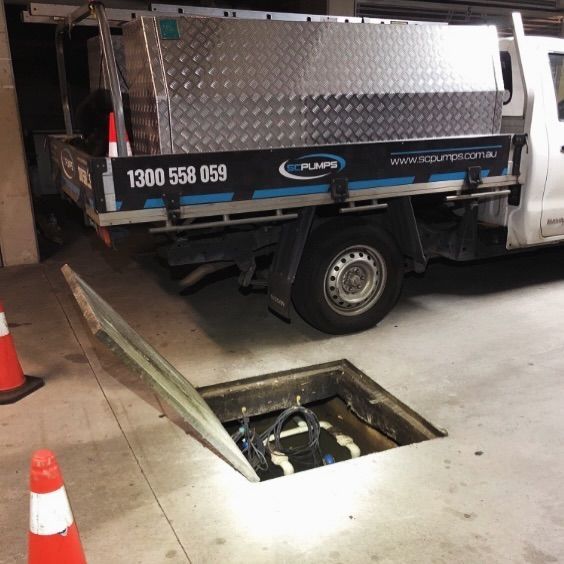
Strata, Building, Stormwater and Sewer Pumps
- Inspections quarterly or half-yearly.
- Annual comprehensive service with reporting and part replacement if required.
Industrial and Heavy-Use Pumps
- In-house daily or weekly checks.
- Professional quarterly inspections and yearly full servicing.
Pumps used for dirty water, sewer systems or sandy environments may require more frequent attention due to increased wear. Units installed outdoors or exposed to direct sunlight may also experience faster deterioration of seals, wiring or casings, which can influence servicing needs.
Water Pump Maintenance Checklist: What’s Included in a Service
When people search for a water pump maintenance checklist, they usually want to understand what happens during a professional service and what a technician looks for. A routine visit covers a mix of visual checks, electrical testing, mechanical assessment and performance review. This helps keep the pump operating at maximum efficiency, supports long-term reliability and can significantly reduce the chance of unexpected breakdowns.
Below is a clear breakdown of what’s typically included in a
water pump maintenance appointment.
1. Visual and Functional Inspection
- Checking for leaks, corrosion, cracks and loose fittings.
- Testing start-up behaviour and listening for unusual noise.
- Confirming the pump shuts off and cycles correctly.
2. Electrical Checks
- Inspecting wiring, switches and connections.
- Checking for overheating or electrical faults.
- Testing safety controls such as float switches and overload protection.
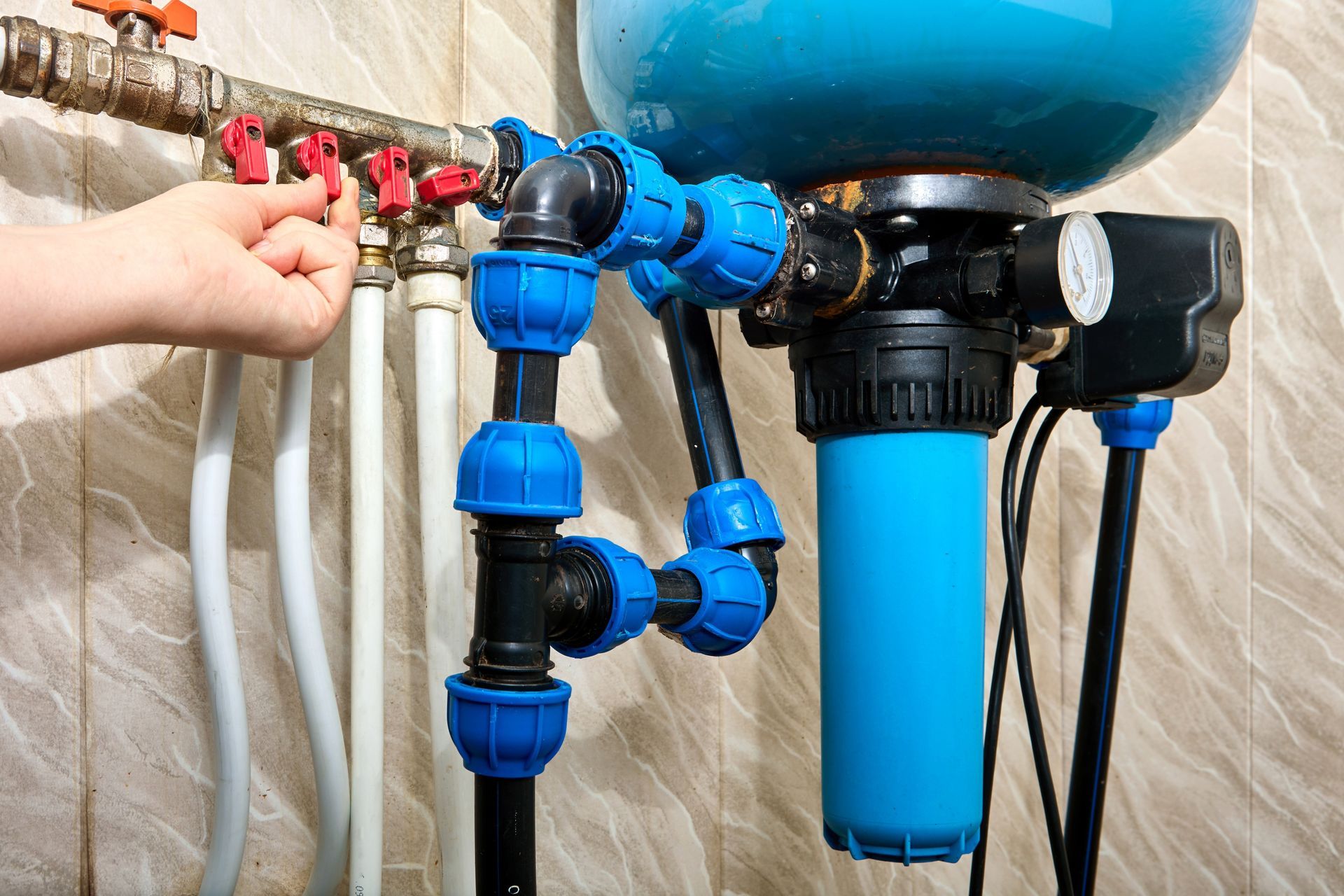
3. Mechanical Checks
- Inspecting seals, bearings and gaskets, including lubricating bearings where applicable.
- Checking for worn or damaged impellers.
- Assessing shaft alignment and overall mechanical integrity.
4. Cleaning and Filter Servicing
- Clearing blocked strainers and cleaning filters to restore proper flow.
- Removing sludge, sediment or debris in pits or sumps.
- Flushing areas prone to build-up and checking exposed lines or housings to help prevent freezing in cold conditions.
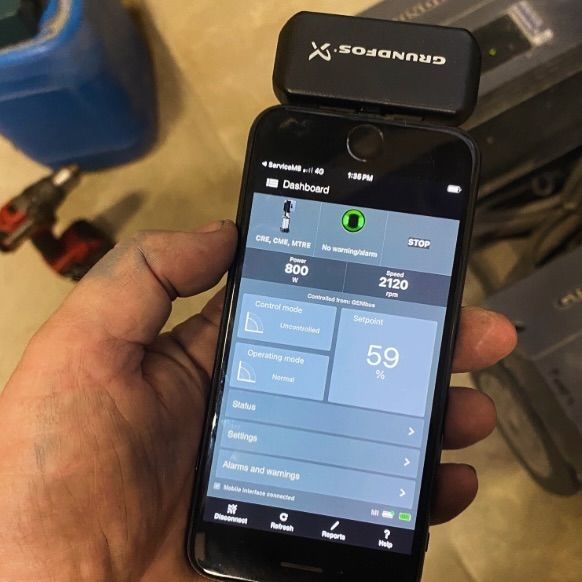
5. Performance Testing
- Checking water pressure and flow rate.
- Comparing performance against previous readings.
- Identifying efficiency issues.
6. Preventative Repairs and Adjustments
- Replacing worn seals or small parts.
- Adjusting pressure settings or float levels.
- Recommending upgrades if the pump is nearing end of life.
A thorough service also includes a written report detailing findings, maintenance completed and any recommended repairs.
How Much Does It Cost to Service a Water Pump?
The cost of servicing a water pump is influenced by several factors, including the pump’s condition, its workload, the layout of the site and whether any worn components need attention. Every system has its own quirks, and the time required to bring it back to peak performance can vary widely.
Domestic pumps may only need a straightforward check and clean, while commercial or strata systems often involve more detailed assessment, testing and reporting. Industrial setups can be more involved again, especially when pumps operate under heavy loads or manage debris-prone environments. For many businesses, these pumps are maintained under an ongoing program that keeps everything running smoothly throughout the year.
What remains consistent is that regular maintenance is far more economical than dealing with a breakdown or a premature replacement. A neglected pump can deteriorate quickly, which often leads to far greater expense than a planned service.
Simple Signs Your Water Pump Needs Servicing
- Low water pressure or weak flow that makes it hard to maintain proper performance.
- The pump running constantly or switching rapidly, including situations where a fire pump cycles when it should be steady.
- Odd noises such as grinding or rattling.
- Breakers tripping or a burnt smell near the unit.
- Visible leaks or damp patches forming around the pump.
- A noticeable rise in energy use, which can affect both domestic systems and larger setups like irrigation systems.
These signs usually indicate that it is time to have your pump serviced. Acting on the issues early often prevents a minor fault from developing into a full pump system failure.
Final Thoughts: Does Your Water Pump Really Need Servicing?
Yes. Regular servicing is a key part of proper maintenance, keeping your water pump running at its best and supporting a reliable water supply. When a pump is looked after routinely, it operates more smoothly, protects the system from avoidable damage and maintains the pump's efficiency over time. Much like any mechanical equipment, a pump performs better and lasts longer when it receives consistent care.
Need Water Pump Maintenance in Sydney?
If your water pump needs attention or you want reliable maintenance schedules in place, Sydney Central Pumps can help. We look after a wide range of systems, including booster pumps, submersible pumps, sump pumps, sewage pumps, pressure vessels, control panels, motors and fans, with dedicated Davey pump servicing Sydney property managers trust and rely on for their buildings. Our goal is to keep every pump running smoothly, support long-term reliability and ensure optimal performance across domestic, commercial and strata properties.
Whether the issue involves weak flow, electrical faults, worn parts or ongoing system care, our team provides thorough servicing, clear reporting and expert advice that helps prevent costly repairs down the track.
If you’d like, let us know what type of pump you have and we can help you work out the most suitable service approach.
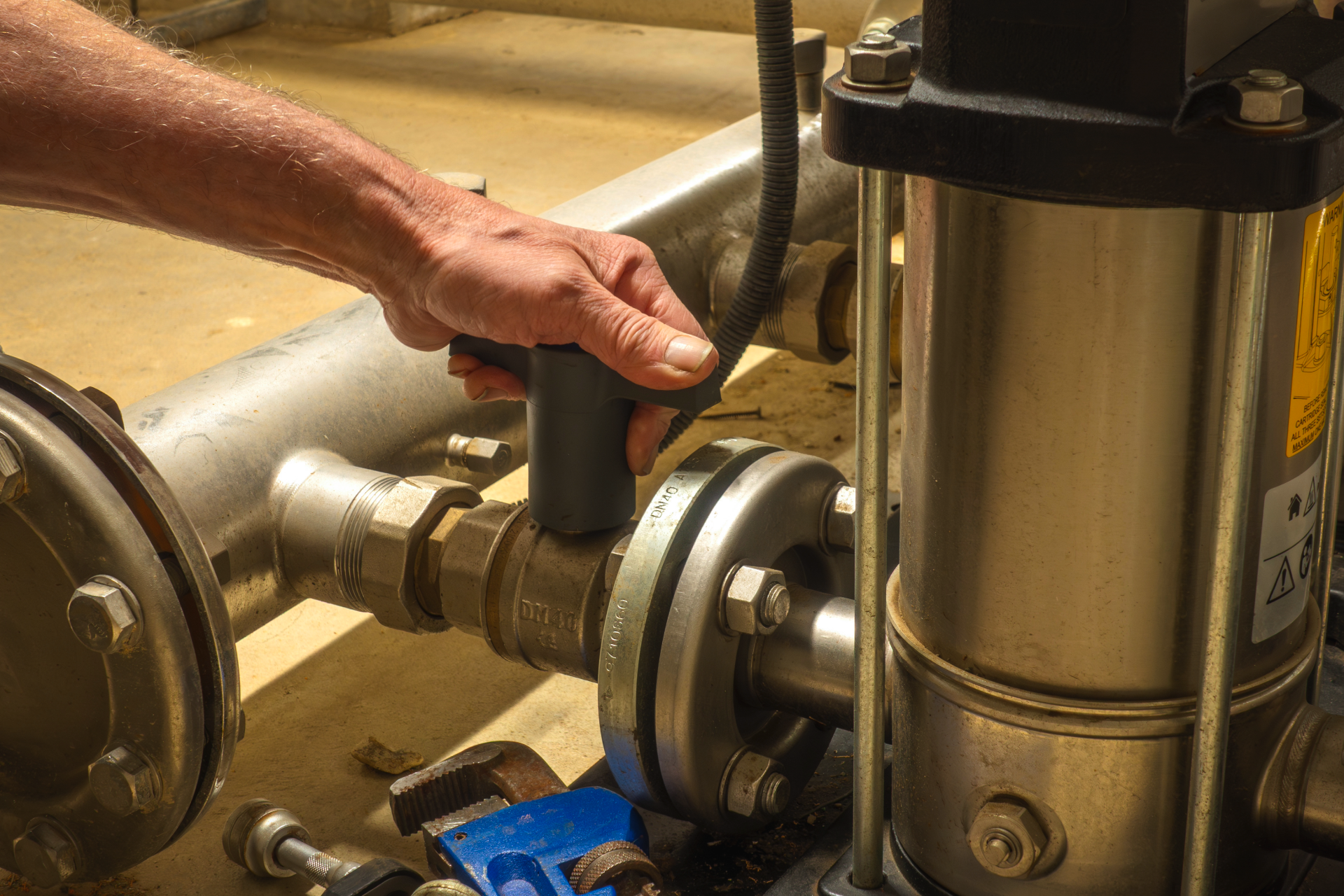
Ground floor gets great pressure. Level fourteen doesn't. SC Pumps explains how to size, back up and maintain water supply pumps that hold up on every floor.

Davey pump losing pressure, cycling constantly or humming without starting? SC Pumps breaks down the most common causes and when to call a technician in Sydney.
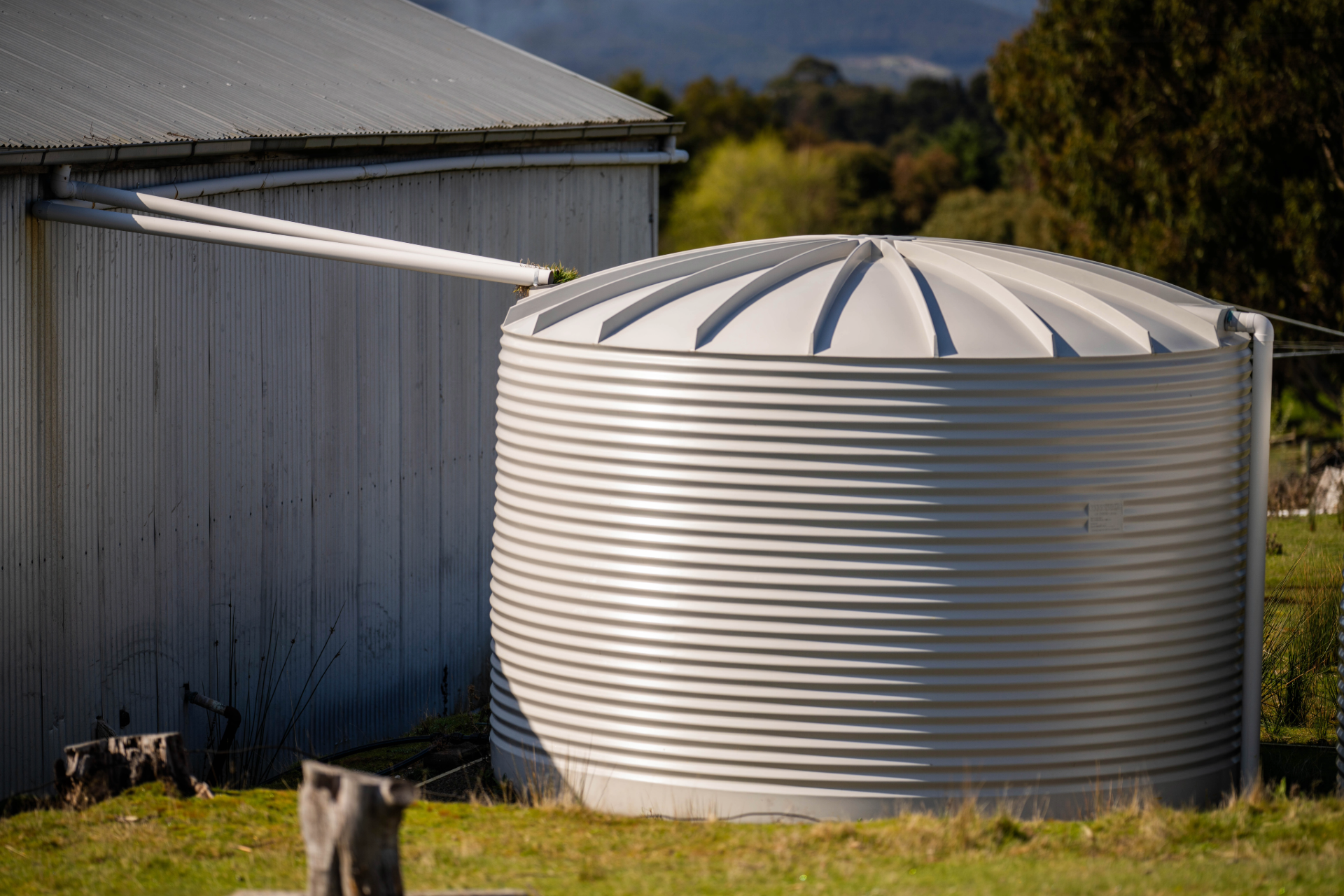
Choosing the wrong pump for your rainwater tank setup leads to short cycling, poor pressure and early failure. SC Pumps covers what to consider before you install.